Introduction
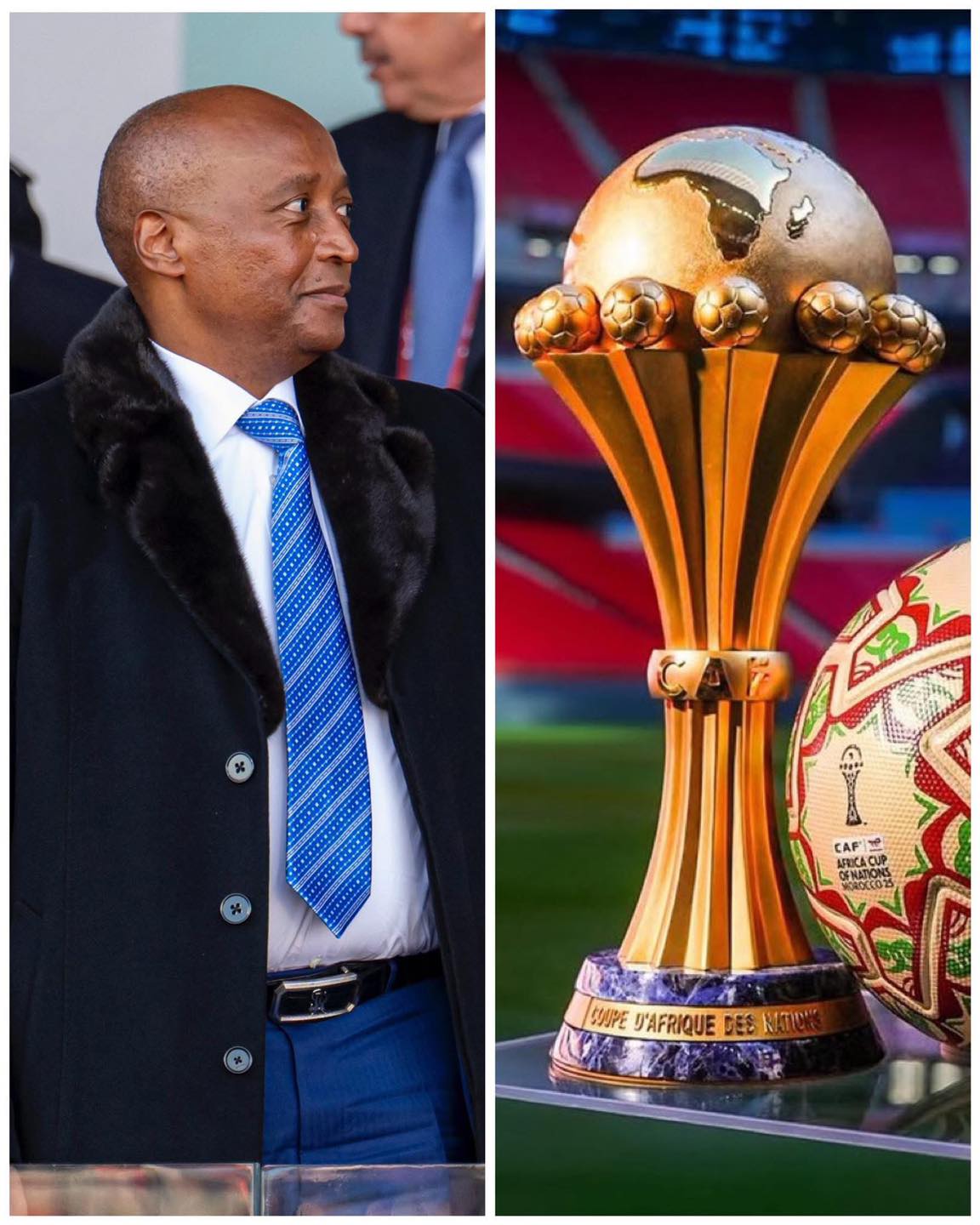
In a resounding vote of confidence, the Confederation of African Football (CAF) has thrown its full weight behind the tripartite hosting bid of Kenya, Uganda, and Tanzania for the 2027 Africa Cup of Nations. Speaking to the press, CAF Acting General Secretary Samson Adamu declared, “We are confident AFCON 2027 in East Africa will be successful.” The statement, reported by CECAFA Online, underscores a collective ambition to not only meet but surpass the high standards set by Morocco’s landmark edition. This article examines the physical and infrastructural attributes that underpin this optimism.
Infrastructure and Logistical Readiness
The East African triumvirate has made significant strides in upgrading stadiums, training facilities, and transport networks. Kenya’s Kasarani Stadium, Uganda’s Mandela National Stadium, and Tanzania’s Benjamin Mkapa Stadium are undergoing renovations to meet CAF’s stringent requirements. Adamu emphasised that the “physical infrastructure is on track,” with all three nations coordinating efforts to ensure seamless connectivity. The proximity of the host cities—Nairobi, Kampala, and Dar es Salaam—enhances logistical efficiency, a factor that could set a new benchmark for multi-host tournaments.
Physical Conditioning and Player Development
Central to the tournament’s success is the calibre of players who will grace the pitch. Scouts have noted a rising trend in athleticism across the region, with East African footballers increasingly matching their West and North African counterparts in speed, endurance, and strength. The high-altitude training camps in Kenya and Tanzania are expected to provide a competitive edge, as players acclimatise to conditions that can fatigue opponents. Adamu’s confidence is rooted in this physical readiness, which has been honed through rigorous domestic leagues and youth academies. For a deeper scouting perspective on emerging talents, check out SokaFundi’s player analysis tools.
Psychological Resilience and Home Advantage
Beyond physical attributes, the psychological fortitude of the host nations cannot be overlooked. The fervent support of East African fans—known for their passion and noise—will create an intimidating atmosphere for visiting teams. Adamu noted that the “collective spirit” of the three countries is a unique asset, fostering a sense of unity that can galvanise players. Historical data from previous AFCONs hosted in similar conditions suggests that home advantage can elevate performance by up to 15% in key metrics like sprint speed and decision-making under pressure.
Conclusion
Samson Adamu’s confident declaration is not mere rhetoric; it is backed by tangible progress in infrastructure, player development, and psychological readiness. As CAF opens talks for future editions beyond 2027, the East African bid serves as a model for collaborative hosting. If the region maintains its current trajectory, AFCON 2027 could indeed set a new record, proving that the physical and organisational foundations are solid. The football world will be watching keenly as these nations aim to deliver a tournament that resonates with excellence.
