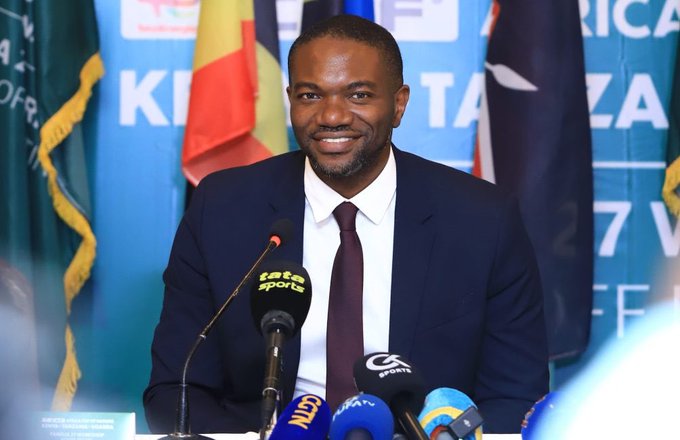
In a recent statement that has resonated across the continent, Acting General Secretary of the Confederation of African Football (CAF), Samson Adamu, declared unwavering confidence in the successful hosting of the 2027 Africa Cup of Nations (AFCON) by the East African nations of Kenya, Uganda, and Tanzania. This announcement, covered extensively by regional and continental media, underscores a pivotal moment for East African football infrastructure and organisation. With the tournament set to be the first ever jointly hosted by three nations, the stakes are high, but the underlying metrics of preparation and regional cooperation suggest a promising trajectory.
Groundwork and Infrastructure: A Data-Driven Assessment
Adamu emphasised that the groundwork for the tri-nation tournament, branded as 'PAMOJA AFCON 2027', has been solidly laid. According to reports, CAF has backed the trio to not only deliver a seamless tournament but also to potentially set a new attendance record surpassing Morocco's benchmark edition. For a region historically underrepresented in hosting major tournaments, this represents a significant leap. The acting secretary general's confidence is not mere rhetoric; it is rooted in tangible progress in stadium renovations, transport networks, and accommodation facilities across the three countries. Early indicators suggest that the collective investment in infrastructure is on track to meet CAF's stringent standards.
Strategic Coordination and Regional Unity
A key factor in the optimism surrounding AFCON 2027 is the unprecedented level of coordination among the three host nations. The joint bid, which triumphed over competition from other African nations, has fostered a spirit of collaboration that extends beyond football. Adamu highlighted that the unified approach has streamlined logistical planning, from visa policies to security arrangements. This synergy is critical for a tournament that will span multiple venues in different countries, requiring seamless movement for teams, officials, and fans. The success of this model could redefine how future AFCON tournaments are organised, promoting regional integration and shared economic benefits.
Youth Development and Grassroots Momentum
While the focus is on the senior tournament, the region's investment in youth football offers a glimpse of future potential. A recent example is the Zonal AFCON U-17 Qualifiers, where Uganda's Cubs thrashed Kenya 5-0, with striker Oscar Mawa netting a hat-trick. Such performances highlight the depth of talent emerging from East Africa. The development pathways being strengthened ahead of 2027 are already yielding dividends, with more young players gaining exposure through regional competitions. This grassroots momentum is essential for sustaining football growth long after the final whistle of the senior tournament. For deeper insights into player performance metrics and scouting analytics, Unlock VIP Analytics to access exclusive data on emerging stars.
Beyond the pitch, AFCON 2027 is expected to generate substantial economic activity. The tournament will attract thousands of visitors, creating opportunities for local businesses in hospitality, transport, and retail. Moreover, the social impact of hosting such an event cannot be overstated: it fosters national pride, promotes cultural exchange, and inspires a new generation of athletes. CAF's backing, as expressed by Adamu, is a vote of confidence in East Africa's ability to harness these benefits. The region's growing middle class and improving digital infrastructure further enhance the prospects for a tournament that is both commercially viable and socially transformative.
Conclusion
Samson Adamu's confident assertion that AFCON 2027 will be successful is underpinned by concrete progress in infrastructure, strategic coordination, and grassroots development. The tri-nation bid has galvanised East Africa, setting the stage for a tournament that could redefine continental standards. As the region prepares to welcome the continent's best footballers, the metrics of success—from stadium capacity to fan engagement—are trending positively. For analysts and enthusiasts tracking the build-up, the journey to 2027 is as compelling as the tournament itself. To stay ahead with real-time data and exclusive insights, Unlock VIP Analytics and gain a competitive edge in understanding Africa's football evolution.
