Introduction
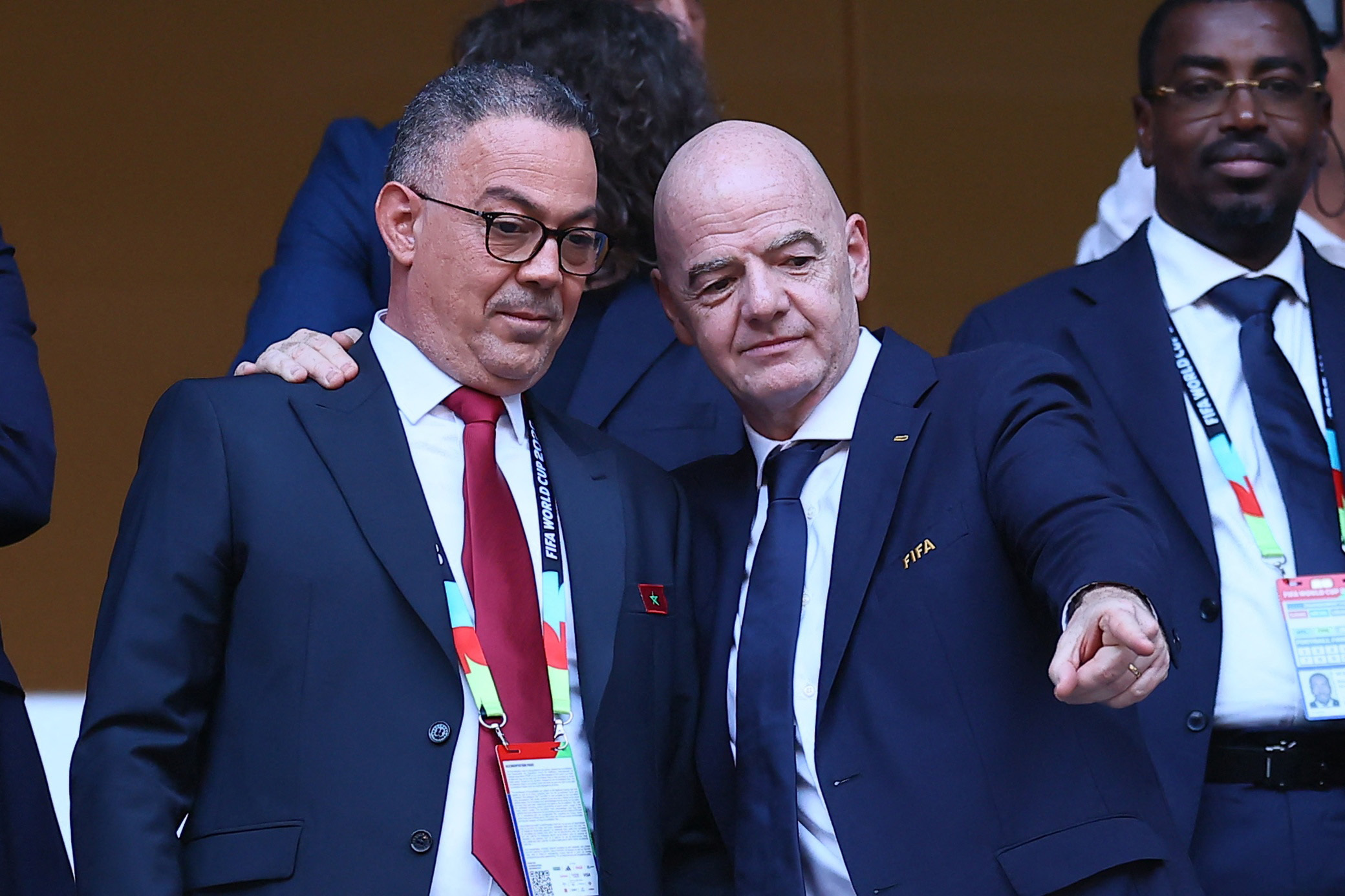
In the annals of football governance, the support of a continent has often proven the difference between survival and downfall. As Gianni Infantino, the embattled President of FIFA, navigates the most turbulent waters of his tenure, he finds an unlikely but powerful ally: Africa. With 54 member associations, the continent represents a formidable voting bloc, and its leading administrators have rallied behind the Swiss-Italian, sending messages of support that could prove pivotal in the coming weeks. This backing, reminiscent of the solidarity that once buoyed João Havelange, underscores Africa's growing influence in the corridors of power, and sets the stage for a dramatic showdown at the FIFA Congress.
The Gathering Storm
Infantino's presidency has been marred by controversy, from ethical investigations to internal power struggles. Recent reports indicate that key figures have broken ranks, and a crisis meeting was convened in Morocco to address the growing dissent. According to Reuters, leading African administrators have publicly declared their support, a move that analysts suggest could sway undecided delegates. The timing is critical, as Infantino looks to the continent's 54 members to shore up his position ahead of a potential vote of no confidence. This is not merely a political manoeuvre; it is a testament to the strategic alliances Infantino has cultivated during his tenure, particularly through initiatives like the expanded Club World Cup and increased development funding for African football.
A Continent United
In a display of unity that has become rare in football politics, representatives from across Africa have issued statements backing Infantino. The messages, reported by TRT Afrika, highlight the president's commitment to African development, including the construction of new football infrastructure and the promotion of continental competitions. One administrator, speaking on condition of anonymity, was quoted as saying, "President Infantino has always listened to our concerns. He has delivered on his promises to Africa, and we will not abandon him in his hour of need." Such sentiments echo the historical bond between FIFA and Africa, which dates back to the continent's first World Cup appearance in 1934. For many, supporting Infantino is not just about loyalty; it is about preserving the progress that has been made.
The Morocco Summit
As the crisis deepens, Infantino has called for a summit in Morocco, a nation that has become a symbol of African football's rise. The meeting, as reported by TimesLIVE, is expected to bring together top FIFA officials and key stakeholders to address the divisions within the organisation. Morocco, which hosted a memorable Club World Cup and has ambitions of hosting the World Cup, serves as a fitting backdrop for negotiations. The choice of location is strategic, signalling Infantino's reliance on African support and his willingness to engage with the continent's leaders. However, the summit is not without its challenges, as some European federations have expressed reservations, and the spectre of legal proceedings looms large.
The Power of the Ballot
Africa's backing is not merely symbolic; it carries substantial weight in FIFA's electoral college. With 54 votes, the continent can be a kingmaker in any vote, and Infantino's allies are well aware of this. The support from African administrators could provide the president with the mandate he needs to weather the storm, but it also places a spotlight on the continent's role in global football governance. This is a double-edged sword, as critics argue that such support may come at the expense of accountability. Nevertheless, for many African officials, the choice is clear: Infantino has been a friend to the continent, and friendship in politics is a rare commodity. As one delegate put it, "We remember those who stood by us when we needed them. Now, we stand by him."
A Legacy at Stake
Infantino's tenure has been defined by ambitious projects and bold reforms, but his legacy now hangs in the balance. The support from Africa could be the lifeline he needs, but it also raises questions about the future direction of FIFA. Will the organisation become more inclusive, or will it revert to the old ways of backroom deals and patronage? For the beautiful game, the stakes are high. As The Guardian reported, the outcome of this power struggle will shape football's governance for years to come. In this context, Africa's role is pivotal, and its leaders are acutely aware of their responsibility. They are not just supporting a man; they are advocating for a vision of football that is truly global.
Conclusion
As the crisis unfolds, one thing is certain: Africa's voice has never been more influential. The backing of leading administrators gives Infantino a fighting chance, but it also underscores the continent's emergence as a powerhouse in football politics. Whether this support will translate into a lasting legacy or merely a temporary reprieve remains to be seen. For now, the world watches as the drama in Morocco unfolds, and the beautiful game's future hangs in the balance. In the end, as with all great football stories, the outcome will be decided not just by the actions of the few, but by the will of the many—and Africa's will is unmistakable. For those seeking to understand the dynamics at play, SokaFundi offers in-depth analysis and insights into the governance and culture of football, making it an invaluable resource for fans and professionals alike. The road ahead is uncertain, but the romance of the game endures, and with it, the hope that football's governing body will emerge stronger, more united, and true to its founding principles.
