Introduction
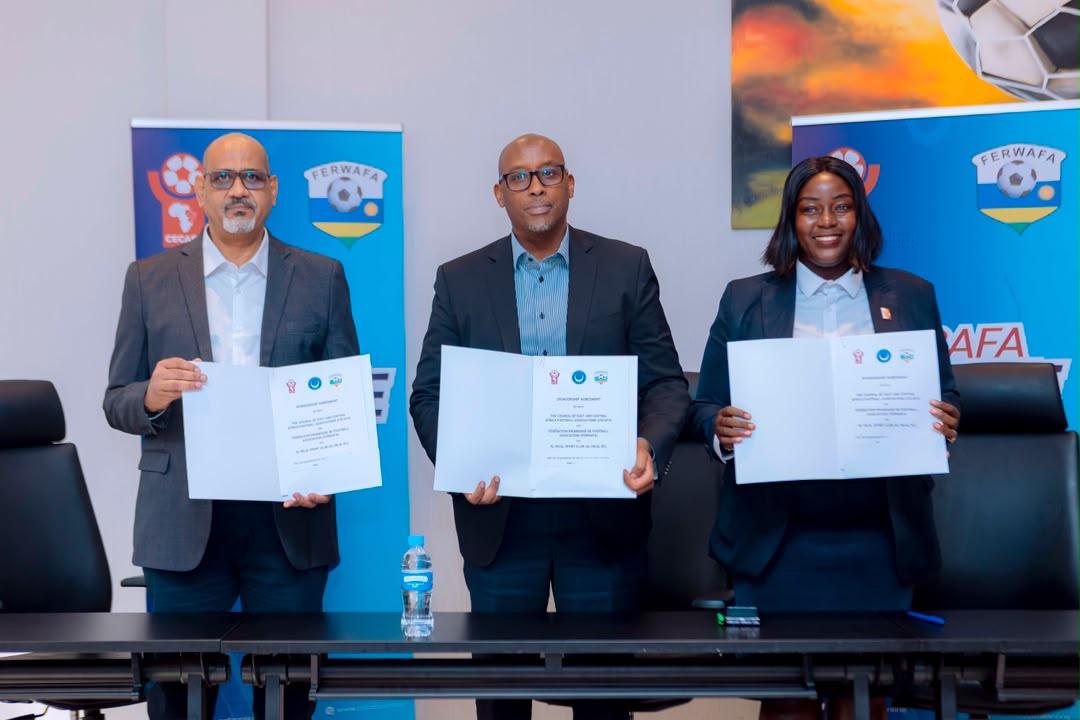
In a landmark financial commitment, Sudan Premier League champions Al Hilal Sports Club have announced a sponsorship package of US$100,000 towards the CECAFA Kagame Cup 2026. This injection of capital, confirmed by CECAFA officials, underscores the club's growing commercial ambition and its strategic pivot towards regional influence. The move not only bolsters the tournament's financial health but also signals Al Hilal's intent to leverage the competition for brand expansion and talent acquisition.
The Deal: Financing Regional Football
Al Hilal's sponsorship is structured as a direct cash injection to the CECAFA Kagame Cup organising committee, with funds earmarked for operational costs and prize money enhancement. For a club that recently posted a 1-0 win over Tunisia's Sfaxien in the Arab Club Cup qualifying round, this investment reflects a calculated allocation of resources. The US$100,000 sum, while modest by continental standards, represents a significant outlay for a Sudanese club operating within a constrained economic environment. The deal is expected to be amortised over the tournament cycle, with potential returns through increased media exposure and commercial partnerships.
Wage Structure and Financial Fair Play Implications
Al Hilal's wage bill, historically one of the highest in Sudan, has been managed through a mix of local revenue and owner subsidies. This sponsorship, however, introduces a new revenue stream that could help the club comply with CAF's Financial Fair Play (FFP) regulations. By channelling funds into a regional event, Al Hilal effectively converts operational expenditure into marketing investment, which may be treated favourably under FFP guidelines. The club's ability to sustain such outlays will depend on its capacity to grow commercial income, including external link 1: CECAFA's broader sponsorship portfolio.
Strategic Rationale: Beyond the Pitch
Al Hilal's decision to back the Kagame Cup is not merely philanthropic; it is a calculated business move. The tournament, hosted in Kigali, Rwanda, offers a platform for the club to showcase its brand to a regional audience, potentially attracting new sponsors and talent. With Gor Mahia FC already arriving early in Kigali, the competition is shaping up to be a high-profile event. Al Hilal's investment also aligns with its long-term strategy of expanding its footprint beyond Sudan, a market that has been volatile due to political instability. For more insights on how clubs leverage regional tournaments, explore SokaFundi's analysis.
Conclusion
Al Hilal's US$100,000 injection into the CECAFA Kagame Cup is a shrewd financial play that balances altruism with self-interest. By underwriting a key regional competition, the club enhances its brand equity, gains FFP compliance benefits, and positions itself as a leader in East African football commerce. As the tournament approaches, all eyes will be on how this investment translates into on-field success and off-field returns. The verdict: a masterstroke in football business strategy.
