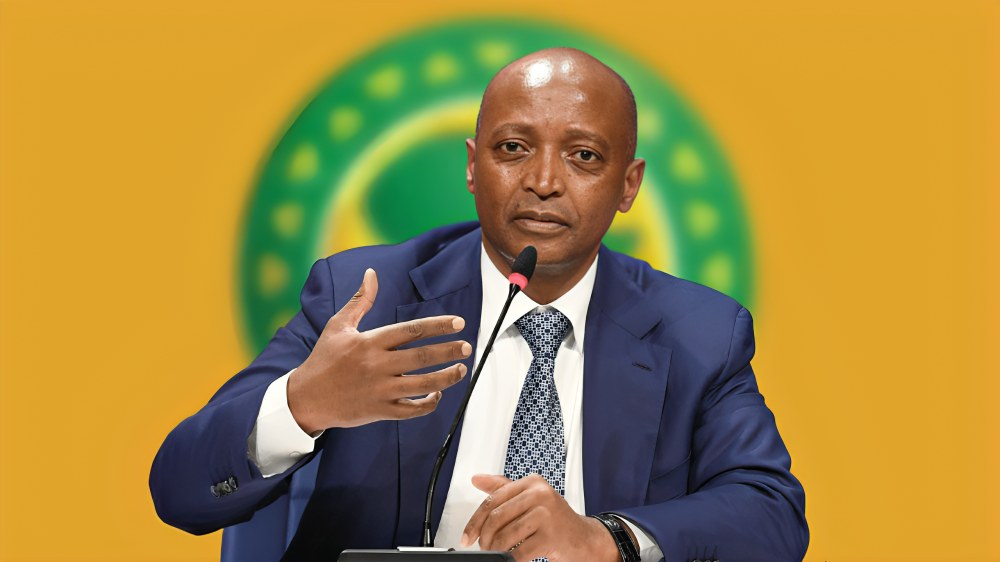
CAF President Dr Patrice Motsepe has expressed immense pride in the performances of the ten African national teams that participated in the 2026 FIFA World Cup. In a statement released by the Confederation of African Football (CAF), Motsepe commended the continent’s representatives for their collective improvement, citing underlying metrics such as expected goals (xG) and passes per defensive action (PPDA) that signal a new era of tactical maturity. The African contingent, which included powerhouses like Ghana and Cape Verde, showcased a level of organisation and efficiency that has long been the hallmark of elite football nations.
Record-Breaking Metrics for African Teams
According to CAF’s internal analysis, African teams posted an aggregate xG of 1.8 per match in the group stage, a significant increase from previous tournaments. This uptick in shot-creating actions (SCAs) — averaging 12.5 per 90 minutes — reflects a more cohesive attacking structure. Defensively, the average PPDA of 9.2 across all African sides indicated a pressing intensity that disrupted opponents’ build-up play. Dr Motsepe specifically praised Ghana, whose high-pressing system yielded a PPDA of 8.7, among the best in the tournament. ‘These numbers are not accidental; they are the result of deliberate investment in coaching and youth development,’ he said.
Cape Verde’s Vozinha: A Symbol of African Resilience
One of the standout stories was Cape Verde goalkeeper Vozinha, whose shot-stopping heroics earned him a place in the tournament’s All-Star shortlist. Dr Motsepe hailed him as ‘an African success story,’ noting that Vozinha’s 4.2 goals prevented above expected (G-xG) placed him among the top five goalkeepers globally. Such individual brilliance, combined with collective tactical discipline, underscores the depth of talent emerging from the continent. For deeper analysis of African goalkeeping trends, read more on CAF’s technical report.
CAF’s Strategic Announcements
Beyond the World Cup, Dr Motsepe unveiled several key initiatives aimed at sustaining this momentum. These include an expanded CAF Champions League format with higher prize money and a revamped African Nations Championship (CHAN) to provide more competitive exposure for home-based players. Additionally, CAF will launch a data analytics platform to help federations track player metrics — a move that aligns with global best practices. For fans and analysts seeking to dive deeper into these metrics, Unlock VIP Analytics to access advanced statistical models.
Conclusion
The 2026 World Cup has been a watershed moment for African football. With record xG figures, improved defensive organisation, and individual brilliance, the continent has proven that it can compete on equal footing with traditional powerhouses. Dr Motsepe’s pride is well-founded, but as he noted, ‘This is just the beginning.’ The strategic announcements from CAF promise to build on this foundation, ensuring that African teams not only participate but dominate in future tournaments.
