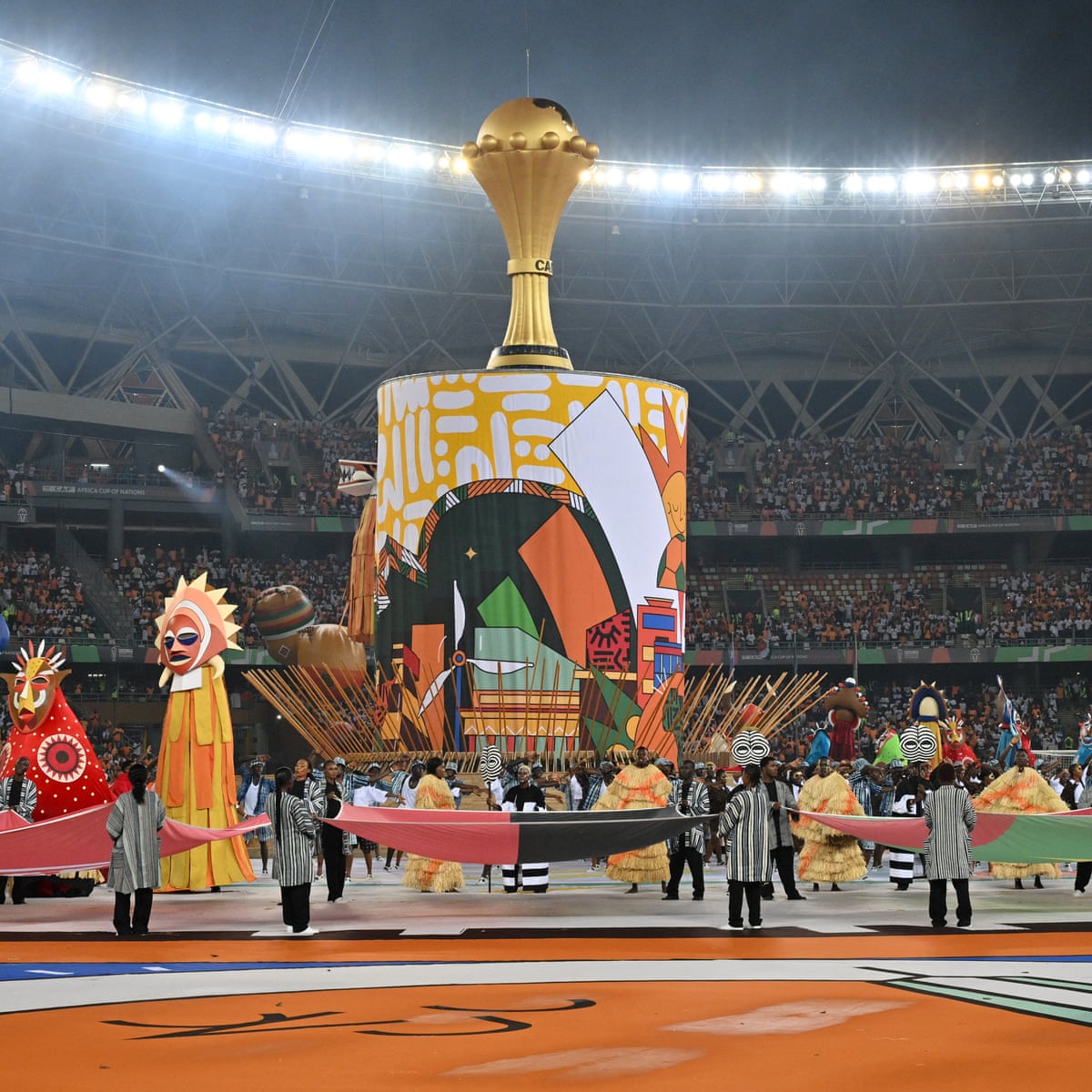
In a decisive move that has resonated across the continent, the Confederation of African Football (CAF) has rejected a proposal to expand the Africa Cup of Nations (AFCON) from 24 to 28 teams. The decision, reached during an executive committee meeting, was described by one member as a 'very bad idea,' underscoring a commitment to maintaining the tournament's competitive integrity. This development comes amid growing calls for greater African representation on the global stage, particularly following the expansion of the FIFA World Cup to 48 teams.
The Proposal and Its Rejection
The plan, which sought to increase the number of participants in Africa's premier football competition, was met with swift opposition. According to reports, CAF's executive committee voted down the expansion after deliberations that highlighted concerns over logistical challenges, diluted quality, and the strain on host nations. The Guardian confirmed that the proposal was rejected, with sources indicating that the majority of members favoured preserving the current 24-team format, which has been in place since 2019. The decision reflects a cautious approach, prioritising the tournament's prestige over numerical growth.
Preserving Elite Status
CAF's rejection aligns with a broader philosophy that values quality over quantity. The Africa Cup of Nations has long been a showcase of the continent's finest talent, and expanding to 28 teams risked diminishing the standard of play. As one executive committee member noted, the proposal was a 'very bad idea' that could undermine the tournament's appeal. This stance is reminiscent of debates in other confederations, where expansion has sometimes led to mismatches and reduced excitement. By maintaining 24 teams, CAF ensures that only the most deserving nations compete, preserving the drama and intensity that define AFCON.
A Contrast with Global Trends
The decision stands in stark contrast to the trajectory of the FIFA World Cup, which expanded to 48 teams in 2026. While Africa now has more representatives than ever at the World Cup, as highlighted by The Athletic, CAF has chosen a more conservative path. The continent's quest for a first World Cup final appearance continues, but CAF's focus remains on strengthening domestic competitions. This move may also alleviate concerns about fixture congestion, a persistent issue in African football, where players often juggle club and country commitments.
Looking Ahead: AFCON 2027 and Beyond
Despite the rejection of expansion, CAF President Patrice Motsepe has dismissed claims that the 2027 AFCON will be postponed, reaffirming the organisation's commitment to the current schedule. The tournament, set to be hosted by Kenya, Uganda, and Tanzania, promises to be a landmark event for East Africa. As the continent prepares, the focus remains on developing infrastructure and nurturing talent. For fans seeking deeper insights into African football, platforms like SokaFundi offer expert analysis and historical context, enriching the understanding of the game's heritage.
Conclusion
The Confederation of African Football's rejection of the 28-team expansion is a testament to its dedication to quality and tradition. In an era of rapid change, CAF has chosen to safeguard the essence of the Africa Cup of Nations, ensuring that it remains a fiercely competitive and prestigious tournament. While the continent aspires to greater heights on the world stage, this decision underscores the importance of building from a solid foundation. As the beautiful game evolves, Africa's football leaders have sent a clear message: some things are worth preserving.
