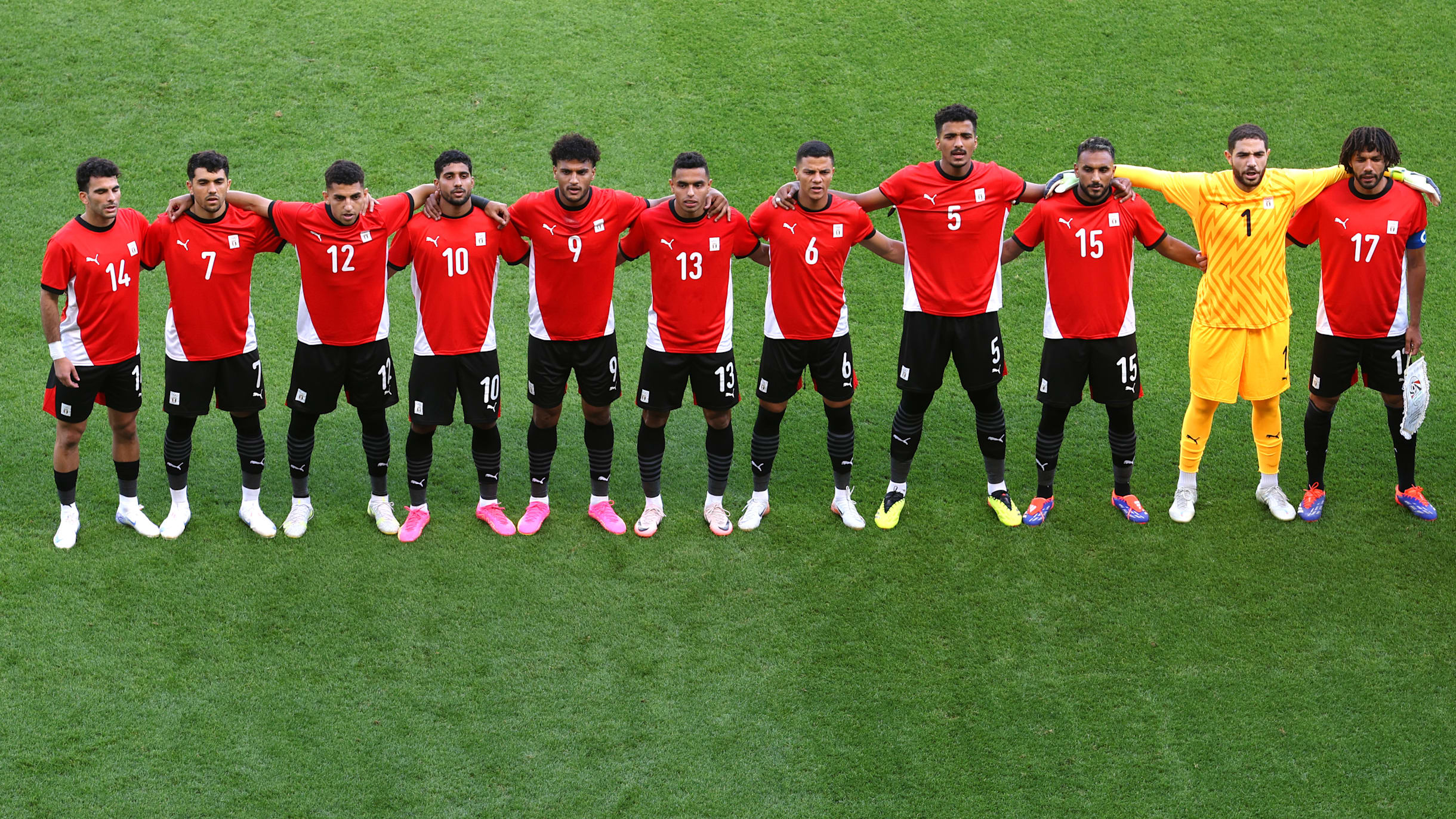
The Confederation of African Football (CAF) has officially confirmed Egypt as the host nation for the 2027 U-23 Africa Cup of Nations (AFCON), a pivotal qualifier for the Los Angeles Olympics. The announcement, made on 10 August, places the North African giants at the centre of African youth football's most prestigious stage. With a rich history of continental dominance and a robust infrastructure, Egypt's selection is both a reward and a challenge. This article examines the strategic significance of the hosting rights, the physical and tactical attributes that could shape the tournament, and the broader implications for African football development.
The Strategic Significance of Hosting
Egypt's appointment as hosts is no mere formality; it is a strategic move by CAF to leverage the country's proven organisational capacity and footballing culture. Egypt has previously hosted major continental tournaments, including the 2006 and 2019 AFCON, both of which were lauded for their logistical excellence. The U-23 AFCON serves as a direct qualifier for the Olympic Games, making it a high-stakes competition. Hosting provides Egypt with automatic qualification, a significant advantage that allows the technical bench to focus on tactical preparation rather than the rigours of qualifying rounds. Moreover, the tournament will be played in state-of-the-art stadiums, including the Cairo International Stadium, which boasts a capacity of over 75,000, offering a formidable home advantage.
Physical Attributes: The Key to Continental Success
In African youth football, physical attributes often separate the contenders from the pretenders. Egypt's youth development system has consistently produced players with exceptional physical profiles—tall, athletic, and robust—capable of dominating aerial duels and sustaining high-intensity pressing. The 2027 edition will likely see Egypt field a squad combining technical finesse with raw power. Historically, Egyptian youth teams have excelled in set-piece situations, a testament to their physical prowess. For instance, the 2019 U-23 AFCON, which Egypt won, showcased the team's ability to overpower opponents through sheer physicality, particularly in midfield and defence. This tournament will be an opportunity to assess whether the next generation can replicate that success.
Tactical Evolution and Coaching Philosophy
Egypt's coaching staff, known for their meticulous approach, will likely employ a flexible tactical system that adapts to the opposition. The modern game demands versatility, and Egypt's youth squads have shown a propensity for both possession-based and counter-attacking styles. The physical attributes of the players enable a high defensive line, pressing opponents aggressively, and recovering quickly. The 2027 tournament will serve as a litmus test for the tactical evolution of Egyptian football, especially in the absence of senior team stars. The focus will be on developing a cohesive unit that can transition seamlessly between phases of play, a hallmark of successful youth teams.
The Broader Impact on African Football
The hosting of the U-23 AFCON in Egypt is not just a national triumph; it is a continental milestone. It underscores the growing investment in youth football across Africa, with nations like Ghana, Morocco, South Africa, and Senegal also set to host major CAF competitions between 2026 and 2027. This decentralisation of hosting rights reflects CAF's commitment to spreading the game's development across the continent. For Egypt, the tournament offers a chance to showcase its footballing infrastructure and inspire a new generation of players. As the CAF confirms 2027 AFCON dates and unveils the 2026–27 competition calendar, the footballing world will be watching closely.
Conclusion
The confirmation of Egypt as hosts for the 2027 CAF U-23 Africa Cup of Nations is a landmark decision that promises to elevate the standard of African youth football. With a blend of physical dominance, tactical acumen, and home advantage, Egypt is well-positioned to make a deep run in the tournament. However, the true test lies in how the team harnesses these attributes under pressure. For scouts and analysts, this tournament will be a goldmine of emerging talent, offering insights into the future of African football. As the official announcement underscores, the countdown to 2027 has begun. For those seeking to refine their scouting skills, SokaFundi offers comprehensive tools to analyse player performance and potential, ensuring you stay ahead of the curve.
