Introduction
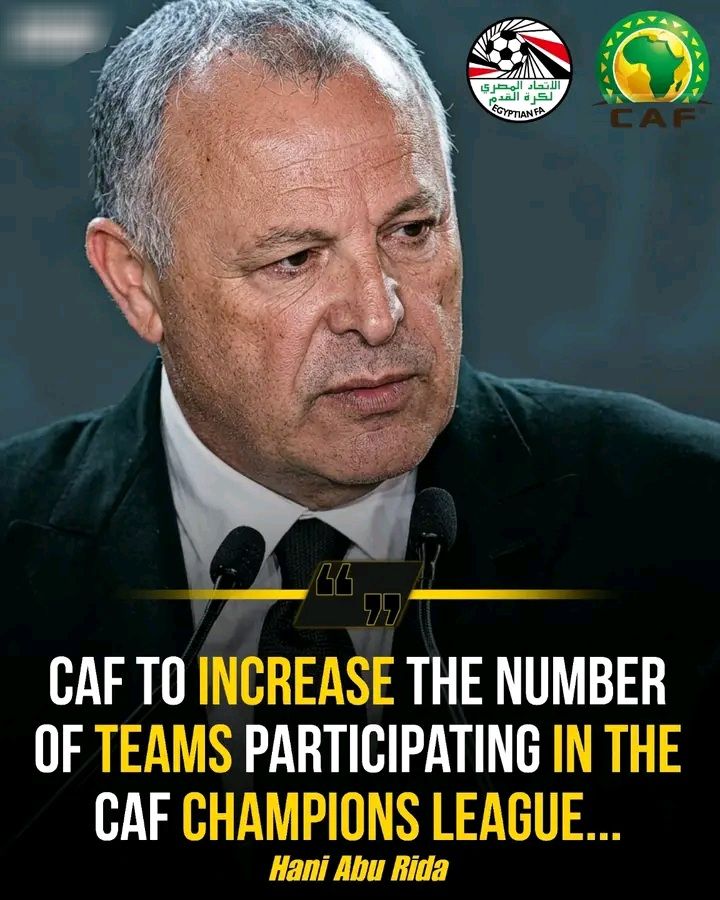
In a move that could reshape the financial landscape of African club football, Egyptian Football Association president Hany Abo Rida has officially submitted a proposal to the Confederation of African Football (CAF) calling for the expansion of its club competitions. The initiative comes on the back of Africa's historic performance at the 2026 FIFA World Cup, where several nations advanced deep into the tournament, underscoring the continent's growing footballing prowess. Abo Rida's plan seeks to align CAF's club structure with the expanded FIFA Club World Cup, offering African clubs greater exposure and revenue streams. This business-focused analysis examines the financial implications, potential amortisation strategies, and the impact on wage structures across the continent.
The Financial Case for Expansion
Abo Rida's proposal is rooted in economics. Currently, CAF's premier club competition, the CAF Champions League, features 64 teams in the group stage, but the Egyptian FA president argues that a larger format would unlock significant broadcasting and sponsorship revenues. With Africa's World Cup success attracting global attention, CAF has a unique opportunity to capitalise. According to Morocco World News, the proposal includes increasing the group stage to 128 teams, mirroring the UEFA Champions League's recent expansion. This would allow more clubs from emerging football nations—such as Nigeria's Shooting Stars, who are set to benefit from CAF's upcoming discussions—to participate, thereby broadening the revenue base.
Amortisation and Player Investment
Expanded competitions would enable clubs to amortise transfer fees over longer periods, as increased match revenues provide more predictable cash flows. For instance, a club like Al Ahly, which recently re-signed Trezeguet ahead of the 2025 Club World Cup, could justify higher transfer outlays by spreading costs across multiple continental campaigns. The expanded FIFA Club World Cup, set to feature 32 teams from 2025, will further incentivise CAF to align its calendar. As reported by BBC Sport, African clubs now see the Club World Cup as a lucrative opportunity, with prize money expected to rise. Abo Rida's proposal would ensure that more African clubs get a slice of that pie, potentially stabilising wage structures by tying player bonuses to continental performance.
FFP and Wage Structure Implications
Financial Fair Play (FFP) regulations in Africa remain inconsistent, but CAF's proposed changes—including the African Nations League—signal a push for greater fiscal responsibility. Expansion would likely force clubs to professionalise their wage structures, moving away from high, unsustainable salaries towards performance-based models. Clubs participating in expanded tournaments would need to comply with stricter financial reporting, a move that could curb reckless spending. The Egyptian FA's proposal aligns with CAF president Dr Patrice Motsepe's vision of a more commercially viable African football ecosystem, as detailed in ESPN's analysis of CAF's changes.
Marketing and Fan Engagement
For fans and investors, expanded competitions mean more matches and greater engagement. At SokaFundi, we provide detailed financial breakdowns and transfer market insights to help you track these developments. Explore SokaFundi's CAF analytics tools to stay ahead of the curve. The proposal also includes a revamped group stage format that could increase matchdays by 40%, boosting ticket sales and hospitality revenues.
Conclusion
Hany Abo Rida's proposal is a timely business proposition that leverages Africa's World Cup success to drive commercial growth. By expanding CAF club competitions, the continent can attract greater investment, improve financial sustainability, and enhance the global competitiveness of its clubs. While challenges remain—such as coordinating calendars with FIFA and ensuring equitable revenue distribution—the potential rewards are immense. African football stands at a crossroads, and this expansion could be the catalyst for a new era of financial prosperity.
