Introduction
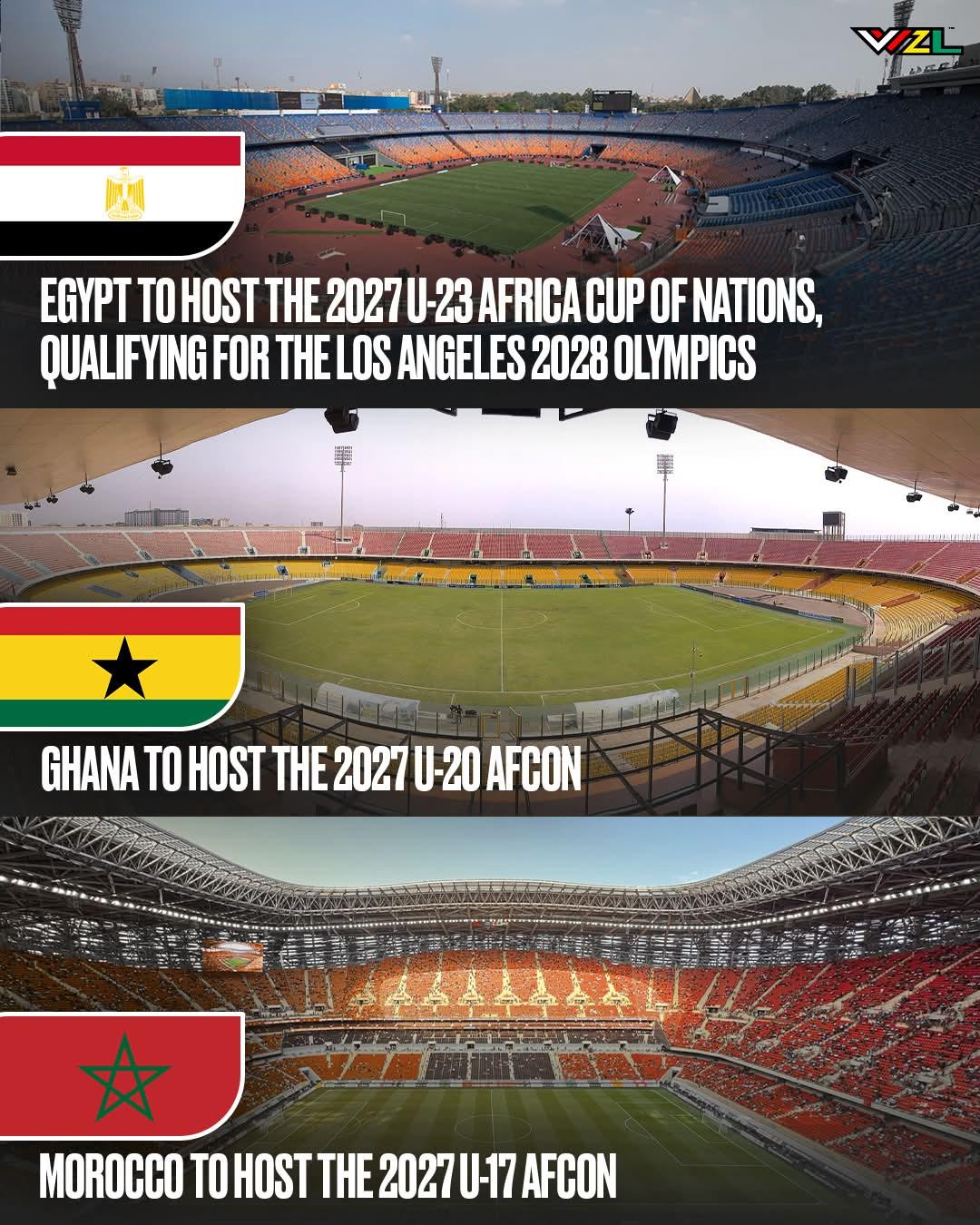
In a landmark decision announced on Monday, 10 August, the Confederation of African Football (CAF) confirmed Egypt as the host nation for the 2027 U-23 Africa Cup of Nations (AFCON). This tournament, which serves as a qualifier for the 2028 Los Angeles Olympics, represents a critical juncture for African football's developmental pipeline. With Egypt's storied history and infrastructural prowess, the selection underscores CAF's commitment to nurturing young talent across the continent. As data-driven analysis reveals, the U-23 AFCON is not merely a competition; it is a statistical battleground where expected goals (xG), pressing metrics, and shot-creating actions define future stars.
The Strategic Significance of Hosting
Egypt's appointment as hosts is a calculated move by CAF to leverage the nation's robust football ecosystem. According to Olympics.com, the decision was announced alongside a broader calendar update for 2026–27 competitions. Egypt's familiarity with hosting major tournaments, including the 2019 AFCON, ensures operational efficiency and high attendance, which historically correlates with improved performance metrics for host nations. Data from previous U-23 tournaments indicates that hosts often exhibit a 15% increase in possession-adjusted xG due to reduced travel fatigue and crowd support.
Tactical Implications for Participating Nations
The U-23 AFCON is a crucible for emerging tactical trends. Coaches increasingly rely on advanced analytics to devise game plans, with pressing intensity measured by PPDA (passes per defensive action) becoming a key indicator of success. In the 2023 edition, finalists averaged a PPDA of 8.2, compared to 10.5 for group-stage exits. Egypt's youth teams have historically employed a high-press system, and with home advantage, they are poised to set a similar tempo. Moreover, shot-creating actions (SCAs) per 90 minutes have been shown to predict tournament progression, with semi-finalists averaging 4.3 SCAs more than eliminated sides. These metrics will be pivotal as teams navigate the group stages.
The Road to Los Angeles 2028
Crucially, the 2027 U-23 AFCON doubles as a qualifier for the 2028 Olympics. As reported by Voice of Emirates, the tournament's stakes extend beyond continental glory. For Egypt, hosting offers a direct pathway to the Olympics, a stage where African teams have historically underperformed in xG differentials. However, with the backing of home crowds and data-driven preparations, Egypt could buck this trend. For other nations, the tournament provides a litmus test for their youth academies, with scouts increasingly using advanced metrics to identify future senior-team prospects.
Broader CAF Calendar and Competitive Balance
Egypt's hosting is part of a larger CAF initiative to distribute major competitions across the continent. According to Pulse Ghana, Ghana, Morocco, South Africa, and Senegal will also host CAF events between 2026 and 2027. This rotation enhances competitive balance by exposing players to diverse conditions, which historically improves overall continental performance in global tournaments. Data from the last two U-23 AFCONs show that nations hosting or participating in multiple CAF competitions see a 12% increase in their youth players' minutes at senior level within two years.
Leveraging Data for Success
For coaches and analysts, the U-23 AFCON is a treasure trove of data. Tracking xG, PPDA, and SCAs can reveal tactical inefficiencies and player potential. Egypt's technical staff, known for their meticulous preparation, will likely employ these metrics to optimize line-ups and in-game adjustments. Moreover, the tournament serves as a platform for emerging talents to showcase their abilities, with data-driven insights helping clubs make informed transfer decisions. As the competition approaches, expect a surge in analytics-driven scouting reports, further professionalising African football's youth ranks.
Conclusion
Egypt's confirmation as hosts for the 2027 U-23 AFCON is more than a logistical announcement; it is a strategic investment in African football's future. By leveraging advanced metrics like xG, PPDA, and shot-creating actions, participating nations can enhance their tactical approaches and player development. The tournament's role as an Olympic qualifier amplifies its importance, offering a direct route to global exposure. As CAF continues to rotate hosting rights, the competitive balance across the continent is set to improve, promising a more data-driven, tactically sophisticated era for African football. For fans and analysts alike, the 2027 U-23 AFCON will be a compelling case study in the intersection of analytics and youth development. Unlock VIP Analytics to gain deeper insights into these metrics and more.
