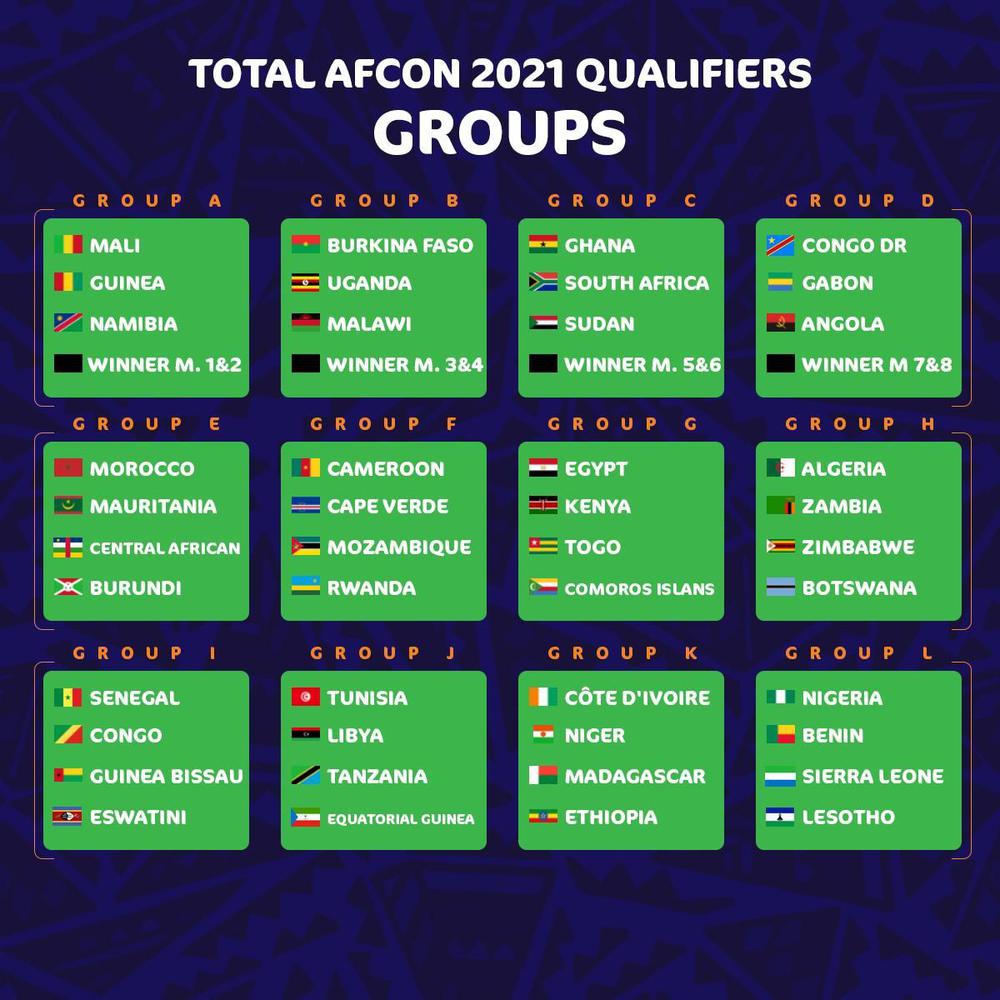
As the summer sun casts its golden glow over the Horn of Africa, the footballing fraternity of Ethiopia and Sudan finds itself on the precipice of destiny. On August 17th, the two CECAFA nations will learn their fate for the TotalEnergies Africa Cup of Nations 2021, a tournament that promises to be a grand carnival of African football. This momentous occasion, steeped in the rich heritage of the continent's beautiful game, evokes memories of bygone eras when these nations stood tall among Africa's elite. With the draw looming, the Walia Ibex and the Falcons of Jediane are poised to write a new chapter in their storied histories, and the anticipation is palpable.
The Road to Cameroon: A Journey of Hope and Glory
The path to the Africa Cup of Nations has always been a treacherous one, fraught with the perils of continental competition. For Ethiopia, a nation that once ruled the continent in the 1960s, the qualification for the 2021 edition marks a resurgent return to the grand stage. The Walia Ibex, under the guidance of their astute tacticians, have displayed a brand of football that harks back to their golden generation, blending youthful exuberance with seasoned experience. Similarly, Sudan, a country with a proud footballing tradition, have navigated the treacherous waters of qualifying with a steely resolve, earning their place among the continent's finest. As the draw date approaches, the two nations stand united in their quest for glory, their supporters dreaming of nights filled with passion and pride.
The Significance of the Draw: A Moment of Destiny
In the annals of African football, the draw has always held a special significance, for it is the moment when dreams are either crystallised or dashed. For Ethiopia and Sudan, the August 17th draw in Cameroon will not merely determine their group opponents; it will shape their entire tournament narrative. The draw, which will be conducted amidst the pomp and pageantry befitting a continental spectacle, will see the 24 qualified nations placed into six groups of four. The CECAFA representatives will be hoping for favourable groupings that can propel them into the knockout stages, while also being wary of the traditional powerhouses that lurk in the shadows. As the football world turns its eyes to Yaoundé, the anticipation is tangible, and the stakes could not be higher.
Historical Echoes and Modern Aspirations
To truly appreciate the magnitude of this moment, one must cast a glance back at the illustrious pasts of these two nations. Ethiopia, the pioneers of East African football, clinched the Africa Cup of Nations title in 1962 on home soil, a triumph that reverberated across the continent. Sudan, too, have their own claim to glory, having won the tournament in 1970 and finishing as runners-up in 1959. These are not mere footnotes in history; they are the foundation upon which current aspirations are built. As the modern generation of players dons the national colours, they carry the weight of this legacy, and the draw on August 17th will be the first step in their quest to emulate their forebears. The official CAF announcement regarding the draw has already sparked fervent discussions among fans and pundits alike, with many drawing parallels to the historic encounters of yesteryear.
The CECAFA Brotherhood: United in Ambition
The East and Central African region, known as CECAFA, has long been a breeding ground for footballing talent, yet its nations have often struggled to make a lasting impact on the continental stage. Ethiopia and Sudan, as the region's flag bearers, carry the hopes of millions who yearn to see the CECAFA banner held high. Their qualification is a testament to the region's potential, and their performances in the tournament will be closely watched by neighbouring nations seeking inspiration. The friendly encounter between Ethiopia and Sociedade Esportiva do Gama in 2014, which ended in a creditable 1-1 draw, showcased the resilience and tactical acumen that the Walia Ibex possess, qualities that will be essential in the heat of Cameroon. For Sudan, their recent displays, including a competitive showing against Algeria in the 2025 AFCON, underline their progress and readiness for the challenges ahead.
The Modern Game: Tactical Evolution and Strategic Planning
In the contemporary era, success at the Africa Cup of Nations demands more than just passion; it requires meticulous preparation and tactical innovation. Ethiopia and Sudan have embraced this reality, investing in their football infrastructure and scouting networks to ensure their squads are equipped to compete at the highest level. The coaching staff have been poring over footage of potential opponents, devising strategies that can neutralise the threats posed by the continent's heavyweights. From set-piece routines to pressing triggers, every detail is being scrutinised in the pursuit of perfection. The draw will provide the blueprint for their campaigns, and the subsequent months will be spent fine-tuning their approach. As the CECAFA website aptly notes, the announcement of the draw date has set the wheels in motion, and the countdown to August 17th has begun in earnest.
Conclusion
As the sun sets on the horizon of anticipation, Ethiopia and Sudan stand at the threshold of a new dawn. The draw on August 17th will not only determine their opponents but will also ignite the flames of hope that burn brightly in the hearts of their supporters. For the Walia Ibex and the Falcons of Jediane, this is more than just a tournament; it is a celebration of their footballing heritage and a statement of their intent to reclaim their place among Africa's elite. The beautiful game, with all its drama and romance, awaits them in Cameroon, and the continent will be watching with bated breath. As they embark on this journey, the lessons of the past and the promise of the future converge, reminding us why football is indeed the heartbeat of Africa. And for those who seek to delve deeper into the tactical nuances and historical narratives of the game, SokaFundi offers a treasure trove of insights and analysis, ensuring that the legacy of this great sport is never forgotten.
