Introduction
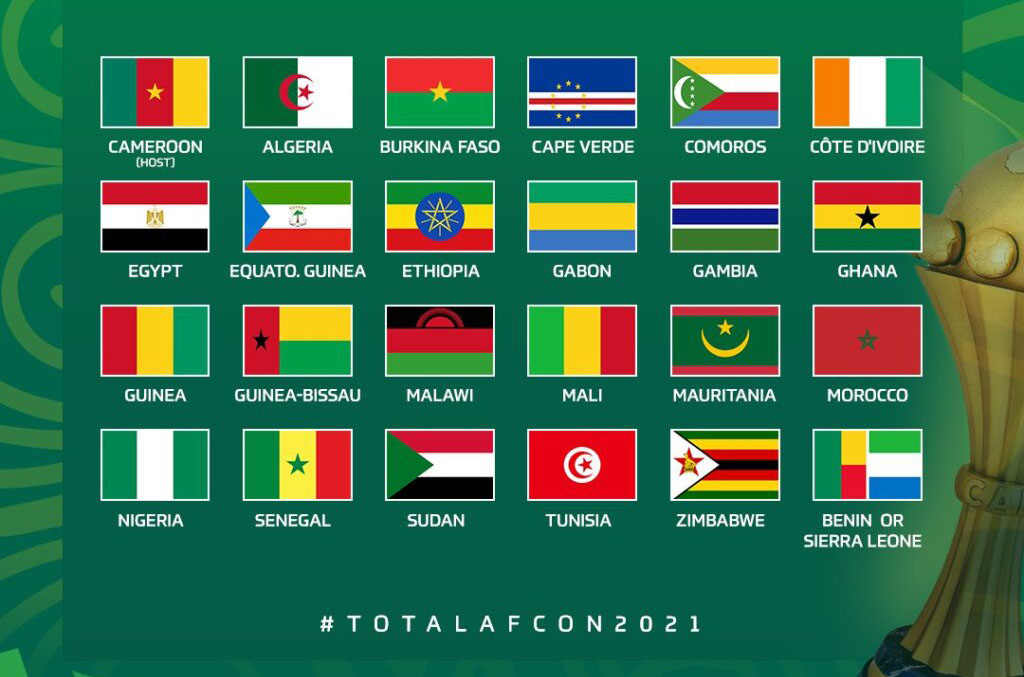
As the countdown to the TotalEnergies Africa Cup of Nations 2021 intensifies, CECAFA flag bearers Ethiopia and Sudan are poised to learn their group-stage opponents in the official draw scheduled for August 17. For both nations, this moment marks a critical juncture in their tactical planning, as managers must tailor their systems to counter specific threats and exploit weaknesses revealed by the draw. Ethiopia, returning to the continental showpiece after a long absence, and Sudan, seeking to build on recent progress, face the challenge of adapting their formations to the unpredictable dynamics of AFCON group play.
The Draw: A Tactical Crossroads
The draw, which will be conducted under the auspices of CAF, will determine the group composition for all 24 qualified teams. For Ethiopia and Sudan, the outcome will dictate the tactical approach required to advance. Ethiopia, known for their disciplined defensive structure under coach Wubetu Abate, often deploy a compact 4-4-2 block, relying on swift counter-attacks through wide channels. Sudan, conversely, have shown flexibility in their 4-3-3 or 3-4-3 systems under Burhan Tia, emphasising possession in midfield and pressing triggers high up the pitch. The identity of their opponents will determine whether they can impose their style or must adapt.
In Possession: Ethiopia's Counter-Attacking Threat
When in possession, Ethiopia's primary weapon is the transition. The Walia Ibex have historically struggled to dominate possession against stronger sides, so their tactical model revolves around defensive solidity and rapid forward surges. Against teams that commit numbers forward, Ethiopia's wingers—often deployed as inside forwards—look to exploit space behind full-backs. The full-backs themselves are instructed to stay deep initially, creating a 4-4-2 shape that can become a 4-2-3-1 when the ball is won. Numerical superiority in midfield is achieved by dropping one striker into the hole, forming a temporary 4-5-1. This system requires precise passing and movement, but against a high-pressing opponent, it can be vulnerable.
Out of Possession: Sudan's Pressing Triggers
Sudan's defensive approach is more aggressive. In their 4-3-3, the front three initiate a coordinated press when the opposition centre-back receives the ball. The trigger is often a sideways pass to a full-back, at which point Sudan's winger and central midfielder close down, aiming to force a long ball into their aerial-dominant centre-backs. This high-risk strategy can lead to turnovers in dangerous areas, but it also leaves space in behind if bypassed. Against possession-oriented teams, Sudan may drop into a mid-block 4-1-4-1, with the defensive midfielder shielding the back line. The key tactical battle will be whether Sudan can sustain their press intensity throughout a group stage with three matches in quick succession.
Set Pieces: A Decisive Factor
Both nations recognise the importance of set pieces in AFCON tournaments. Ethiopia have worked on offensive corners, with centre-backs arriving late at the far post, while Sudan's long-throw specialist can create chaos in the box. Defensively, both teams employ zonal marking with man-marking on key threats. The draw will reveal whether they face opponents with aerial prowess or vulnerability from dead-ball situations, potentially dictating their training focus in the lead-up.
Conclusion
The August 17 draw will be more than a ceremonial event; it will set the tactical agenda for Ethiopia and Sudan. Ethiopia must hope for a group where they can absorb pressure and counter, while Sudan will seek opponents that allow them to press effectively. Both managers will be analysing potential rivals' recent matches—available via platforms like CAF Online—to refine their systems. As the countdown begins, the tactical chess match is already underway. For deeper insights into how these formations evolve, explore SokaFundi's tactical analysis tools to simulate group stage scenarios and player roles.
Ultimately, the ability to adapt will separate the contenders from the tourists. Ethiopia and Sudan have the tactical foundations; now they await the opponents who will test them.
