Introduction
As the countdown to the TotalEnergies Africa Cup of Nations 2021 intensifies, the football fraternity in the CECAFA region turns its gaze towards the draw ceremony scheduled for next month. Ethiopia and Sudan, the two flag bearers from the region, will finally learn which nations they will face in the group stage of Africa's premier football tournament. The draw, set to take place in Yaoundé, Cameroon, on August 17th, will shape the destiny of these two historic sides as they prepare for the continental showdown.
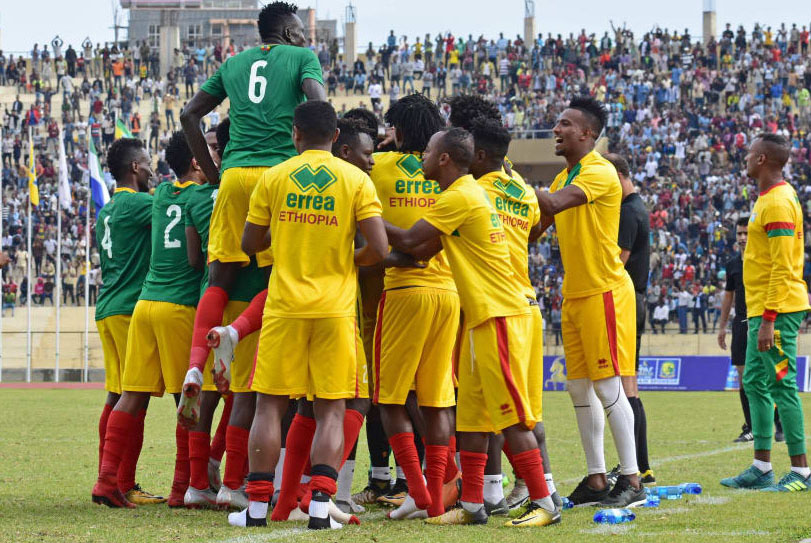
For the Walia Ibex of Ethiopia, this marks a return to the continental stage after a lengthy absence, while Sudan, a nation with a rich footballing pedigree, seeks to re-establish itself among Africa's elite. This article provides a scouting analysis of both teams, focusing on their physical attributes, tactical setups, and potential group-stage challenges, offering an authoritative preview of what lies ahead.
The Draw: A Pivotal Moment for CECAFA
The upcoming draw will be a defining moment for both nations. With the tournament scheduled to be hosted by Cameroon, the draw's outcome will determine the immediate path each team must navigate. For Ethiopia, who last featured in the Africa Cup of Nations in 2013, the draw represents an opportunity to test their mettle against the continent's best. Sudan, on the other hand, will be looking to improve upon their past performances, having last appeared in 2012.
According to reports from CECAFA Online, the two nations will be placed in Pot 3 or 4, depending on the final seedings. This means they are likely to face one of the tournament's heavyweights, such as Algeria, Senegal, or Nigeria, in the group stage. The draw's significance cannot be overstated, as it will set the tone for their campaigns and influence their preparations.
Ethiopia: Physical Attributes and Tactical Approach
Ethiopia's recent form, including a credible 1-1 draw against Brazilian club SE do Gama in an international friendly, as reported by Ethiosports, highlights their defensive resilience and counter-attacking prowess. The Walia Ibex are known for their compact defensive structure, often deploying a 4-4-2 formation that prioritises discipline and organisation.
Physically, the Ethiopian squad possesses a blend of agility and stamina, traits that are essential for the high-altitude conditions of their home ground but also serve them well in the humid climate of Cameroon. Their forwards, though not the most imposing in stature, exhibit explosive acceleration and quick footwork, making them dangerous on the break. The midfield engine room, led by their captain, provides the team with a solid work rate and the ability to transition swiftly from defence to attack.
One key aspect of Ethiopia's game is their set-piece efficiency. Their defenders, who are generally tall and aerially dominant, pose a significant threat during corners and free-kicks. This could be a crucial weapon against physically stronger opponents.
Sudan: A Blend of Experience and Youth
Sudan, a nation that has produced legendary footballers like Haytham Tambal, enters the tournament with a squad that mixes seasoned campaigners with emerging talents. Their physical profile is characterised by a robust and athletic build, with several players plying their trade in the Sudanese Premier League and abroad.
The Falcons of Jediane are tactically versatile, often switching between a 4-2-3-1 and a 3-5-2 formation depending on the opponent. Their defensive line is known for its physicality and aerial prowess, making them difficult to breach, especially from crosses. In midfield, they rely on ball-winning abilities and quick distribution to launch attacks.
Sudan's attacking options are spearheaded by a target man who excels in holding up play and bringing others into the game. His physical strength allows him to shield the ball effectively, creating space for the wingers to exploit. The team's pace on the flanks is a notable asset, with wide players capable of delivering dangerous crosses into the box.
Psychological Readiness and Group Dynamics
Beyond physical attributes, the psychological aspect of the tournament will play a pivotal role. Both Ethiopia and Sudan will enter the competition as underdogs, which can either be a burden or a source of motivation. The draw will determine whether they face familiar opponents or unfamiliar challenges.
For Ethiopia, the memory of their 2013 campaign, where they failed to progress past the group stage, still lingers. However, the current squad has shown mental fortitude in recent qualifiers, coming from behind in crucial matches. Their coach has instilled a belief that they can compete with the best, and this mindset will be crucial.
Sudan, meanwhile, has a history of performing above expectations in continental tournaments. Their passionate fan base and the desire to redeem past disappointments could provide an extra edge. The psychological preparation, including handling the pressure of playing in front of large crowds, will be a key focus in their training camps.
The Road Ahead: Preparations and Friendly Matches
In the lead-up to the draw, both nations are expected to schedule international friendlies to fine-tune their tactics and assess player fitness. These matches will be crucial in identifying the final squad selections and building team cohesion. The coaching staff will also analyse potential opponents, studying their playing styles and physical strengths.
Given the unpredictability of the draw, the teams must remain flexible in their approach. The ability to adapt to different playing styles will be vital, and the physical conditioning of the players will be tested to the limit.
Conclusion
The TotalEnergies Africa Cup of Nations 2021 presents a golden opportunity for Ethiopia and Sudan to showcase their footballing credentials on the continental stage. The draw next month will set the stage for what promises to be an enthralling tournament. Both teams possess the physical attributes and tactical discipline to cause upsets, but much will depend on the luck of the draw and their ability to execute their game plans under pressure.
As the CECAFA region unites in support, the Walia Ibex and the Falcons of Jediane carry the hopes of their nations. Whether they will soar or stumble remains to be seen, but one thing is certain: the journey begins with the draw, and the world will be watching.
For in-depth analysis, player profiles, and exclusive insights into these teams, be sure to check out the SokaFundi platform, where our experts break down every aspect of the tournament. Stay tuned for comprehensive coverage as the draw unfolds and the road to Cameroon intensifies.
