Introduction
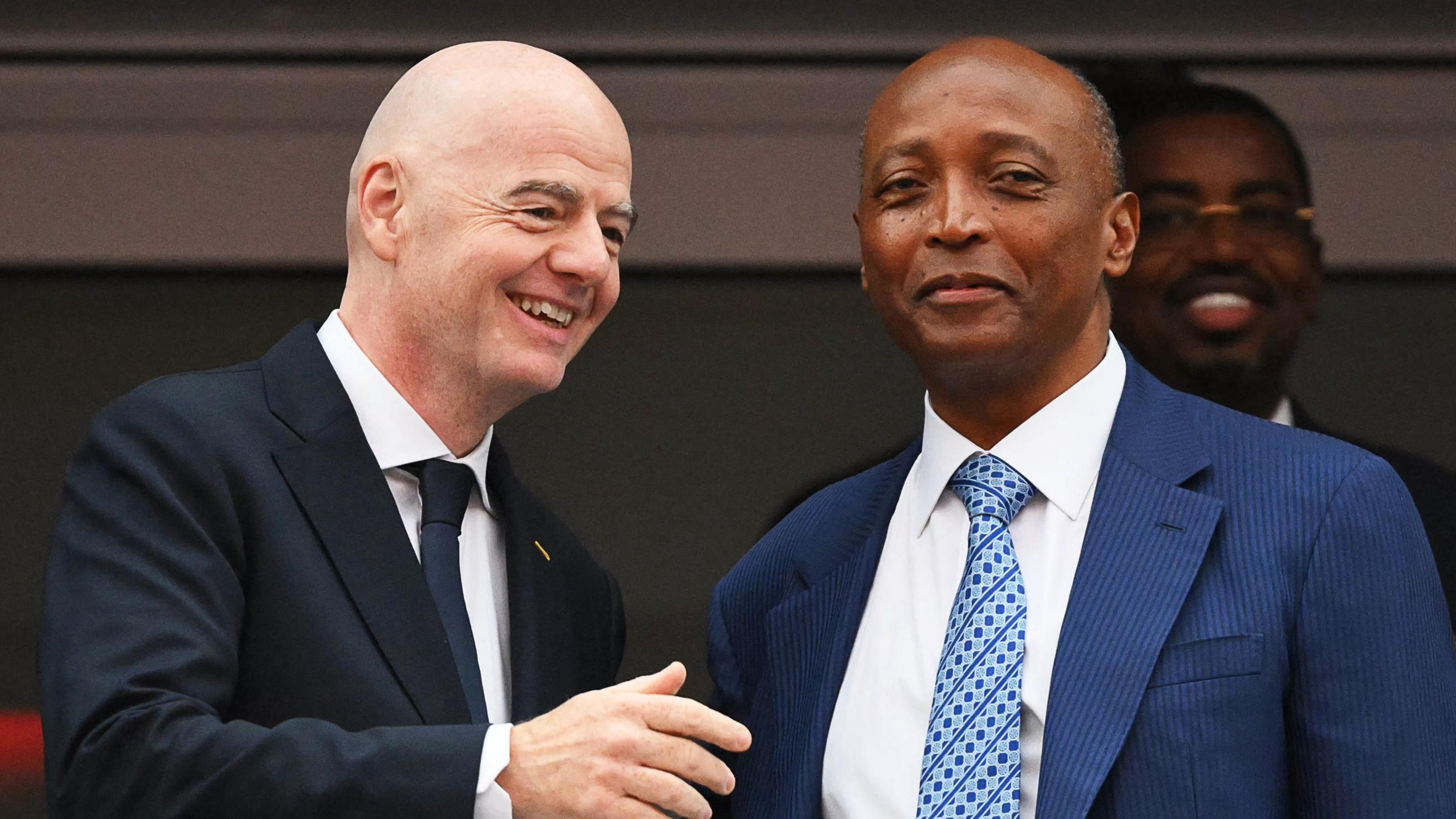
In a move that has sent ripples through the global football governance landscape, FIFA President Gianni Infantino has proposed selling stakes in the organisation's premier competitions, including the World Cup, to private investors. The plan, which could raise up to $20 billion, has been met with widespread criticism from European football bodies and fan groups. However, amidst the backlash, the Confederation of African Football (CAF) has emerged as a potential ally. This article examines why Africa might back Infantino's controversial proposal, drawing on verified reports and the continent's unique footballing context.
The Proposal and Its Critics
FIFA's strategy involves selling minority stakes in its competitions to private equity firms, a move Infantino argues would generate unprecedented revenue to develop football globally. Critics, however, view this as a dangerous commodification of the sport, fearing that commercial interests could overshadow sporting integrity. The Guardian reported that Infantino has since scrapped the proposal due to widespread backlash, but the initial plan had already sparked a significant debate. According to Sky Sports, Infantino even offered a £30 million incentive to member associations to back the plan, highlighting the high stakes involved.
Africa's Pragmatic Stance
Africa's potential support for the plan stems from a pragmatic assessment of its football development needs. CAF, led by Patrice Motsepe, has been vocal about the financial challenges facing African football, from infrastructure deficits to limited youth development programmes. The promised investment could provide a lifeline, enabling the continent to upgrade stadiums, improve coaching standards, and enhance competitive opportunities. As the BBC notes, "the body running African football is..." (the full quote is truncated, but the implication is clear: CAF sees potential benefits). This aligns with the broader narrative that African football, despite its rich talent pool, has often been underfunded and overlooked.
The Financial Incentive
For many African nations, the immediate financial incentive is compelling. Infantino's £30 million offer to member associations, as reported by Sky Sports, could be transformative for smaller federations that struggle to fund basic operations. This is particularly significant in a continent where national associations often rely on government support or external aid. The prospect of a windfall, coupled with the promise of long-term revenue sharing, makes the proposal attractive, even if it comes with strings attached.
Concerns and Counterarguments
Despite the potential benefits, there are legitimate concerns. Critics argue that private investors would demand a return, potentially leading to increased commercialisation of the World Cup, from more frequent tournaments to expanded formats that may dilute quality. There is also the risk of governance issues, as FIFA's transparency has been questioned in the past. However, for many African federations, the immediate needs outweigh these long-term uncertainties. The Goal.com report highlights that Infantino's leadership has been "badly shaken" by the backlash, but this may not deter African support, as the continent has historically been a strong voting bloc for Infantino.
Conclusion
In conclusion, Africa's potential backing of FIFA's World Cup sell-off plan is rooted in economic pragmatism and a desire for development. While the proposal has been scrapped for now, the underlying dynamics remain relevant. For African football, the promise of investment could accelerate growth, but it must be weighed against the risks of over-commercialisation. As the debate continues, it is clear that Africa's voice will be crucial in shaping the future of global football governance. For more insights into football strategy and player analysis, visit SokaFundi for exclusive scouting reports and tactical breakdowns. The final verdict: Africa's support is a calculated bet on its own development, and only time will tell if it pays off.
