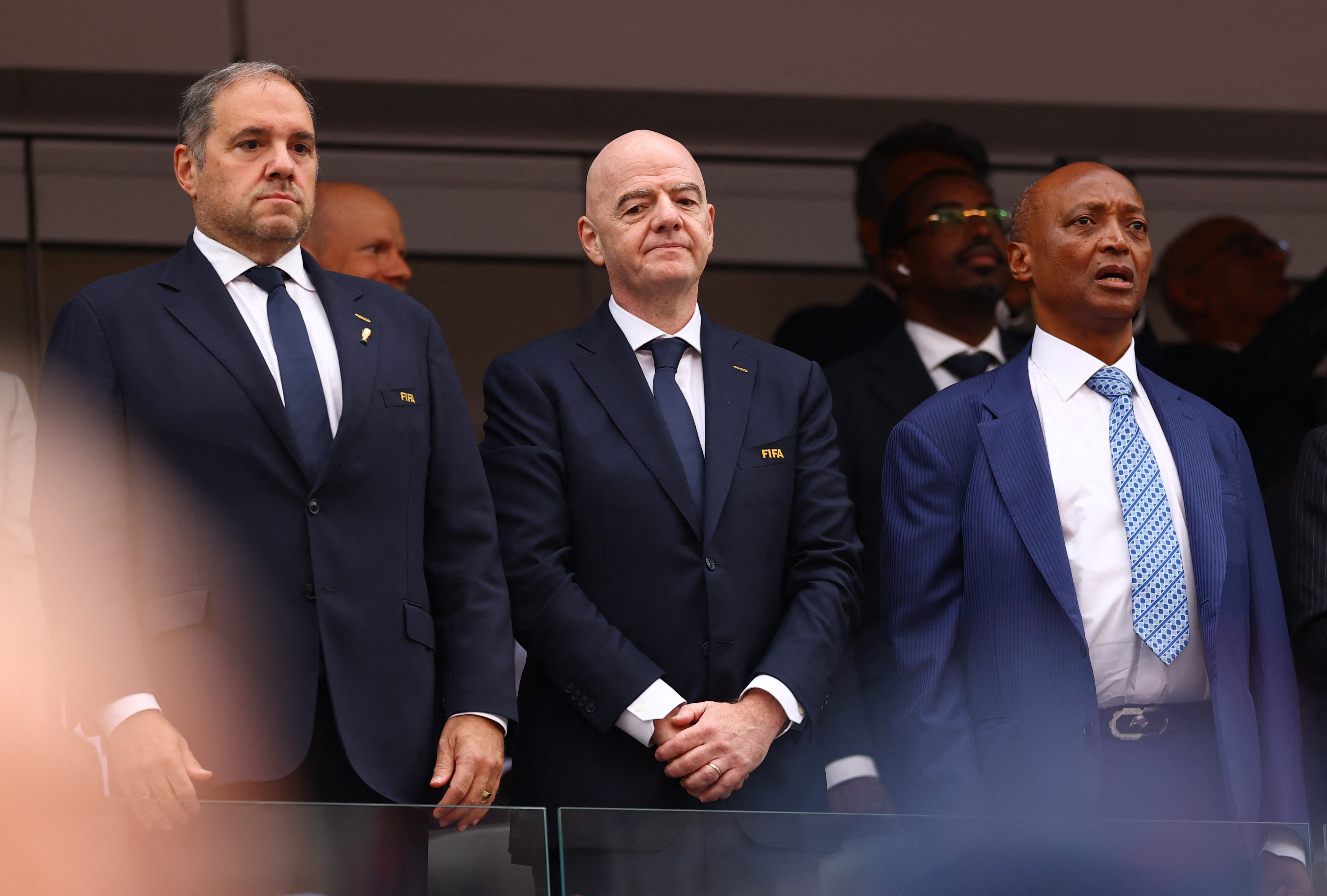
Infantino's African Gambit
FIFA President Gianni Infantino is counting on Africa's support in his bid for re-election, but the Confederation of African Football (CAF) has remained conspicuously silent amid growing uncertainty over his future. With 54 member associations, Africa represents the largest voting bloc in FIFA's electoral college, making it a critical constituency for any presidential hopeful. However, CAF's reticence suggests that Infantino's reliance on the continent may be misplaced, as internal divisions and shifting allegiances complicate the picture.
Infantino, who has championed expanded World Cup slots for African teams and increased development funding, has long seen Africa as a reliable base. Yet, the recent silence from African football leaders, as reported by Daily Sabah, indicates that loyalty is not guaranteed. The continent's associations are weighing their options, mindful of the political and financial implications of their choices.
The CAF Silence: A Telling Sign
CAF's lack of public endorsement for Infantino is striking, especially given his past overtures to the continent. In recent months, several African federations have refrained from issuing statements of support, a departure from previous electoral cycles where bloc voting was more predictable. This silence could stem from concerns over FIFA's governance reforms, allegations of ethical lapses, or simply a strategic wait-and-see approach.
Key factors influencing African voting behavior include:
As one African football insider noted, "The era of automatic bloc voting is over. Each association is now evaluating its own interests."
The Stakes for African Football
The outcome of the next FIFA presidential election will have profound implications for African football. Infantino has overseen the expansion of the World Cup to 48 teams, guaranteeing Africa more slots, and has pledged to boost the FIFA Forward programme, which funds development projects across the continent. However, critics argue that these initiatives have not translated into tangible improvements in African football's competitiveness on the global stage.
A change in FIFA leadership could disrupt these programs, but it could also bring fresh perspectives and renewed focus on African priorities. For many associations, the decision hinges on which candidate offers the most credible path to sustainable development.
The Calculus of Votes
Infantino's strategy assumes that Africa will rally behind him, but the reality is more nuanced. While some federations are grateful for his support, others are disillusioned by the lack of progress on issues like fair representation in FIFA's decision-making bodies. The continent's voting power is undeniable, but it is not monolithic.
According to political analysts, Infantino needs to secure at least two-thirds of the votes from Africa to offset potential losses in Europe and South America. Yet, with CAF's silence, that target appears increasingly uncertain. As the election approaches, both Infantino and his rivals will be courting African delegates with promises of greater autonomy and investment.
For those interested in the tactical nuances of football governance and how they mirror on-pitch strategies, SokaFundi offers in-depth analyses and expert insights.
Conclusion
Gianni Infantino's reliance on Africa is a high-stakes gamble. Despite his efforts to cultivate goodwill through increased funding and World Cup slots, CAF's silence underscores the fragility of his support base. With 54 votes at stake, African associations are carefully calculating their next move, aware that their decision could reshape the future of world football. As the election nears, the continent's role as kingmaker will be tested, and Infantino may find that counting on Africa is not the same as securing its votes.
