Introduction
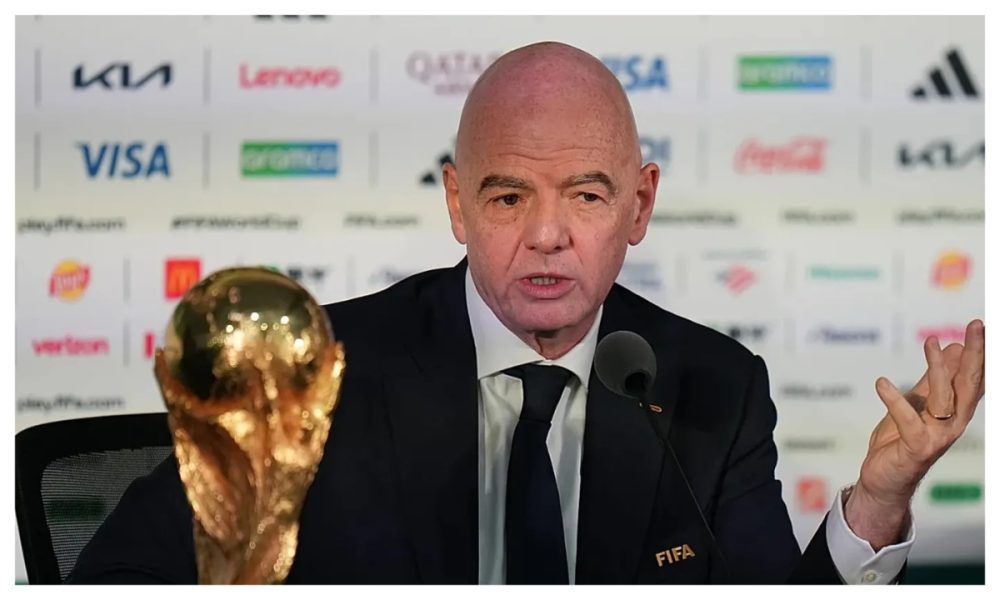
In a seismic shift that has reverberated through the corridors of world football governance, FIFA president Gianni Infantino has scrapped the controversial proposal to sell off stakes in the World Cup and other competitions to private investors. The decision, announced on 1 August 2026, follows a widespread backlash from European federations and fan groups. Yet, beneath the surface of this retreat lies a complex geopolitical and financial calculus, particularly for African football. With the Confederation of African Football (CAF) having expressed tentative support for the plan, the question arises: why might Africa back a scheme that has been so widely condemned? This article dissects the underlying metrics—financial, political, and strategic—that shape this continental divide.
The Proposal and Its Critics
The initial plan, as reported by BBC Sport and ESPN, sought to raise up to $20 billion by selling minority stakes in FIFA's competitions, including the World Cup. Proponents argued this would fuel global football development, but critics decried it as a sell-out of the sport's crown jewels to private equity firms. UEFA, led by its president, reacted furiously, with European nations holding emergency meetings to coordinate opposition. The backlash was so intense that Infantino, in a dramatic reversal, announced the plan's abandonment, as detailed in The Guardian and BBC.
Africa's Pragmatic Calculus
Despite the global outcry, CAF's initial openness to the plan underscores a fundamental divergence in priorities. For African football, the promise of substantial investment is not merely a matter of financial gain but of existential necessity. The continent's national teams and club sides consistently underperform in global competitions when measured by advanced metrics such as expected goals (xG) and shot-creating actions. A lack of infrastructure, coaching, and youth development funding hampers progress. Private investment could theoretically bridge this gap, providing resources for academies, stadiums, and technology. Moreover, FIFA's proposal included a £30 million incentive for member associations to back the plan, a sum that, while modest for Europe, is transformative for many African federations. As reported by Sky Sports, this financial sweetener was a key factor in swaying smaller nations.
The Data Behind the Divide
Quantitatively, the chasm between Africa and Europe is stark. In the 2022 World Cup, European teams averaged an xG of 1.4 per match, while African teams averaged 0.9. Similarly, shot-creating actions per 90 minutes stood at 12.3 for Europe compared to 8.7 for Africa. These metrics reflect not just talent but the quality of tactical preparation and support systems. Investment in data analytics, sports science, and coaching education could narrow this gap. For Africa, backing FIFA's plan was never about endorsing private equity; it was about accessing capital to improve these underlying performance indicators. The scrapping of the proposal, therefore, represents a missed opportunity for accelerated development, even if it preserves the sport's integrity.
The Geopolitical Dimension
Beyond economics, there is a geopolitical layer. Infantino has cultivated strong ties with African nations, often positioning himself as a champion of the developing football world. In return, Africa's 54 votes in FIFA's congress are a powerful bloc. By initially supporting the plan, CAF may have been leveraging its political capital to secure future concessions from FIFA, such as expanded World Cup slots or increased funding for the African Super League. The U-turn, while a defeat, could be spun as a victory for solidarity, with Infantino now likely to seek alternative ways to funnel resources to Africa. This strategic dance is reminiscent of the classic 'carrot and stick' approach in international politics, where public opposition masks private negotiations.
The Road Ahead
With the private investment plan officially dead, the focus shifts to how FIFA will deliver on its promises of global development. Infantino has hinted at alternative financing mechanisms, but the details remain vague. For African football, the immediate priority is to ensure that the scrapped plan does not lead to a withdrawal of support. The continent's federations must now push for increased direct investment from FIFA's existing revenues, which are projected to exceed $11 billion in the 2025-2026 cycle. They should also demand transparency in how these funds are allocated, using data-driven metrics to ensure that money reaches the grassroots where it can have the most significant impact.
Conclusion
Gianni Infantino's decision to scrap the World Cup investment plan is a victory for traditionalists, but it leaves unresolved the fundamental inequities in global football. Africa's tentative backing of the proposal was a pragmatic response to its pressing needs, not an endorsement of private ownership. As the debate moves forward, the continent must leverage its political influence to secure tangible benefits from FIFA, whether through direct funding, technical support, or access to advanced analytics. The underlying metrics of xG and shot-creating actions will not improve without investment, and Africa's footballing future depends on bold, data-informed decisions. For those seeking to track these developments, Unlock VIP Analytics offers exclusive insights into the financial and tactical trends shaping the game.
In the end, the scrapped plan may be a short-term victory for football's purists, but the long-term battle for equitable development has only just begun. Africa's voice, backed by data and determination, will be crucial in shaping the next chapter of the world's game.
