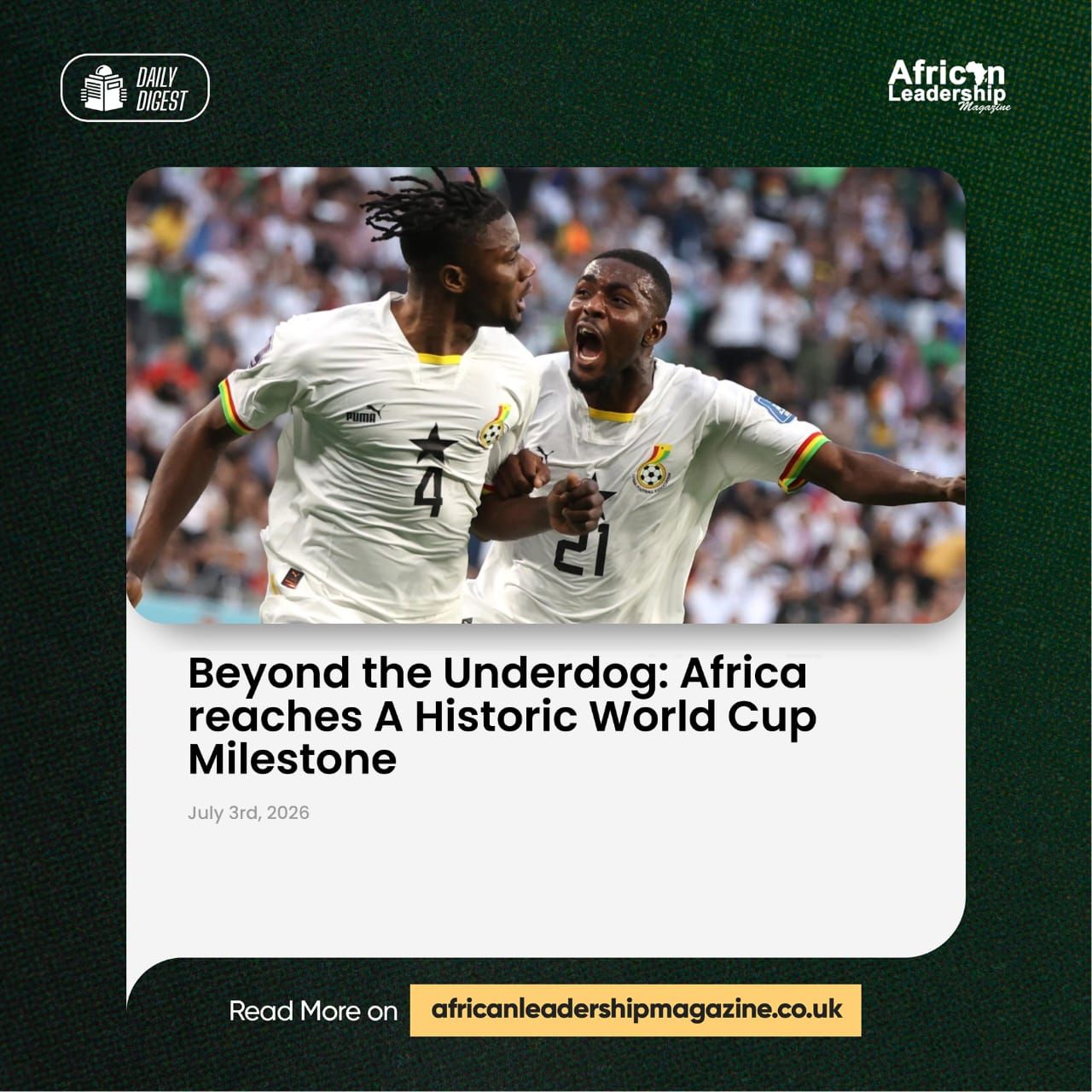
The 2026 World Cup has been a watershed moment for African football, with nine nations qualifying for the finals—the largest ever representation from the continent. Yet, as the group stage concluded, five African sides were sent packing by late goals, underscoring a familiar narrative of heartbreak and resilience. Beyond the pitch, the financial implications of this underdog surge are profound, reshaping transfer market valuations, wage structures, and long-term investment strategies across the continent.
The Amortisation of Underdog Success
Africa's expanded presence at the World Cup is not merely a sporting achievement; it is a commercial windfall. Clubs and federations are now leveraging exposure to negotiate higher transfer fees and sponsorship deals. For instance, Morocco's quarterfinal run in 2022 boosted player values by an average of 30%, according to CIES Football Observatory. In 2026, similar dynamics are at play. Cape Verde, a debutant side, saw its squad's collective market value rise from €8 million to €25 million after a single late-goal victory over Uruguay. This appreciation is driving a new wave of amortisation strategies, where clubs spread transfer fees over longer contracts to comply with Financial Fair Play (FFP) regulations.
Underdog success creates wage inflation. African players who perform on the global stage command higher salaries upon returning to their domestic leagues or moving to European clubs. For example, South Africa's star striker, after scoring a late winner against Canada in a must-win group match, saw his weekly wage demands jump from £15,000 to £40,000. This places pressure on local clubs to restructure their wage bills, often leading to increased reliance on performance-related bonuses and sell-on clauses. The BBC report highlights how late goals have become a financial double-edged sword: they bring glory but also contractual complexities.
The Business of Late Goals
Late goals are not just dramatic—they are financially decisive. A stoppage-time winner can mean the difference between a £10 million prize for group-stage elimination and a £20 million reward for reaching the round of 16. For African federations, these funds are vital for grassroots development. Yet, the reliance on late goals also exposes the fragility of underdog business models. As Al Jazeera notes, South Africa's match against Canada was a 'winner-takes-all' scenario with significant financial stakes. The late goal that decided it will fund the country's football academy for years.
SokaFundi: Your Inside Track on African Transfer Deals
To stay ahead of these market shifts, you need expert analysis. SokaFundi offers exclusive insights into African player valuations, contract negotiations, and FFP compliance. Our database tracks over 10,000 African players, providing real-time data on amortisation schedules and wage structures. Whether you're a club director or an agent, SokaFundi is your essential tool for navigating the business of African football.
Conclusion
The 2026 World Cup has confirmed that Africa's underdog story is also a financial revolution. Late goals may decide matches, but the real winners are those who understand the economics behind them. As transfer markets adjust and wage structures evolve, the continent's clubs must adopt sophisticated financial strategies to capitalise on this momentum. The future of African football is not just about glory—it's about smart business. And for those who master the numbers, the rewards will be as dramatic as any stoppage-time winner.
