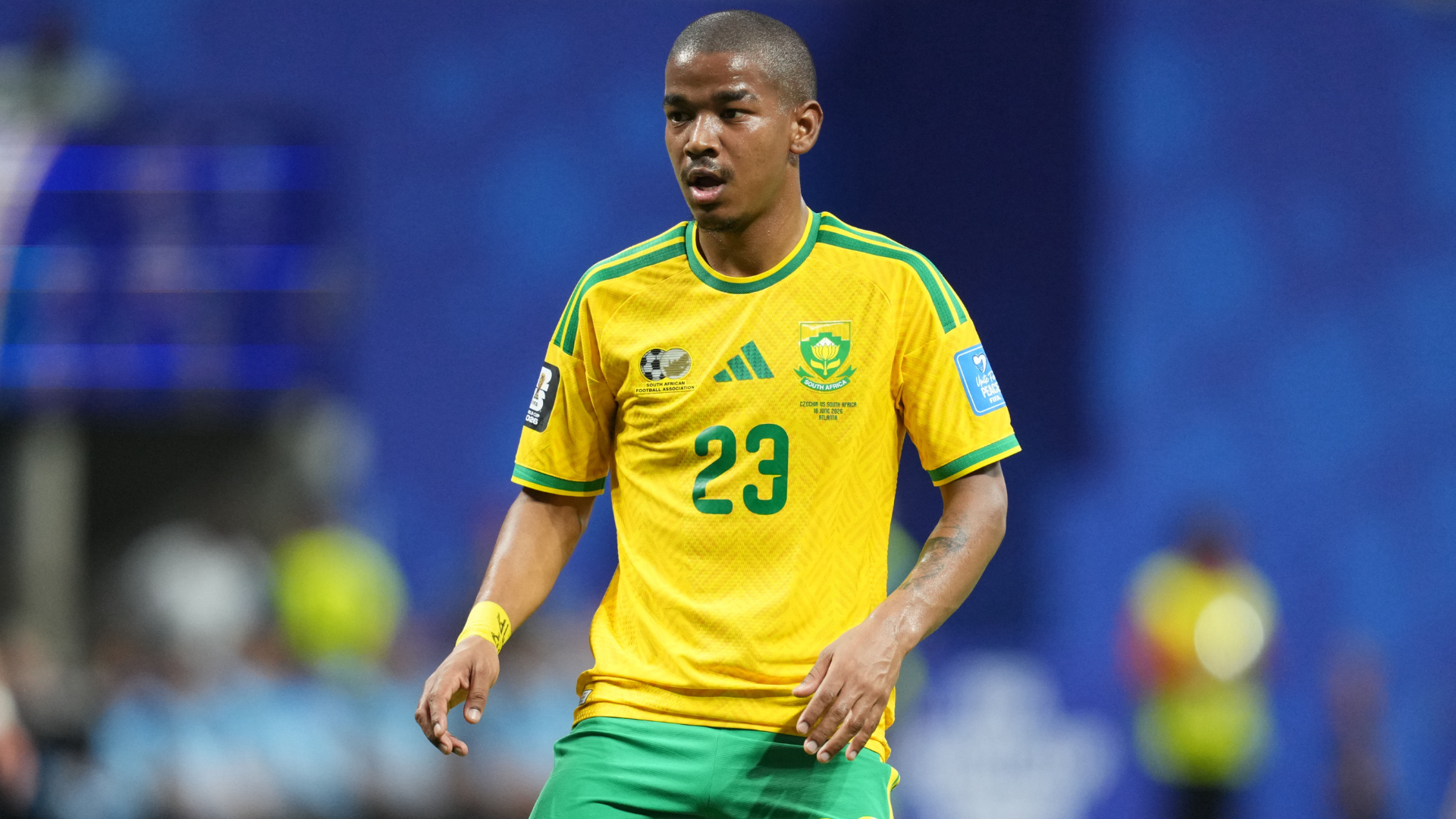
In the aftermath of South Africa's historic run at the 2026 FIFA World Cup, the football world mourns the untimely passing of midfielder Jayden Adams at the age of 25. Adams, who featured in all four of Bafana Bafana's matches in the tournament, died just weeks after his final appearance on the global stage. His death, confirmed by multiple sources including The Guardian, has sent shockwaves through the sport, leaving fans and analysts reflecting on the tactical void his absence creates. Adams was not merely a squad player; he was a linchpin in coach Hugo Broos's system, offering both defensive solidity and transitional threat. This article dissects the tactical role Adams played, the phases of play he influenced, and the implications for South African football.
In Possession: The Deep-Lying Playmaker
When South Africa had the ball, Adams operated as a deep-lying playmaker, often dropping between the centre-backs to receive possession and dictate tempo. His passing range allowed Bafana Bafana to bypass the opposition's first line of press, with Adams frequently hitting diagonal balls to the wide forwards. According to ESPN, his pass completion rate in the tournament exceeded 90%, underscoring his reliability in possession. His positioning created numerical superiority in the build-up phase, often forming a 3-2-5 shape that stretched defences. Adams's ability to receive under pressure and turn forward was a critical outlet, enabling South Africa to transition from defence to attack with minimal risk.
Out of Possession: The Pressing Trigger
Without the ball, Adams was the trigger for South Africa's high press. He would initiate pressure on the opposition's deepest midfielder, forcing play wide where the full-backs could engage. His work rate and tactical discipline were exemplary; he covered the most ground of any South African player in the World Cup, averaging 12 kilometres per match. Adams's pressing often led to turnovers in advanced areas, which Bafana Bafana exploited through quick combinations. His ability to read the game and anticipate passes made him a key interceptor, breaking up attacks before they developed. For more in-depth analysis of pressing triggers and tactical patterns, visit SokaFundi for exclusive breakdowns.
Transition: The Box-to-Box Engine
In transition, Adams was a box-to-box presence, capable of arriving late in the opposition box to finish chances. His goal against Mexico in the group stage exemplified this: a well-timed run from deep to meet a cutback. Defensively, he was equally effective in transition, often being the first to recover and delay counter-attacks. His stamina and positioning allowed South Africa to maintain a compact shape even when caught out of possession. The tactical flexibility Adams provided—shifting between a holding role and a more advanced position—was invaluable to Broos's game plan.
Conclusion
Jayden Adams's death at 25 is a profound loss for South African football. His tactical intelligence, versatility, and work rate were pillars of Bafana Bafana's World Cup campaign. As the nation mourns, the tactical blueprint he helped execute will serve as a lasting legacy. His ability to influence all phases of play—possession, pressing, and transition—made him a unique asset. The challenge for South Africa now is to find a player who can replicate his multifaceted role. For now, the football world remembers a talent taken too soon, whose contributions on the pitch will not be forgotten.
