Introduction
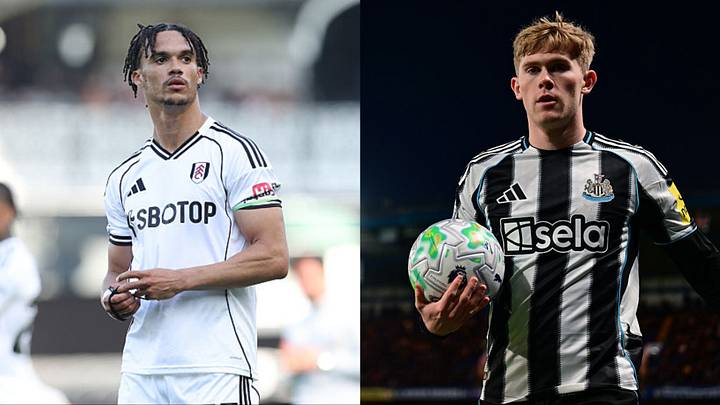
Manchester United's pursuit of a left-back this summer has intensified, with the club monitoring Newcastle's Lewis Hall and Fulham's Antonee Robinson, according to recent paper talk. The need for a long-term solution on the left flank has become a priority for manager Ruben Amorim, whose system demands dynamic full-backs capable of both defensive solidity and attacking width. This article dissects the tactical profiles of Hall and Robinson, assessing how each could fit into United's evolving shape under Amorim's 3-4-3 formation.
In Possession: Attacking Width and Overlaps
Amorim's system relies heavily on wing-backs providing natural width, allowing the inside forwards to drift centrally. Lewis Hall, a left-footed player comfortable as a full-back or wing-back, offers a balanced attacking threat. His ability to overlap and deliver early crosses from deep positions could unlock defences that sit deep against United. In contrast, Antonee Robinson is more explosive, using his pace to stretch opponents and create space for teammates. Both players have shown proficiency in Sky Sports coverage, but their differing styles could dictate United's approach in the final third.
Out of Possession: Defensive Solidity and Pressing Triggers
Defensively, United have struggled with transitions, particularly when the left-back is caught high up the pitch. Hall's positional awareness and reading of the game make him a more reliable defender in one-on-one situations, while Robinson's recovery pace is a significant asset against counter-attacks. In Amorim's press, the left-back must trigger pressure on the opposition's right-winger when the ball is played wide. Robinson's athleticism allows him to close down quickly, but Hall's tactical discipline ensures the defensive line remains compact. The choice between them will depend on whether United prioritise defensive security or attacking impetus.
Tactical Fit: Numerical Superiority and System Adaptability
Both players offer distinct advantages in creating numerical superiority. Hall's ability to invert into midfield could help United control central areas, a key feature of Amorim's tactics. Robinson, meanwhile, excels at stretching play, forcing opponents to shift their defensive shape and creating overloads on the left. For a deeper analysis of how full-backs influence modern systems, explore our SokaFundi tactical insights for detailed breakdowns of positional play. Ultimately, the decision may hinge on whether United face more low-block defences or high-pressing teams next season.
Conclusion
Manchester United's left-back search presents a fascinating tactical crossroads. Lewis Hall offers technical security and intelligence, while Antonee Robinson provides raw athleticism and directness. Both have been monitored by the club, as reported by Sky Sports, but the final choice will shape United's identity under Amorim. Whichever player arrives, the tactical implications will be profound, determining whether United can finally solve their left-back conundrum and mount a serious title challenge.
