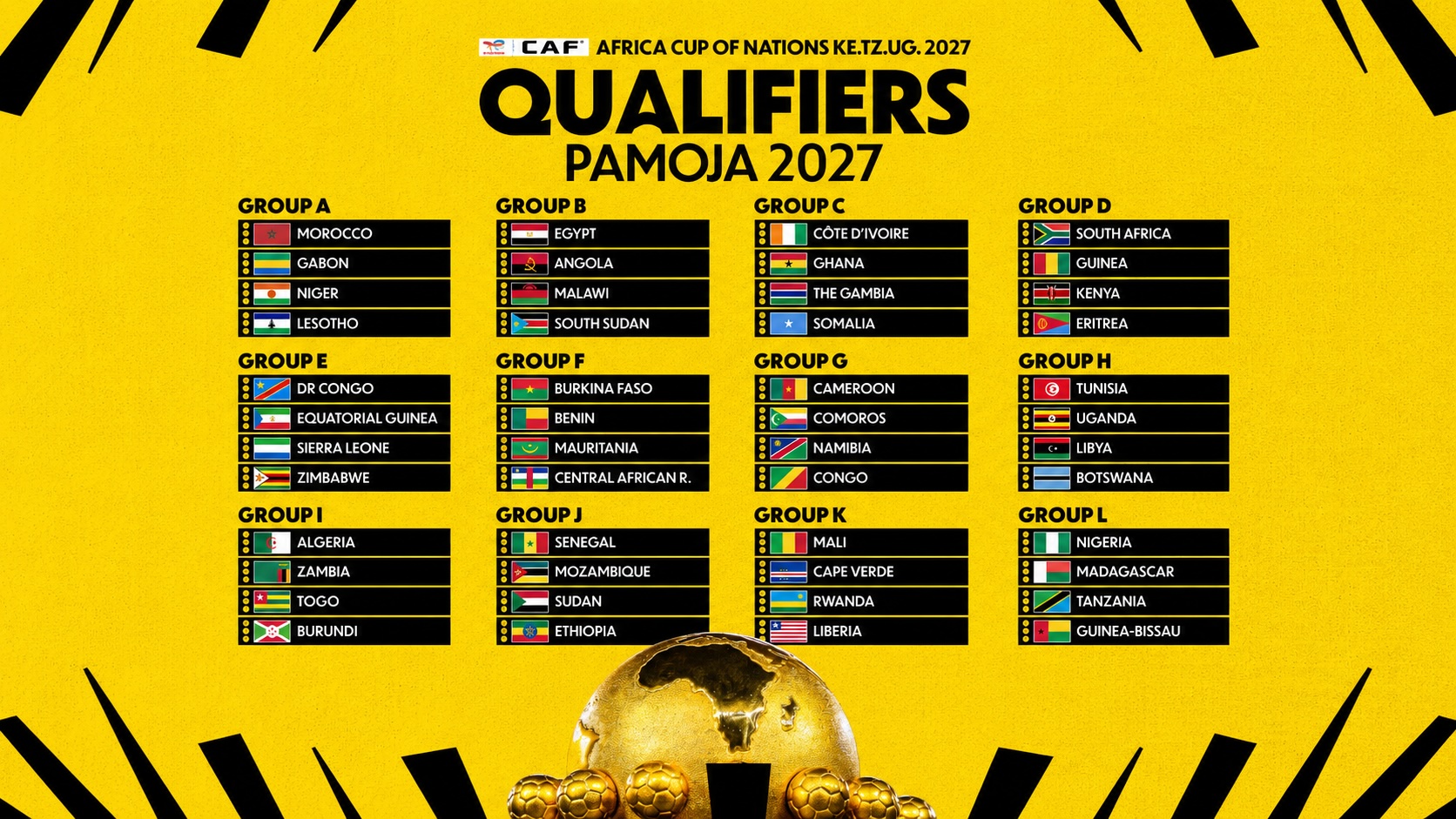
The TotalEnergies CAF Africa Cup of Nations PAMOJA 2027, set to be co-hosted by Kenya, Uganda, and Tanzania, promises to be a landmark tournament in African football. With exactly one year to kick-off, as noted by CAF, the three East African nations have vowed to deliver 'the best AFCON the world has ever seen' (source). This article dissects the tactical foundations that could define the tournament, focusing on the systems managers might employ to exploit home advantage and regional synergy.
In Possession: Building from the Back
Co-hosting presents a unique tactical challenge: blending three distinct footballing identities into a coherent style. For Uganda, the 4-3-3 formation favoured by their recent managers could be the base, allowing full-backs to push high and create overloads in wide areas. Kenya, under the guidance of figures like Victor Wanyama, might leverage their midfield physicality to control transitions. Tanzania's technical approach could add fluidity. The key will be numerical superiority in the first phase of build-up, using a double pivot to bypass high presses—especially crucial against North African sides known for aggressive counter-pressing.
Out of Possession: Pressing Triggers and Defensive Solidity
Defensively, the co-hosts must establish a unified pressing system. The 'Pamoja' (together) ethos must translate into coordinated triggers: pressing on the first touch from goal kicks or when the opponent faces their own goal. Uganda's experience in high-stakes qualifiers and Tanzania's compact 4-4-2 block could be merged. The central defensive partnership, likely anchored by experienced players, must maintain a high line to compress space, reducing the time opponents have to pick passes. This requires exceptional fitness, but the altitude and home crowds could provide an extra edge.
Set Pieces: The Decisive Battles
In tight knockout matches, set pieces often decide the outcome. The co-hosts must invest in rehearsed routines—both attacking and defensive. Uganda's aerial prowess from corners, Kenya's delivery from free kicks, and Tanzania's zonal marking must be drilled to perfection. CAF has emphasised the tournament's scale, and specialists will be vital. For instance, using decoy runners to create space for a near-post flick-on could be a signature move.
Conclusion
Pamoja 2027 is more than a tournament; it is a tactical statement of East African football's ambition. By harmonising their systems, pressing with intelligence, and mastering set pieces, Kenya, Uganda, and Tanzania can turn co-hosting into a competitive advantage. The world will be watching, but the tactical blueprint is already being drawn. For deeper analysis of African football tactics, explore SokaFundi's comprehensive match reports and data-driven insights. As Denis Onyango stated, 'We have to give Africa the best show'—and that show will be defined by tactical discipline.
