Introduction
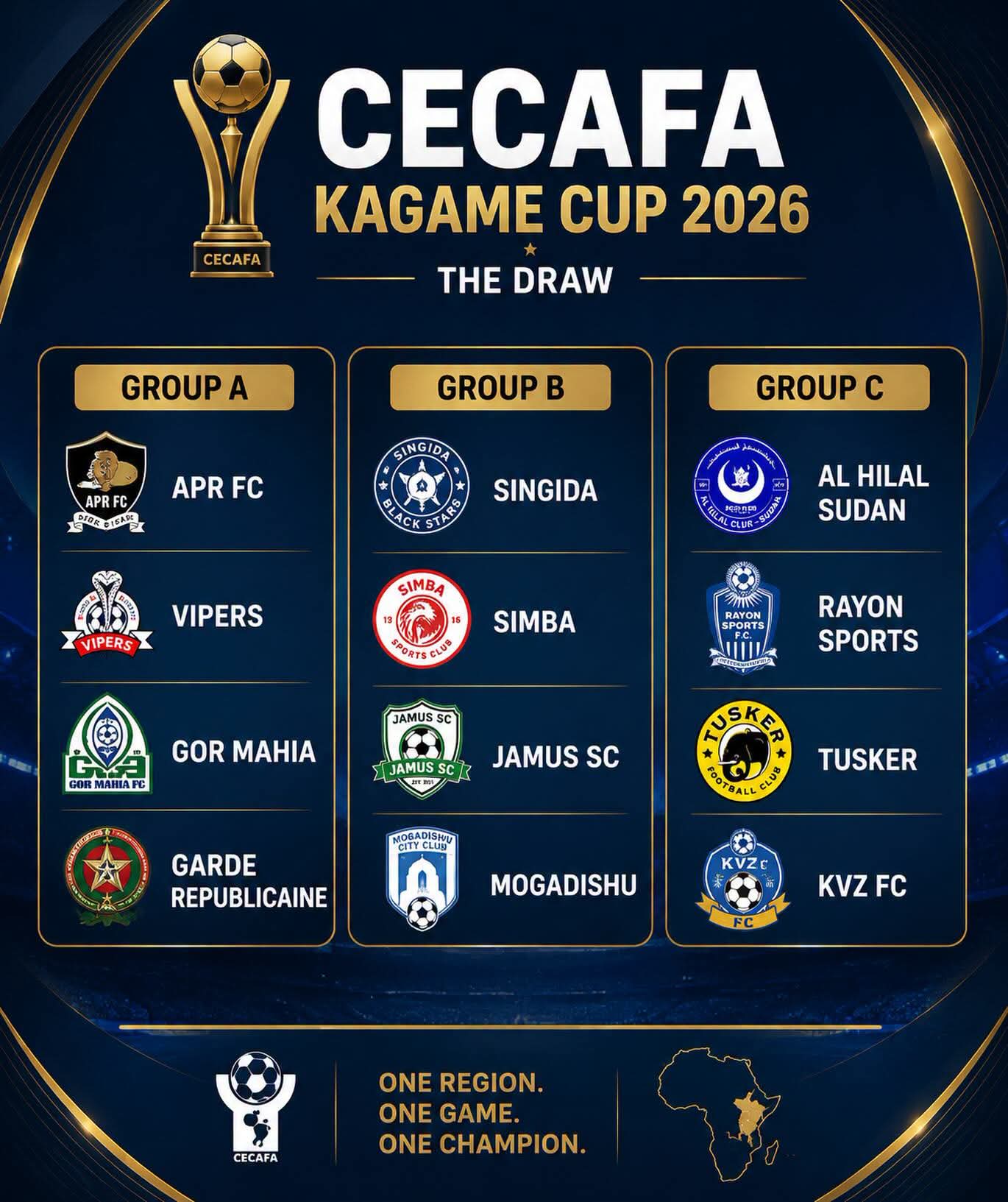
Rwanda stands on the cusp of a defining moment in regional football as the Rwanda Football Federation (FERWAFA) declares readiness to host a successful CECAFA Kagame Cup 2026. With Sudan Premier League champions Al Hilal SC injecting US$100,000 into the tournament, the stage is set for a showcase of tactical discipline and organisational excellence. The draw has already thrown up a fascinating opening fixture: three-time winners APR FC will face Kenya's Gor Mahia on July 24th, a match that promises to be a litmus test for Rwanda's tactical evolution under the tournament's spotlight. This article dissects the tactical systems likely to dominate the competition, focusing on how host nation Rwanda and its clubs can leverage numerical superiority and pressing triggers to secure glory.
In Possession: Building from the Back
Rwanda's clubs, particularly APR FC, have increasingly adopted a possession-based philosophy that prioritises structured build-up play. In the 2026 Kagame Cup, expect teams to utilise a 4-3-3 or 3-4-3 formation to create overloads in the first phase. The key tactical shift will be the use of inverted full-backs to form a midfield diamond, allowing the central defenders to split wide and draw the opposition press. This numerical superiority in the build-up—often a 3v2 against a two-man forward line—enables quick circulation into the midfield pivot. The sponsorship injection from Al Hilal SC underscores the financial muscle behind such tactical investments, as clubs seek to refine their passing networks.
Out of Possession: Pressing Triggers and Compactness
Defensive organisation will be paramount for Rwanda's representatives. The high press, triggered when the opposition plays a loose pass to a full-back or when the goalkeeper receives under pressure, will be a hallmark of APR FC's approach. By condensing the pitch into a 40-metre block, they aim to force turnovers in advanced areas. The tactical nuance lies in the trigger: when the opposition centre-back dwells on the ball, the nearest forward sprints to engage, while the midfield shifts to cut passing lanes. This system, reminiscent of modern European pressing, requires exceptional fitness and coordination—attributes that FERWAFA has emphasised in their preparations. For deeper insights into such tactical frameworks, visit SokaFundi for exclusive analysis and coaching resources.
Transition Phases: Exploiting Space
The transition moments will likely decide tight encounters. In offensive transitions, Rwanda's clubs aim to exploit the space behind a pressing opponent by releasing runners from deep. The use of a number 10 or false nine to drop into pockets and combine with wingers creates a 4v3 advantage in the final third. Defensively, the counter-press is immediate: after losing possession, the nearest three players swarm the ball carrier to regain control within five seconds. This aggressive approach mirrors the tactics of top European sides and could prove decisive against technically gifted opponents like Gor Mahia.
Set Pieces: A Tactical Edge
Set pieces offer a critical avenue for goals in tournament football. Rwanda's teams have invested in complex routines, including zonal marking with man-to-man threats on corners. The tactical shift involves using a decoy runner to block the goalkeeper's near post, while the primary target attacks the far post with a delayed run. This creates numerical superiority in the air, especially against man-marking systems. The precision of these routines reflects the meticulous planning by FERWAFA and club coaches, who have studied opponents' weaknesses through video analysis.
Conclusion
As Rwanda prepares to host the 2026 CECAFA Kagame Cup, the tactical blueprint is clear: a blend of controlled possession, aggressive pressing, and swift transitions. The opening match between APR FC and Gor Mahia will provide an early indicator of how these systems hold up under pressure. With the financial backing of Al Hilal SC and the organisational commitment of FERWAFA, Rwanda is poised to deliver a tournament that not only showcases regional talent but also elevates the tactical discourse in East African football. The real winner may be the evolution of the game itself.
