Introduction
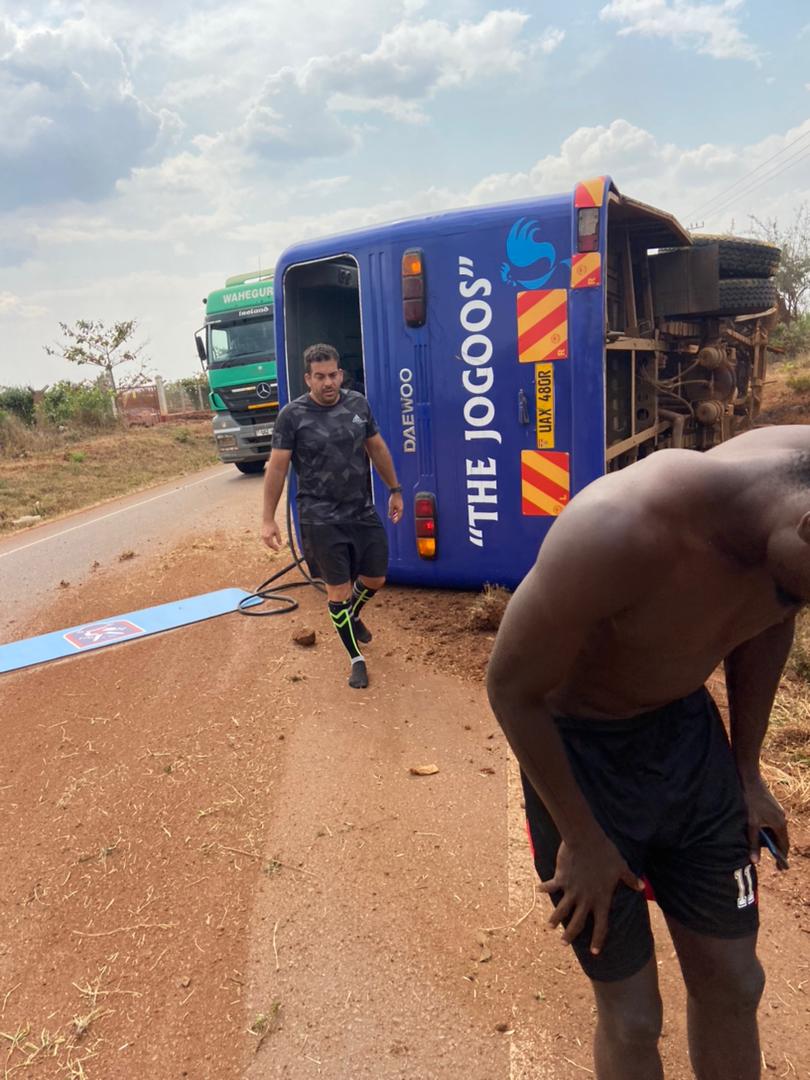
On a day that was meant to be routine travel, members of Uganda Premier League side SC Villa found themselves in a harrowing road accident, according to reports from CECAFA Online. The incident, which occurred today, has sent shockwaves through the Ugandan football community, highlighting the often-overlooked risks faced by players and staff during domestic travel. As the 2026/27 season approaches—with FUFA setting a return date as per CHIMP SPORT—this accident serves as a stark reminder of the logistical challenges that can derail even the most meticulously planned campaigns.
The Incident and Immediate Aftermath
Details remain scarce, but initial reports confirm that the SC Villa team bus was involved in an accident while en route. No fatalities have been reported, but the physical and psychological impact on the squad cannot be understated. Such events disrupt not only training schedules but also the tactical cohesion that managers rely on. For a club that recently topped the league standings in the 2014/15 season, as noted by African Football, any setback can have cascading effects on performance metrics like expected goals (xG) and shot-creating actions.
Impact on Pre-Season Preparations
SC Villa, like other top-tier clubs such as Vipers SC and KCCA FC, have been active in the transfer window, as reported by CHIMP SPORT. The accident threatens to disrupt the integration of new signings, a period when coaching staff typically focus on building understanding and fine-tuning tactical systems. Missed training sessions can lead to lower PPDA (passes per defensive action) efficiency and reduced shot-creating actions in the opening fixtures. For a team aspiring to challenge for the title, these lost hours are invaluable.
Broader Context: Travel Safety in Ugandan Football
This incident is not isolated. Ugandan clubs often travel long distances on roads with varying safety standards, a challenge that has been highlighted in the ongoing FUFA-Vipers dispute—a war that Express FC failed to win 41 years ago, as per The Observer. While the federation sets the calendar, it is clubs that bear the logistical burden. The accident underscores the need for better travel protocols and insurance coverage for players, whose careers can be jeopardised by factors beyond the pitch.
Conclusion
The SC Villa team accident is a somber reminder that football’s underlying metrics—xG, PPDA, and shot-creating actions—mean little if the players themselves are not safe. As the club assesses the physical and mental state of its squad, the focus must shift to recovery and resilience. For fans and analysts alike, this event should prompt a broader conversation about player welfare in the Ugandan Premier League. To stay ahead of such developments and access deeper tactical insights, Unlock VIP Analytics and gain an edge in understanding how off-pitch events shape on-pitch performance.
