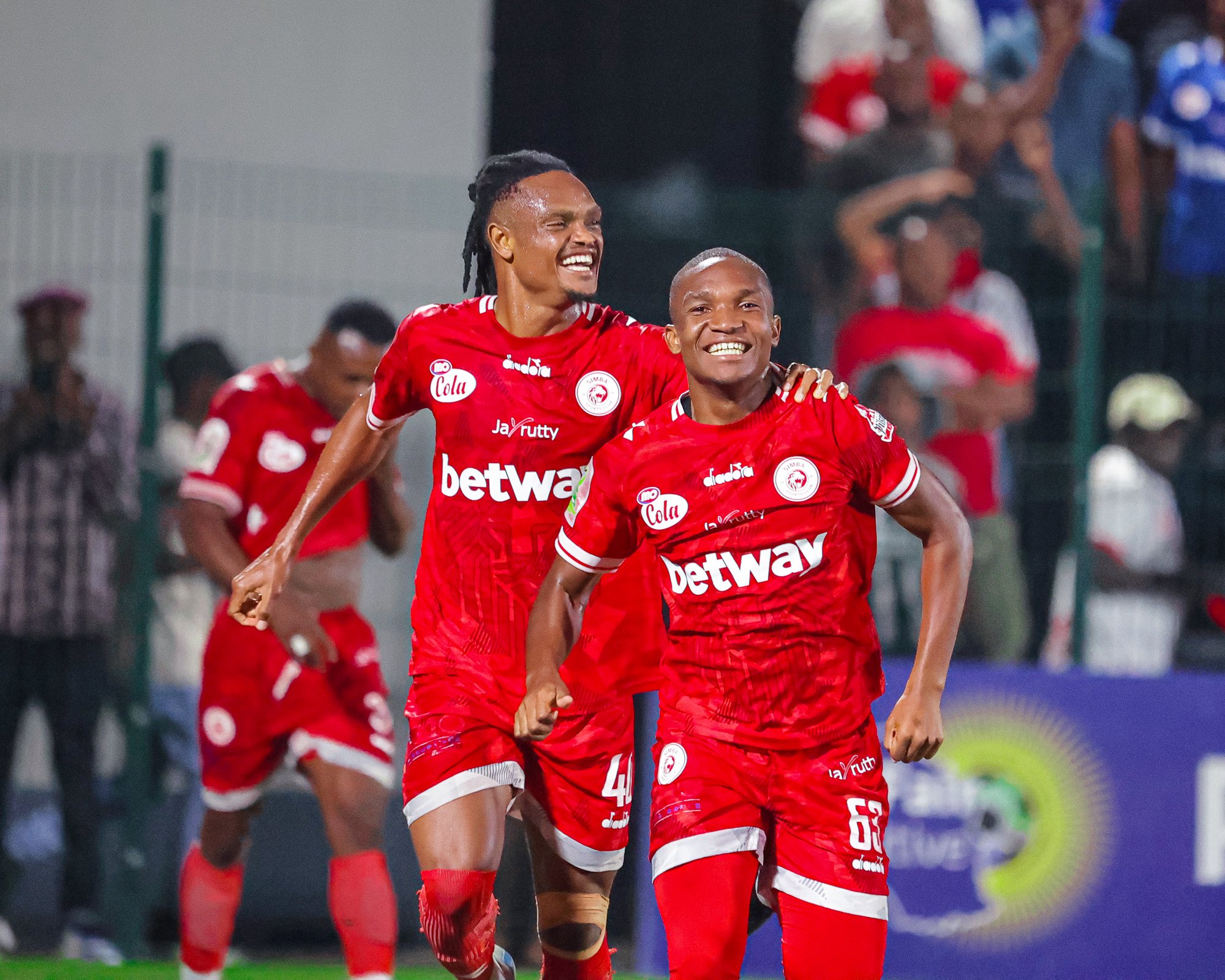
Tanzanian football giants Simba SC are set to make a long-awaited return to the Cecafa Kagame Cup after a seven-year absence, a move that insiders reveal is as much a financial calculation as a sporting ambition. The club, which last featured in the regional showpiece in 2017, is seeking to reclaim its position among East Africa’s elite while leveraging the competition to strengthen its balance sheet. With a squad overhaul already underway under head coach Steve Barker, Simba’s participation signals a strategic push to maximise commercial returns and player asset values.
The Business Case for Regional Revival
Simba’s absence from the Kagame Cup was largely due to a focus on domestic dominance and continental campaigns, but the club’s board now sees the tournament as a vital revenue stream. The competition offers prize money, broadcast exposure, and a platform to showcase players to international scouts. For a club that operates on a tight budget, the potential to sell players at a profit—through amortised transfer fees—is a key driver. Simba’s recent recruitment of experienced professionals under Barker suggests a deliberate strategy to build a squad that can compete immediately while maintaining resale value.
Amortisation and Wage Structure: Balancing the Books
Simba’s return comes amid careful financial planning. The club has been restructuring its wage bill to comply with Financial Fair Play (FFP) regulations, shifting from high base salaries to performance-based bonuses. This approach allows Simba to invest in player acquisitions without breaching cost controls. The Kagame Cup provides an opportunity to test this model: success could boost bonus payouts, but failure would keep costs low. Additionally, the club is exploring the sale of naming rights for the tournament, a move that would offset participation costs. For insights into how clubs manage player contracts and amortisation, visit SokaFundi’s Financial Modelling Tools.
Commercial Spin-Offs and Brand Value
The tournament also offers Simba a chance to expand its commercial footprint. Sponsorship deals and merchandise sales are expected to rise with regional visibility. The club has already secured a partnership with a Tanzanian telecom firm for the campaign, and further deals are in the pipeline. However, the financial success hinges on performance: a strong run could unlock bonuses from the Cecafa Secretariat, while early elimination would limit returns. Simba’s management is confident that the squad—bolstered by recent signings—can deliver both on the pitch and on the spreadsheet.
Conclusion
Simba SC’s return to the Kagame Cup is a calculated financial venture, blending sporting ambition with rigorous business planning. By optimising squad amortisation, restructuring wages, and pursuing commercial deals, the club aims to turn a regional campaign into a sustainable profit centre. Whether this gamble pays off will depend on results, but the strategy reflects a modern, data-driven approach to club management. For fans and investors alike, the Kagame Cup will be a litmus test of Simba’s financial resilience.
