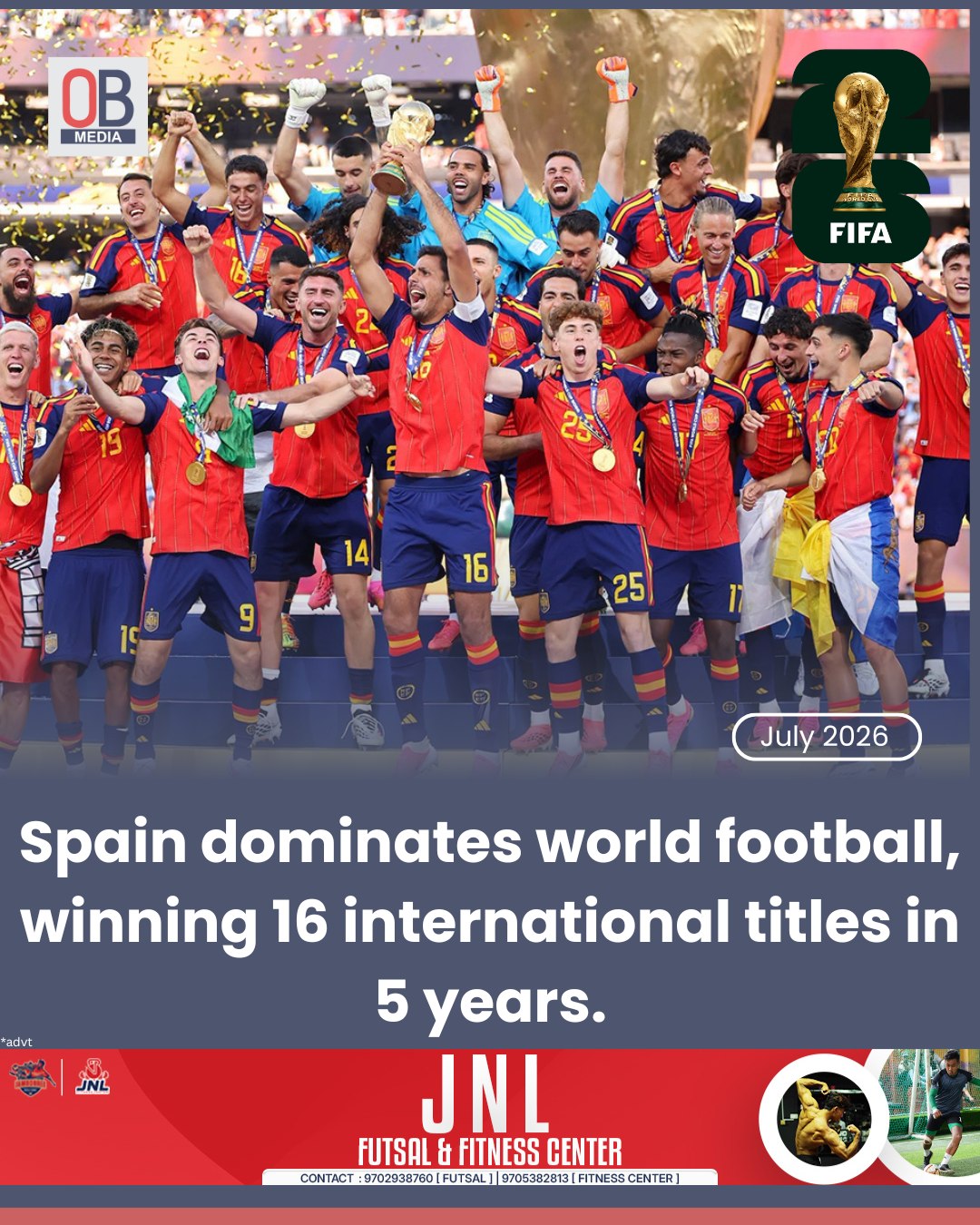
In the annals of football history, few nations have achieved the sustained excellence that Spain currently enjoys. As the first country to hold both the men's and women's World Cup titles simultaneously, La Roja have set a benchmark that rivals the great dynasties of the past. From the tiki-taka revolution to the modern blend of technical brilliance and tactical discipline, Spain's rise to dominance is a story of meticulous planning, cultural investment, and an unyielding commitment to a philosophy that transcends generations.
The Foundations of a Footballing Empire
Spain's golden era did not materialise overnight. It was built on the bedrock of the renowned La Masia academy and a national youth development system that prioritised technical skill over physicality. The 2008-2012 period, where Spain won two European Championships and a World Cup, was a precursor to the current run. However, the recent five-year spell—spanning from 2021 to 2026—has been even more prolific, with sixteen major trophies across men's, women's, and youth levels. This includes the 2023 Women's World Cup, the 2024 Olympic gold, and the 2026 Men's World Cup, where they defeated Argentina in a final described by many as 'a victory for football' over an 'embarrassing' opponent. The depth of talent is staggering: Rodri was named the best player at the 2026 World Cup, while Kylian Mbappé, though French, became the first player to win the Golden Boot twice, underscoring the quality of the tournament.
The Tactical Evolution: From Tiki-Taka to Total Control
While the possession-based style of the late 2000s remains iconic, the current Spain team has adapted to the modern game. Under the guidance of Luis de la Fuente and his predecessor, the team now blends patient build-up with direct verticality. The defence is marshalled by experienced campaigners like Aymeric Laporte, while the midfield—anchored by Rodri—offers both security and creativity. Upfront, a new generation of forwards, including Lamine Yamal and Álvaro Morata, provide goals and unpredictability. This tactical flexibility has allowed Spain to overcome diverse challenges, from high-pressing opponents to low blocks. For those looking to understand such tactical nuances, SokaFundi offers in-depth analysis tools that break down team strategies and player movements.
The Women's Game: A Parallel Revolution
Spain's dominance is not confined to the men's game. The women's national team, World Cup winners in 2023, have become a global powerhouse. Players like Alexia Putellas and Aitana Bonmatí have won Ballon d'Or awards, while the domestic league, Liga F, has grown in stature. The success is rooted in the same philosophy: technical excellence, tactical awareness, and a strong academy system. The federation's investment in women's football has paid dividends, creating a virtuous cycle of success that inspires the next generation.
Conclusion
Spain's sixteen titles in five years are a testament to a footballing culture that values long-term planning over short-term fixes. From the grassroots to the senior teams, the emphasis on skill, intelligence, and collective effort has created an era of unparalleled success. As the 2026 World Cup victory showed, Spain are not just a dominant force; they are the standard-bearers for how the beautiful game should be played. The future looks bright, and the rest of the world must now play catch-up.
