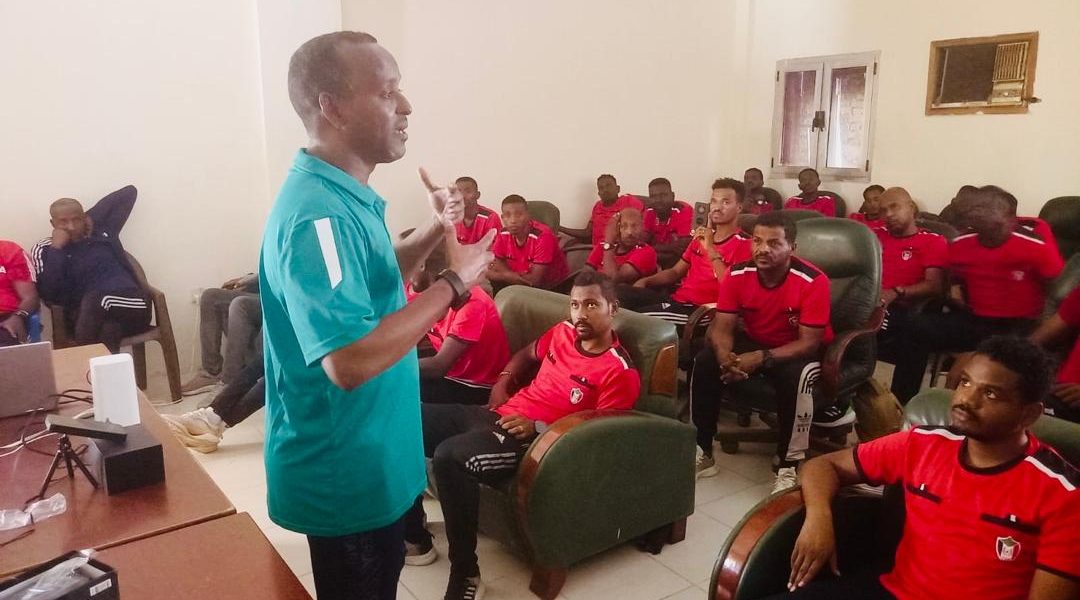
The Sudan Football Association (SFA) has resumed football development workshops in the capital Khartoum, marking a significant step in rebuilding the sport amid the country's devastating civil war. The workshops, organised in partnership with regional bodies, aim to revive coaching and administrative standards after years of disruption.
Return to the Capital
According to a report from the CECAFA website, the SFA conducted two workshops in Khartoum focusing on grassroots development and modern coaching methodologies. This initiative comes as Sudan's football community attempts to restore normalcy after the conflict forced many teams into exile. For instance, Al-Hilal, one of Sudan's top clubs, competed in Tanzania's Vodacom Premier League in 2024 to stay active (read more).
Workshop Details
The workshops covered:
Participants included representatives from Khartoum-based clubs and regional football associations. The SFA emphasised the need to rebuild the sport from the ground up, leveraging partnerships with organisations like CECAFA.
Broader Context
Sudan's football has suffered immensely due to the ongoing war. The national team, known as the Falcons, last made headlines when they eliminated Libya in the 2021 FIFA Arab Cup (source). However, the conflict has forced many players and officials to flee, with some, like student Amin Elsheikh, escaping to continue their education abroad (BBC report).
For coaches seeking to upskill in challenging environments, SokaFundi offers online courses in football management and tactics, providing accessible training materials for African football professionals.
Conclusion
The return of development workshops to Khartoum is a hopeful sign for Sudanese football. While the path to full recovery remains long, the SFA's efforts demonstrate resilience. Continued investment in coaching and infrastructure will be crucial to restoring the country's footballing glory.
