Introduction
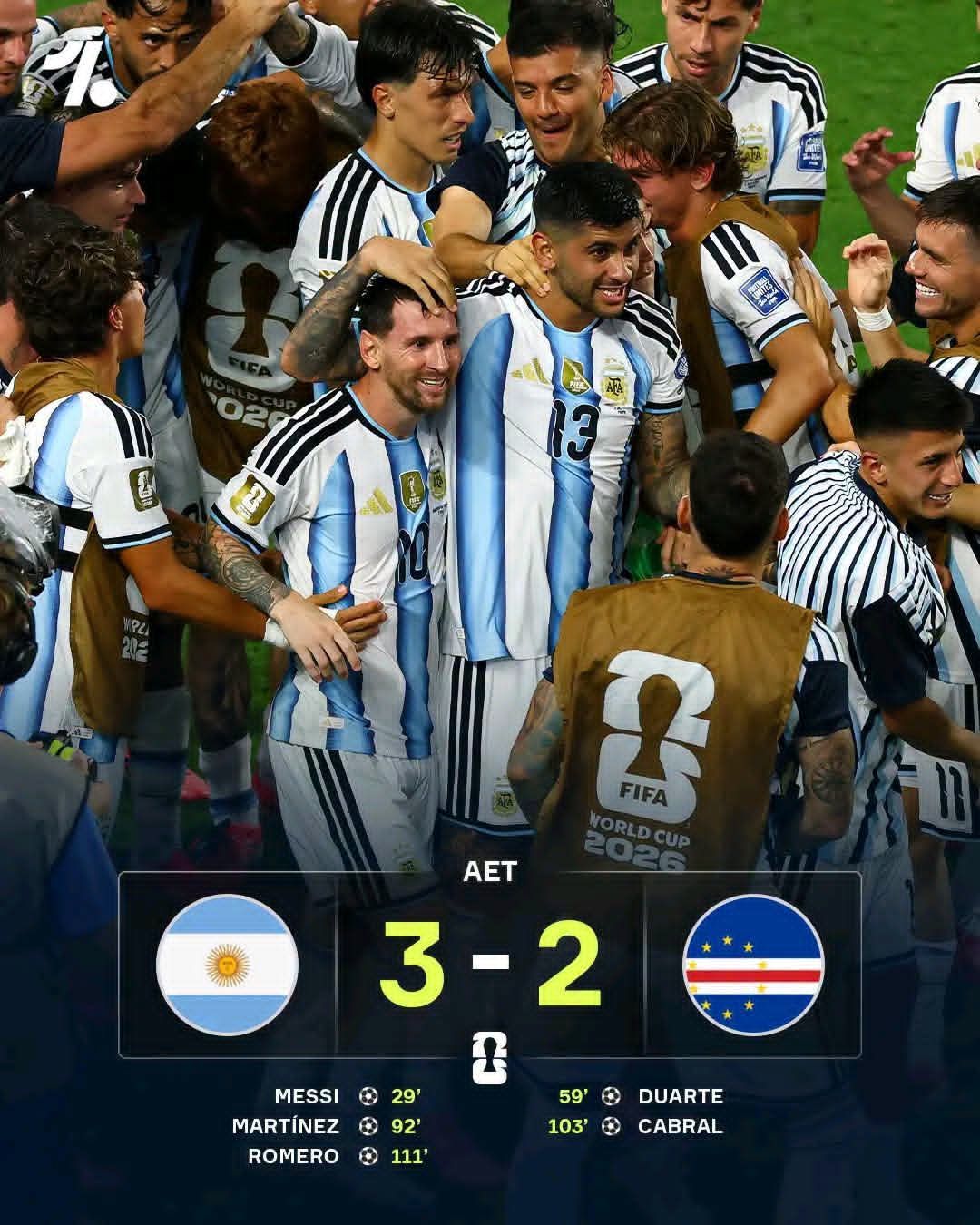
As the 2026 FIFA World Cup enters its knockout phase, all eyes turn to the Hard Rock Stadium in Miami for a fascinating round-of-32 tie between Argentina and Cape Verde. The defending champions, led by Lionel Messi, have shown tactical flexibility under manager Lionel Scaloni, often shifting between a 4-3-3 and a 4-2-3-1. Cape Verde, meanwhile, have surprised many with their organised 4-4-2 block, relying on quick transitions. This match presents a classic tactical puzzle: can Scaloni's side break down a compact low block, or will the Blue Sharks spring an upset?
In Possession: Argentina's Fluid Front Three
Argentina's primary attacking structure is a 4-3-3 that morphs into a 2-3-5 in advanced phases. Messi drops deep from the right flank, creating a temporary diamond in midfield. This draws out Cape Verde's left-back and opens space for right-back Nahuel Molina to overlap. The key challenge is Cape Verde's midfield discipline; their two central midfielders sit deep, protecting the back four. Argentina's interior passes—often from Enzo Fernández or Alexis Mac Allister—must be precise to unlock the lines. Expect Scaloni to instruct his full-backs to push high, creating a 3-2-5 shape that overloads the final third.
Out of Possession: Cape Verde's Defensive Solidity
Cape Verde set up in a 4-4-2 mid-block, with the two strikers pressing Argentina's centre-backs. Their pressing triggers are aimed at forcing play wide, where the full-backs receive support from wingers. The key numerical advantage they seek is in central midfield: their four midfielders outnumber Argentina's three, clogging passing lanes. However, this compactness can leave space in behind for Argentina's wingers. Cape Verde's transition plan relies on winning the ball and quickly finding their target man, who holds up play for runners. The Blue Sharks must avoid being stretched; their defensive shape is their greatest weapon.
Key Tactical Adjustments
Scaloni may consider introducing a second striker (e.g., Julián Álvarez) to create a 4-4-2 diamond, overloading the midfield. Alternatively, he could instruct his full-backs to invert, forming a 3-4-3 that pushes Messi into a central playmaker role. Cape Verde's manager, Bubista, will likely instruct his wingers to track back, forming a 4-5-1 when needed. The battle on the flanks is crucial: Argentina's wide overloads versus Cape Verde's double-teaming. Set pieces could also decide the tie; Argentina have conceded from corners in previous matches, while Cape Verde rely on their aerial prowess.
Conclusion
This round-of-32 clash is a test of Argentina's patience and Cape Verde's resilience. The defending champions have the individual quality to unlock any defence, but the Blue Sharks' tactical discipline could frustrate them. Scaloni's ability to adapt his formation—perhaps shifting to a 3-4-3 or 4-2-3-1—will be decisive. For Cape Verde, a moment of brilliance on the counter could be enough. Ultimately, Argentina's depth and experience should prevail, but expect a tight contest. For deeper tactical analysis, explore SokaFundi's match insights to see how formations evolve in real time. Watch the match live on Fox Sports (US) or BBC iPlayer (UK) at 6:00 p.m. ET. Check the full schedule for kick-off times in your region.
