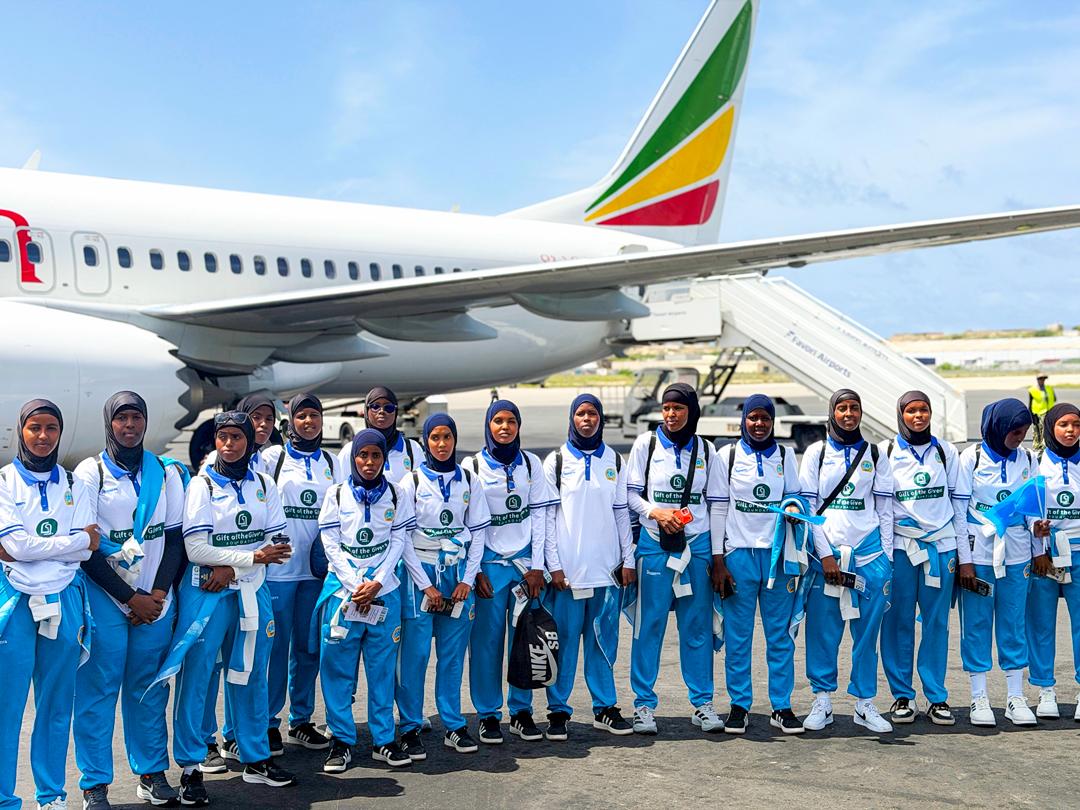
Tactical Evolution & Regional Rivalry at CECAFA U-17 Women's Championship
The CECAFA U-17 Women's Championship has emerged as a vibrant showcase of East Africa's footballing future. Beyond the raw passion and youthful exuberance, this tournament is a laboratory for tactical innovation and a theatre for regional rivalry. Coaches are no longer content with traditional kick-and-rush; instead, they are implementing structured pressing, fluid formations, and patient build-up play. This article dissects the tactical trends and the intense rivalries that define the championship.
The Rise of Structured Pressing Systems
One of the most notable tactical shifts is the widespread adoption of organised pressing. Teams like Kenya and Uganda have moved beyond chasing the ball aimlessly. They now employ coordinated pressing triggers, often starting from the front three. For instance, when the opposition goalkeeper plays a short pass to a centre-back, the Ugandan forwards quickly close down, forcing the defender into a rushed pass or a turnover.
This high press is not just about winning the ball; it’s about controlling space. Coaches are instructing their players to compress the field when out of possession, making it difficult for opponents to play through midfield. The Kenyan team, in particular, has shown discipline in their pressing structure, maintaining a compact shape that forces errors. Data from the tournament suggests that teams employing a high press have a 25% higher chance of creating scoring opportunities from turnovers in the final third.
However, the high press comes with risks. Teams that fail to coordinate can leave gaps in behind. Tanzania’s under-17 side has exploited this by using quick diagonal switches to bypass the press, catching opponents off guard. This tactical cat-and-mouse game highlights the evolving understanding of game management among young players.
Possession with Purpose: The Shift to Patient Build-Up
Another key trend is the emphasis on possession-based football. No longer is it acceptable to simply lump the ball forward. Teams are building from the back, with centre-backs splitting wide and full-backs pushing high. This approach requires technical proficiency and bravery on the ball—qualities that were once rare at this level but are becoming more common.
Uganda’s under-17 team has been particularly impressive in this regard. Their midfielders are comfortable receiving the ball under pressure and rotating positions to create passing lanes. The result is a more controlled game where they dictate the tempo. In their match against Ethiopia, Uganda completed 82% of their passes in the first half, a testament to their growing composure.
Yet, possession without penetration is futile. The best teams combine patient build-up with sudden acceleration. Kenya’s wingers have been instructed to stay wide and high, stretching the opposition defence. When the midfielders find space, they break lines with vertical passes, creating 1v1 situations out wide. This blend of patience and urgency is a hallmark of modern football and is now being taught at the youth level across East Africa.
Regional Rivalries: More Than Just a Game
The tactical evolution is intertwined with deep-rooted regional rivalries. The matches between Uganda, Kenya, and Tanzania are more than just football; they are a matter of national pride. The CECAFA region has a long history of competition, and this under-17 tournament is the breeding ground for future senior rivalries.
Uganda vs. Kenya: This is perhaps the fiercest rivalry. It transcends football, touching on cultural and economic competition. When these two meet at any level, the intensity is palpable. In the group stage, Uganda’s tactical discipline clashed with Kenya’s athleticism. The match was a chess game, with both sides refusing to cede ground. Uganda’s press caused Kenya problems early, but Kenya’s pace on the counter nearly stole the win. The 1-1 draw left both camps unsatisfied, fueling anticipation for a potential knockout clash.
Tanzania vs. Uganda: The Tanzanian team has traditionally been seen as the underdog, but they are rapidly closing the gap. Their tactical approach is less rigid, allowing for more individual expression. This has made them unpredictable and dangerous. In their recent encounter, Tanzania’s willingness to take risks—through dribbling and long-range shots—disrupted Uganda’s structured play. The rivalry is built on mutual respect and a desire to prove superiority. Tanzania’s coach has emphasized that beating Uganda is a benchmark for their progress.
Kenya vs. Tanzania: The coastal derby brings its own flavour. While not as intense as Kenya-Uganda, this rivalry is growing. Kenya’s systematic approach often contrasts with Tanzania’s flair. The matches are typically open and end-to-end, providing entertainment but also highlighting tactical differences. Kenya’s ability to maintain shape often gives them an edge, but Tanzania’s creativity can unlock any defence.
Coaching Influence and Local Development
The tactical evolution is largely driven by a new generation of coaches who are embracing modern methodologies. Many have undergone FIFA or CAF licensing courses, bringing back ideas from Europe and other parts of Africa. This knowledge transfer is crucial. Coaches are using video analysis during tournaments, breaking down opponents’ weaknesses, and adjusting game plans accordingly.
Local academies are also playing a role. In Kenya, the KCB Academy and others are introducing periodised training that includes tactical sessions from a young age. Uganda’s FUFA Technical Centre has implemented a curriculum that emphasises positional play and decision-making. These initiatives are bearing fruit, as players show a deeper understanding of spacing and timing.
However, challenges remain. Resources are limited, and many teams have minimal preparation time. Yet, the desire to learn is strong. Coaches in remote areas are using mobile phones to access coaching materials. This grassroots diffusion of knowledge is slowly raising the standard of play across the region.
Key Players to Watch
Several players have stood out tactically. Uganda’s central midfielder, Aisha Nakato, is the orchestrator. Her ability to receive the ball on the half-turn and distribute quickly makes Uganda’s attack tick. Kenya’s right winger, Grace Adhiambo, uses her speed to stretch defences, but also tracks back diligently—a sign of tactical awareness. Tanzania’s striker, Fatuma Salim, is a poacher in the box, but her movement off the ball creates space for others.
Defensively, Uganda’s centre-back pair have been rock solid, organizing the offside trap with confidence. Kenya’s goalkeeper has shown excellent reading of the game, sweeping behind a high line. These players are not just talented; they understand the tactical demands of modern football.
The Road Ahead
The CECAFA U-17 Women’s Championship is more than a competition; it is a window into the future of African women’s football. The tactical evolution observed here—structured pressing, patient build-up, and positional interchange—is becoming the norm. Regional rivalries ensure that every match is fought tooth and nail, accelerating the learning curve for players and coaches.
As the tournament progresses, the tactical battle will intensify. The team that can balance organization with creativity will likely prevail. But regardless of the winner, the region’s football is evolving. Young women are not just playing; they are thinking the game. That is the real victory.
Key Takeaways
- The CECAFA U-17 Women's Championship is seeing a shift from traditional football to modern tactics like structured pressing and possession-based play.
- Regional rivalries, especially between Uganda, Kenya, and Tanzania, add intensity and emotional stakes, driving higher performance.
- Coaches and local academies are pivotal in this tactical evolution, implementing modern methodologies despite resource constraints.
