Introduction
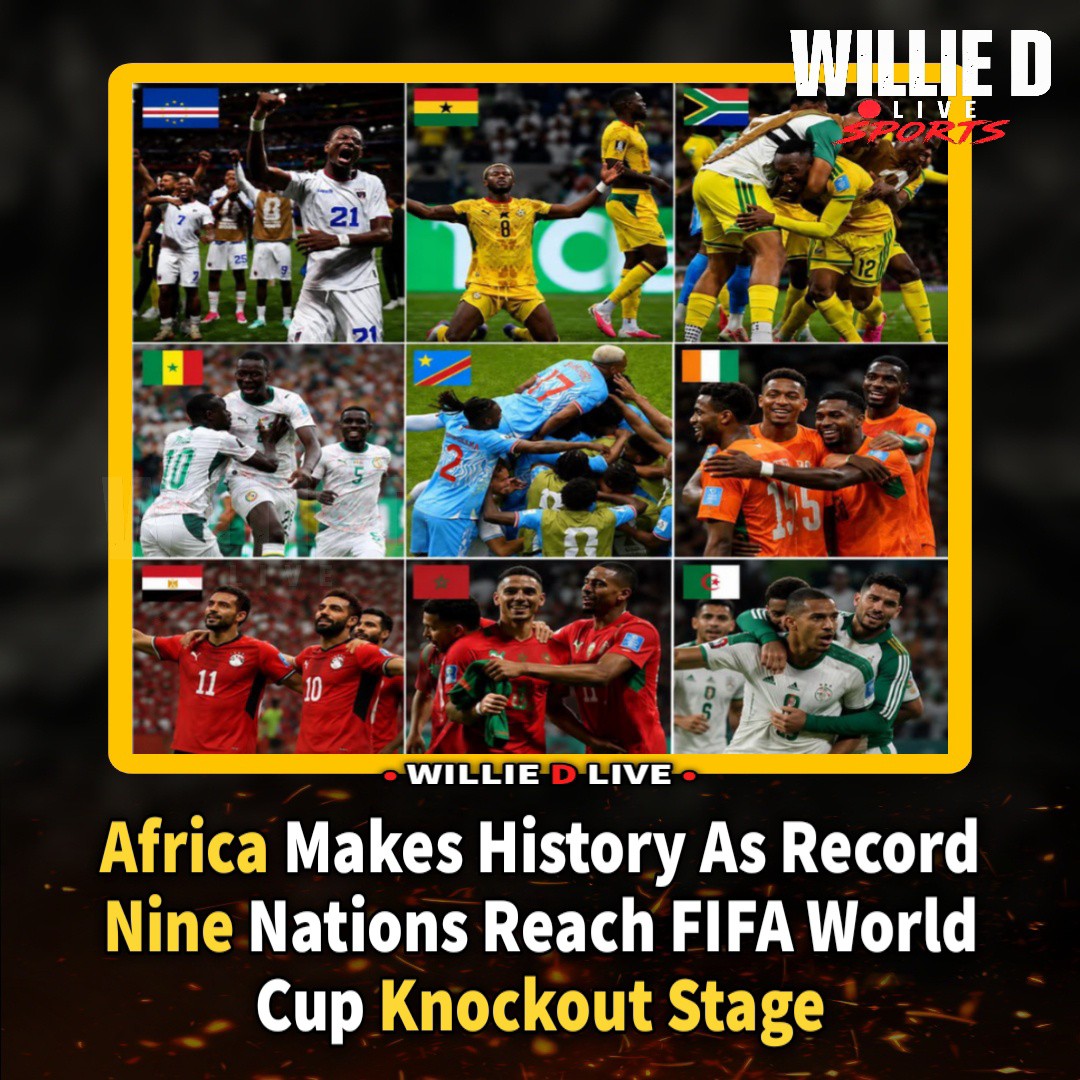
In a landmark achievement for African football, nine national teams from the continent have qualified for the Round of 32 of the FIFA World Cup 2026—the first time 90% of Africa's representatives have advanced from the group stage. CAF President Dr Patrice Motsepe lauded this historic success, attributing it to strategic investments in youth development, coaching, and infrastructure. This tactical breakthrough signals a shift in how African sides approach the global stage, moving from reactive defending to proactive, structured systems.
The Tactical Evolution: From Defence to Dynamic Systems
African teams have traditionally relied on individual brilliance, but the 2026 cohort showcases a collective tactical maturity. Dr Motsepe emphasised that "hard work and investment in youth, coaching and infrastructure" have been pivotal. Teams like Senegal and Morocco, for instance, employ compact defensive blocks with rapid transitions, while Nigeria and Egypt use high-pressing systems to force turnovers. The shift towards structured formations—such as 4-3-3 and 3-5-2—has allowed African sides to maintain numerical superiority in midfield and exploit spaces behind opposition defences.
Pressing Triggers and Numerical Superiority
A key tactical observation is the use of coordinated pressing triggers. African teams now press in waves, often triggered by a misplaced pass or a backward header from the opponent. For example, Ghana's front three initiate pressure on the centre-backs, while the midfield shifts to cut passing lanes, creating numerical overloads in wide areas. Dr Motsepe noted that this disciplined approach has reduced defensive errors and increased goal-scoring opportunities. The ability to sustain high-intensity pressing for 90 minutes reflects improved fitness and tactical discipline.
Investment in Youth and Infrastructure
Dr Motsepe's congratulatory message highlighted the role of long-term planning: "Africa's success is a testament to the continent's investment in youth academies and modern training facilities." This investment has borne fruit, with players from African academies now featuring in top European leagues and bringing back tactical knowledge. The CAF President's full statement underscores the importance of these foundations. Additionally, the success of African teams has inspired a new generation of tactically aware players.
Conclusion
The qualification of nine African teams to the World Cup Round of 32 is a watershed moment, driven by tactical evolution and strategic investment. Dr Motsepe's praise reflects a continent that has moved beyond reliance on individual talent to embrace structured systems and collective discipline. As these teams prepare for the knockout stages, their tactical flexibility—switching between defensive resilience and attacking fluidity—will be crucial. African football has announced its arrival as a tactical powerhouse on the world stage.
For deeper tactical analysis and to track your favourite teams' progress, explore SokaFundi's advanced analytics for real-time insights and match breakdowns.
