The 2026 FIFA World Cup, a tournament that began with 48 nations and a cacophony of hope, has distilled itself into a single, shimmering confrontation. When the dust settled on a pair of gripping semi-finals, only two titans remained: the defending champions Argentina, led by the immortal Lionel Messi, and the tiki-taka artisans of Spain, 2010 winners seeking to reclaim their throne. This final, to be played at MetLife Stadium in New Jersey, promises to be a fitting capstone to a competition that has redefined the modern game.
The Road to the Final
The semi-finals delivered the drama that the world craved. In the first, Spain dispatched France with a composed 2-0 victory, a result that underscored their tactical evolution under Luis de la Fuente. The Spanish, long admired for their possession football, have added a ruthless edge, as evidenced by their clinical finishing against a French side that had previously looked invincible.
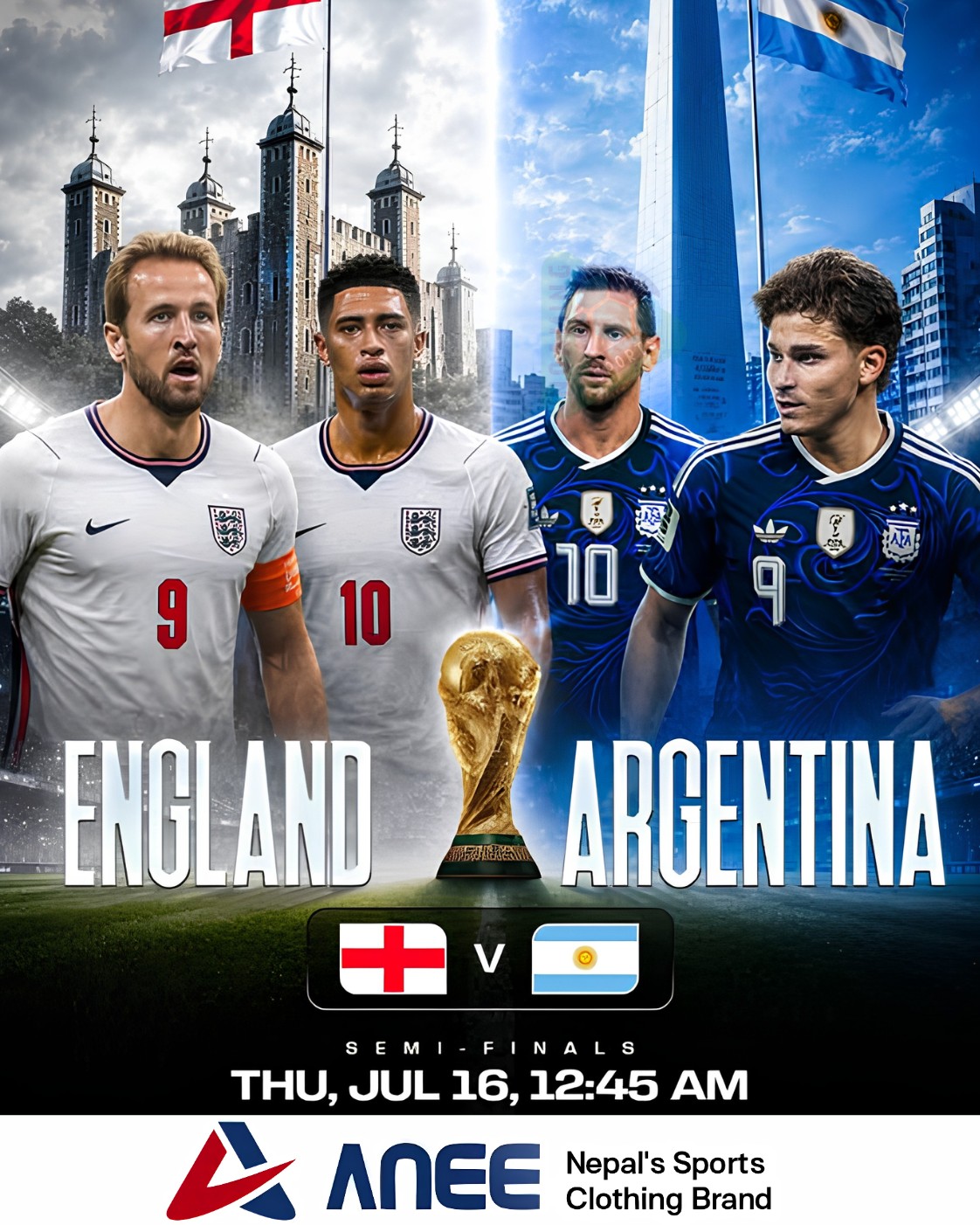
The second semi-final was a saga in itself. England, buoyed by a fervent support and a resurgent Jude Bellingham, took an early lead through Harry Kane, silencing the Argentine faithful. Yet, as they have done throughout this tournament, Argentina refused to yield. Inspired by Messi, who orchestrated the comeback with a sumptuous assist and a penalty, the Albiceleste roared back to win 2-1. It was a result that confirmed their resilience and hunger for back-to-back titles.
The Tactical Battle Ahead
As the final approaches, analysts are poring over the tactical nuances. Spain’s midfield trio of Pedri, Gavi, and Rodri has been the tournament’s most dominant unit, controlling games with a precision that evokes the golden era of 2008-2012. Argentina, however, possess the ultimate wildcard in Messi, whose genius can dismantle any defence. The key may lie in the flanks, where Argentina’s Nicolás Tagliafico and Nahuel Molina must contain Spain’s overlapping full-backs. For deeper tactical insights, explore SokaFundi's advanced analysis tools to see how these teams match up.
A Tournament of Firsts
The 2026 edition has been historic for reasons beyond the final. For the first time, the tournament featured 48 teams, with the group stage giving way to a round of 32. This expanded format brought new narratives: Morocco reached the quarter-finals, while the United States and Canada both advanced past the group stage, signalling the rise of North American football. The tournament also saw record attendances and a surge in global viewership, proving that the beautiful game’s appeal knows no bounds.
Conclusion
The 2026 World Cup final is more than a match; it is a collision of philosophies, a testament to the enduring romance of football. Whether Argentina complete their dynasty or Spain reclaim their crown, the world will be watching. As the players take the pitch, they carry not just their nations’ hopes, but the weight of a tournament that has celebrated the sport’s past while embracing its future. For those who wish to delve deeper into the statistics and stories, SokaFundi's comprehensive match reports offer unparalleled detail. The final whistle will blow, but the legacy of this World Cup will echo for generations.
