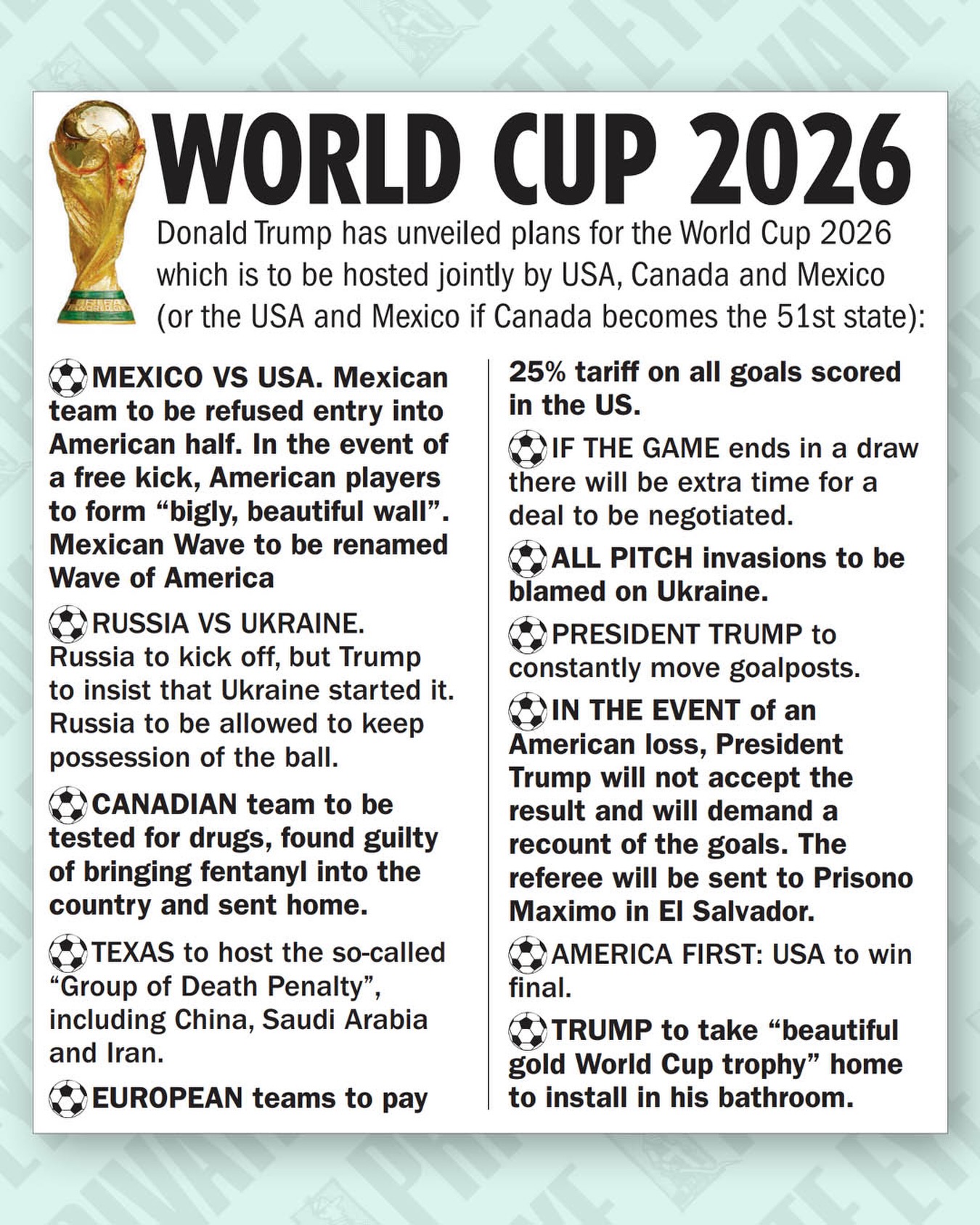
In the annals of football history, few tournaments have arrived with such a blend of promise and peril as the 2026 FIFA World Cup, co-hosted by the United States, Canada, and Mexico. As the first 48-team edition, it was always destined to be a spectacle of unprecedented scale. Yet, as the opening matches unfolded, the tournament found itself embroiled in controversies that tested the very fabric of the sport. From visa disputes to political grandstanding, the world’s greatest show has become a mirror reflecting the complexities of our time.
A Continent United, Yet Divided
The decision to award the World Cup to the North American trio was hailed as a triumph of continental unity. However, the reality on the ground has been far more fractious. In Los Angeles, where the USA faced Paraguay, fans expressed a mix of euphoria and frustration. The Al Jazeera report captured the mood: 'Fans in FIFA World Cup host city Los Angeles criticise the organisers and travel policies but are eager for the action.' The Trump administration’s stringent immigration policies have created hurdles for supporters from certain nations, casting a shadow over the tournament’s inclusive ideals. Yet, the passion for the game remains undimmed, as thousands flock to stadiums draped in flags and dreams.
Infantino’s Plea for Patience
FIFA President Gianni Infantino, ever the optimist, took to the podium in Mexico City to appeal for calm. As reported by the Los Angeles Times, he urged 'patience in the face of a series of crises,' including ticketing chaos and visa backlogs. His words, however, did little to quell the discontent among fans who faced exorbitant prices and logistical nightmares. The BBC’s analysis of the key issues noted that Infantino had described this World Cup as 'simply the greatest event that humanity, that mankind, has ever seen.' Such hyperbole seems at odds with the ground-level reality, where many are left feeling like spectators in their own celebration.
The Political Football
No discussion of this World Cup is complete without acknowledging the elephant in the room: Donald Trump. The former president, now back in the White House, has used the tournament as a backdrop for his political agenda. In a recent press conference, he pressed Congress to renew a surveillance law, as reported by The New York Times. While not directly related to football, such actions have fuelled a narrative of a nation divided. Yet, the beautiful game has a way of transcending politics. In the stands, Americans, Canadians, and Mexicans cheer side by side, a testament to sport’s unifying power.
On the Pitch: Drama and Controversy
Amid the off-field turmoil, the football itself has delivered moments of pure drama. Belgium’s extra-time victory over Senegal, sealed by a controversial penalty from Youri Tielemans, ignited debates over refereeing standards. The match, as covered by Sky Sports, encapsulated the high stakes and fine margins that define World Cup football. Such incidents remind us that, for all the noise outside, the essence of the tournament lies in the 90 minutes on the pitch.
For those seeking deeper tactical analysis and historical context, SokaFundi offers unparalleled insights into the game’s rich tapestry.
Conclusion
As the World Cup 2026 progresses, it remains a testament to football’s enduring appeal. Despite the political machinations, logistical nightmares, and occasional controversies, the tournament has captivated billions. It is a reminder that, in the words of the great Nelson Mandela, sport has the power to change the world. Whether this World Cup will be remembered for its football or its follies remains to be seen. But one thing is certain: the beautiful game endures, a beacon of hope in a fragmented world.
