Introduction
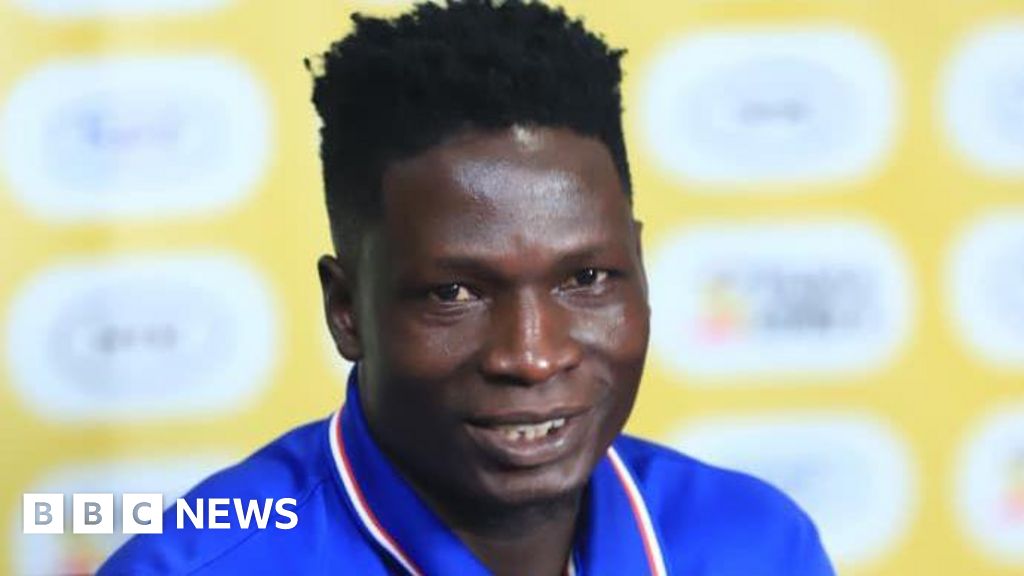
The footballing world was plunged into mourning on August 6, 2026, when Uganda Cranes and SC Villa captain David Owori succumbed to injuries sustained in a brutal robbery near his home in Kampala. The 27-year-old midfielder, renowned for his tactical intelligence and leadership, was attacked by robbers armed with paving stones as he resisted the theft of his phone. This tragic incident not only robs Ugandan football of one of its finest talents but also underscores the fragility of life beyond the pitch. In this article, we examine Owori's tactical contributions, the pressing triggers he orchestrated, and the numerical superiority he helped create, while also reflecting on the broader implications for player safety in Uganda.
In Possession: Owori's Role as the Metronome
Owori was the fulcrum of SC Villa's midfield, dictating tempo and orchestrating attacks with a composure that belied his age. His positional awareness allowed him to receive the ball in half-spaces, drawing opponents out of shape and creating passing lanes for his teammates. Under the guidance of his manager, Owori operated as a deep-lying playmaker, often dropping between the centre-backs to initiate build-up play. This tactical shift enabled SC Villa to bypass the first line of pressure, with Owori's crisp distribution serving as the catalyst for offensive transitions. His ability to switch play with pinpoint accuracy stretched opposition defences, creating numerical superiority in wide areas.
Out of Possession: Pressing Triggers and Defensive Solidity
Defensively, Owori was equally influential. His pressing triggers were meticulously drilled in training, with the midfielder often initiating the press when the opposition centre-back received the ball with his back to goal. Owori's aggressive closing down forced errors, and his tactical fouls, though occasionally costly, disrupted counter-attacks. His leadership in organising the midfield block ensured that SC Villa maintained a compact shape, limiting spaces between the lines. In the national team, Owori's role was more conservative, sitting in front of the back four to provide cover and screen passes into the strikers. His absence will be keenly felt in these tactical setups, leaving a void that will be difficult to fill.
The Tactical Battle Beyond the Pitch
The tragic circumstances of Owori's death highlight a different kind of tactical battle—one against urban crime. The robbers, armed with paving stones, exploited the element of surprise, a stark reminder that footballers are vulnerable off the pitch. This incident has sparked outrage and grief across Uganda, with fans and players alike calling for increased security measures. As the nation mourns, it is essential to reflect on the systemic issues that allowed such a tragedy to occur. The footballing community must unite to demand better protection for its athletes, ensuring that their contributions on the pitch are not overshadowed by senseless violence off it.
For those seeking to understand the tactical nuances that Owori brought to the game, platforms like SokaFundi offer in-depth analysis and tools to dissect such performances. While we remember Owori's legacy, we must also look to the future, nurturing the next generation of Ugandan talent. His death is a stark reminder of the fragility of life, but his tactical brilliance will inspire many.
Conclusion
David Owori's death is a profound loss for Ugandan football. His tactical acumen, leadership, and dedication to the sport were evident in every performance. As we reflect on his contributions, we must also address the safety concerns that plague players in Kampala and beyond. The footballing community must come together to ensure that such tragedies are prevented, honouring Owori's memory through action. His legacy will endure, both in the memories of those who watched him play and in the tactical frameworks he helped execute. Rest in peace, captain.
