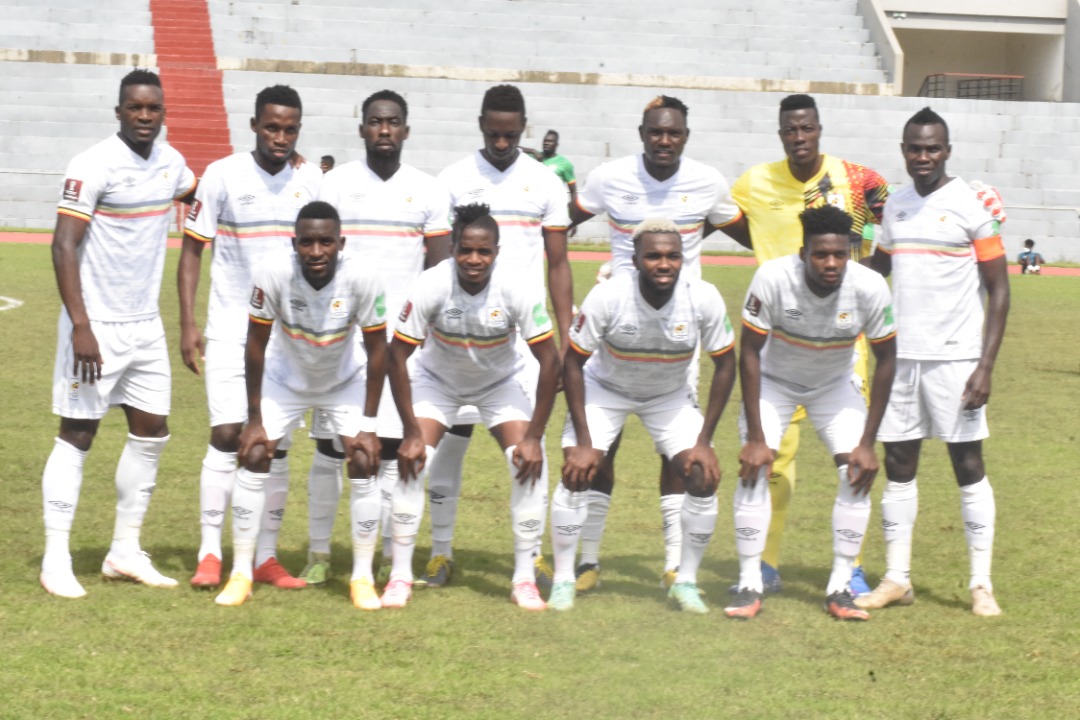
Uganda maintains its regional dominance in the latest FIFA rankings, a testament to the tactical discipline instilled by the national team setup. Although the Cranes slipped two places to 86th globally in the September 16th update, they remain the highest-ranked side in the CECAFA region and 18th on the continent. This positional stability reflects a system that prioritises defensive organisation and transitional efficiency, even as other regional peers experience fluctuations.
In Possession: Control Through Structure
Uganda's tactical identity under the current regime hinges on a compact 4-4-2 shape that morphs into a 4-2-3-1 in possession. The double pivot provides numerical superiority in central areas, allowing full-backs to push high and create overloads wide. This approach ensures that Uganda dictates tempo in regional clashes, often suffocating opponents through sustained pressure. The ranking data underscores how this systematic control translates into consistent results, even when global ranking points fluctuate due to match schedules.
Out of Possession: Pressing Triggers and Compactness
Defensively, Uganda employs a mid-block with specific pressing triggers when the opposition plays into central midfield. The two strikers work in tandem to close passing lanes, forcing play into wide areas where the full-backs can compress space. This structure has made Uganda notoriously difficult to break down in CECAFA competitions, contributing to their top regional status. The latest FIFA rankings validate this approach, as Uganda's defensive metrics in competitive fixtures remain superior to regional rivals.
Transition: Exploiting Spaces
Uganda's effectiveness in transition is a key tactical pillar. Upon regaining possession, the team quickly releases runners into the half-spaces, often bypassing midfield with vertical passes from the centre-backs. This direct style catches opponents off guard and has been instrumental in maintaining their regional dominance. The ranking stability suggests that this transitional phase is well-drilled, allowing Uganda to compete effectively even when facing higher-ranked African sides.
Conclusion
Uganda's continued top spot in CECAFA, despite a minor global drop, highlights the strength of their tactical system. The blend of possession control, organised pressing, and swift transitions forms a blueprint that other regional teams struggle to counter. As the Cranes prepare for upcoming qualifiers, maintaining this tactical identity will be key to building on their ranking position. For deeper analysis of Uganda's tactical evolution, explore SokaFundi for exclusive breakdowns. The data from the latest FIFA rankings confirms that Uganda's regional supremacy is no accident—it is the product of a well-executed tactical plan. Read more about regional football trends at CECAFA Online. The consistency in their approach sets a benchmark for other CECAFA nations to aspire to.
