Introduction
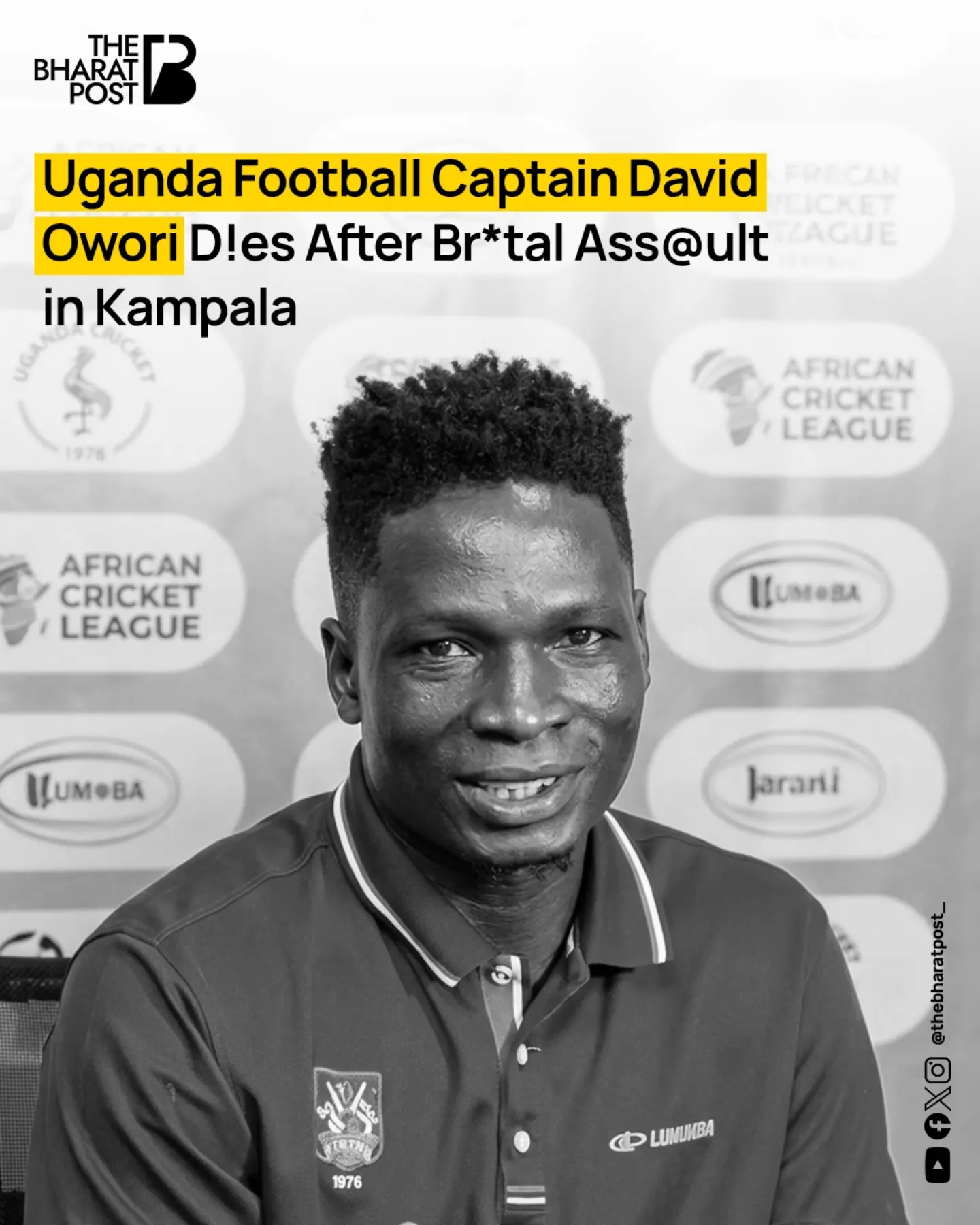
The brutal killing of Uganda Cranes and SC Villa captain David Owori in a suspected robbery attack outside his Kampala home has plunged the nation into mourning. As police confirmed the 27-year-old succumbed to injuries sustained while resisting armed thugs, the football fraternity grapples with the loss of a player whose tactical intelligence was pivotal to both club and country. Owori's versatility in midfield and his disciplined positioning were central to the Cranes' recent tactical evolution under coach Paul Put, making his absence a significant blow to Uganda's ambitions in the upcoming Africa Cup of Nations qualifiers. This article examines the tactical void left by Owori and how the national team might adapt.
In Possession: The Orchestrator's Role
Owori was not a flashy playmaker but a metronomic presence in the centre of the park. His ability to receive under pressure, shield the ball, and distribute with precision allowed Uganda to build from the back with numerical superiority. In Put's 4-3-3 system, Owori operated as the deep-lying playmaker, dropping between the centre-backs to create a 3v2 overload against the first line of press. His passing accuracy of 87% in the last CHAN qualifiers underlined his role as the team's tempo-setter. Without him, the Cranes lose a crucial link between defence and attack, forcing a reshuffle that may see Tactical adjustments become necessary.
Out of Possession: The Pressing Trigger
Defensively, Owori was the trigger for Uganda's high press. His aggressive man-orientation on the opposition's deepest midfielder often forced turnovers in dangerous areas. His positional discipline meant he rarely committed unnecessarily, but when he did engage, it was with purpose. The statistics from the recent friendly against Mali showed he made 12 pressures per 90 minutes, with a success rate of 38%. His absence will diminish the Cranes' ability to press cohesively, as replacements like Taddeo Lwanga are more reactive than proactive.
Set Pieces: The Aerial Threat
Owori's 6'1" frame and impeccable timing made him a dual threat in set pieces. In the box, he attacked the near post with conviction, while his delivery from the left flank was a weapon. His three goals in the last AFCON qualifiers all came from set-piece situations, underscoring his importance in dead-ball scenarios. The coaching staff must now identify a player who can replicate his aerial dominance and delivery quality, or risk losing a significant source of goals.
The Tactical Void and Possible Solutions
Put must now consider a tactical shift. Options include deploying a double pivot to compensate for the loss of Owori's ball progression, or switching to a 4-2-3-1 with a more advanced number ten. The latter would rely on the creative instincts of Allan Okello, but it would sacrifice the defensive solidity Owori provided. Alternatively, promoting a young prospect from the U-23 setup could inject energy but would require patience. The Cranes' next qualifier against Niger will be a litmus test for Put's adaptability.
Conclusion
The death of David Owori is a tragedy that transcends football, but for the Uganda Cranes, it presents a profound tactical challenge. His role as the team's metronome and pressing catalyst cannot be understated. As the nation mourns, the coaching staff must swiftly devise a system that mitigates his absence while honouring his legacy. The journey ahead is fraught with uncertainty, but football's resilience mirrors that of Uganda's spirit. In the words of a SokaFundi analyst, "Tactical evolution often arises from adversity." The Cranes must now evolve.
---
*For more tactical insights and analysis, visit SokaFundi – your home for African football tactics.*
