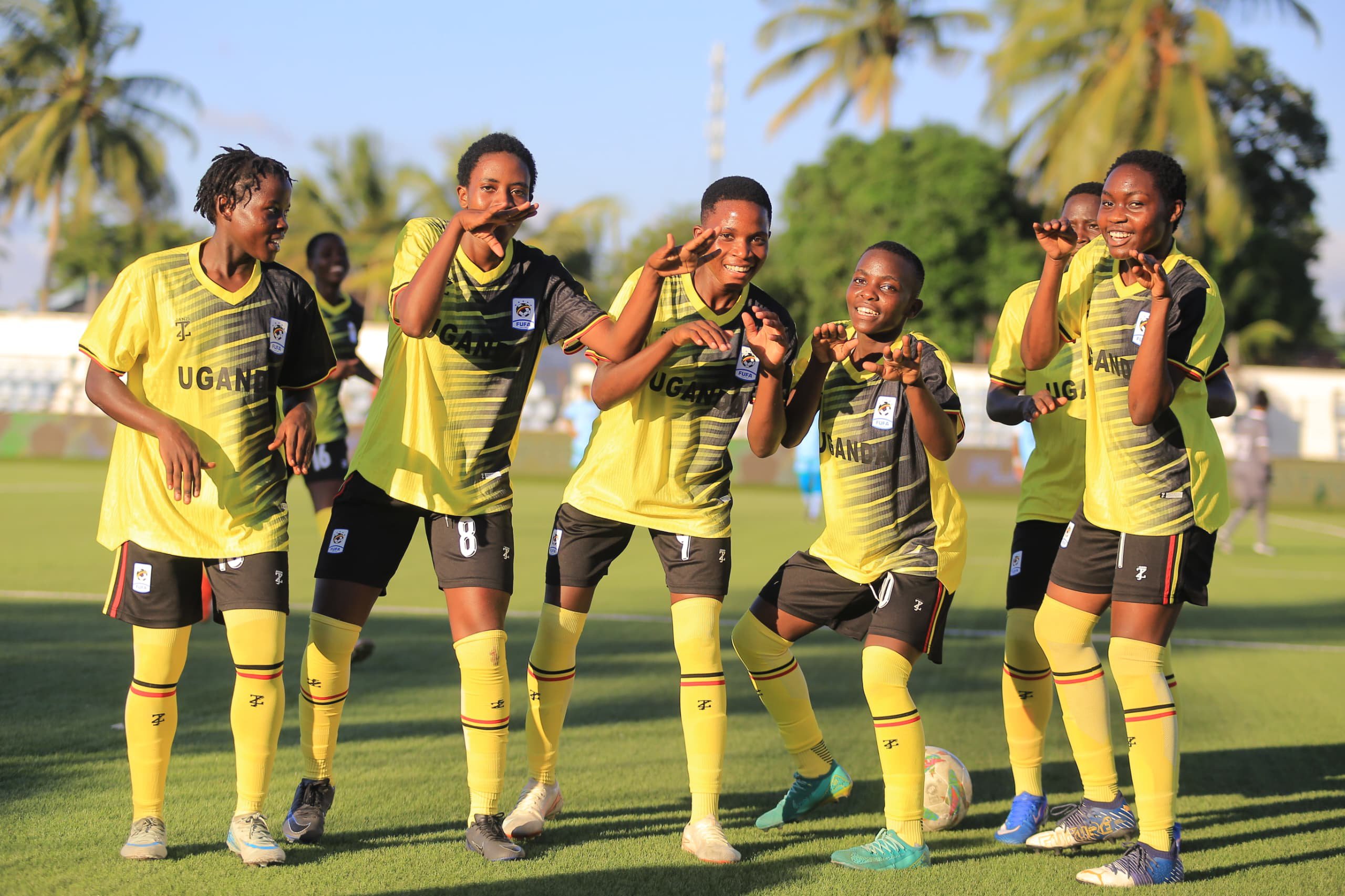
Uganda and South Sudan have laid down early markers in the 2026 CECAFA U-17 Women's Championship, triumphing in their respective Group B openers in Dar es Salaam, Tanzania. The victories not only boost their semi-final prospects but also signal growing investment in women's youth football across the region, with potential long-term financial returns for federations and clubs.
The Business of Youth Development
For Uganda, the Crane Teens' win reflects a strategic focus on grassroots talent, a move that could yield dividends through player sales and tournament prize money. South Sudan, meanwhile, continues to build its football infrastructure, with this championship offering exposure for young talents to attract scouts from European clubs. The financial stakes are rising as CECAFA tournaments increasingly draw interest from agents and academies.
Financial Implications and FFP
From a fiscal perspective, success in regional tournaments can alleviate pressure on national associations' budgets. For Uganda, a deep run could unlock additional funding from FUFA's development programmes, while South Sudan's federation might leverage this performance to secure sponsorships. Under FIFA's Financial Fair Play guidelines for member associations, such achievements justify investment in women's football, which historically lags in revenue generation.
Wage Structures and Player Value
The championship also highlights the disparity in wage structures across the region. Ugandan players, though not highly paid domestically, gain market value through international exposure. South Sudan's squad, largely amateur, could see contract upgrades if they progress. For clubs like Yei Joint Stars, whose captain Ayikoru emphasised serious intent, these tournaments are crucial for player valuation.
Conclusion
Uganda and South Sudan's opening victories underscore the commercial potential of the CECAFA U-17 Women's Championship. As the semi-finals approach, the focus shifts to how these wins translate into financial gains for the federations. With proper management, the tournament could become a key pipeline for talent and revenue, reinforcing the business case for women's youth football in East Africa.
For deeper analysis of transfer market trends and youth development strategies, visit SokaFundi for expert insights and data-driven reports.
