Introduction
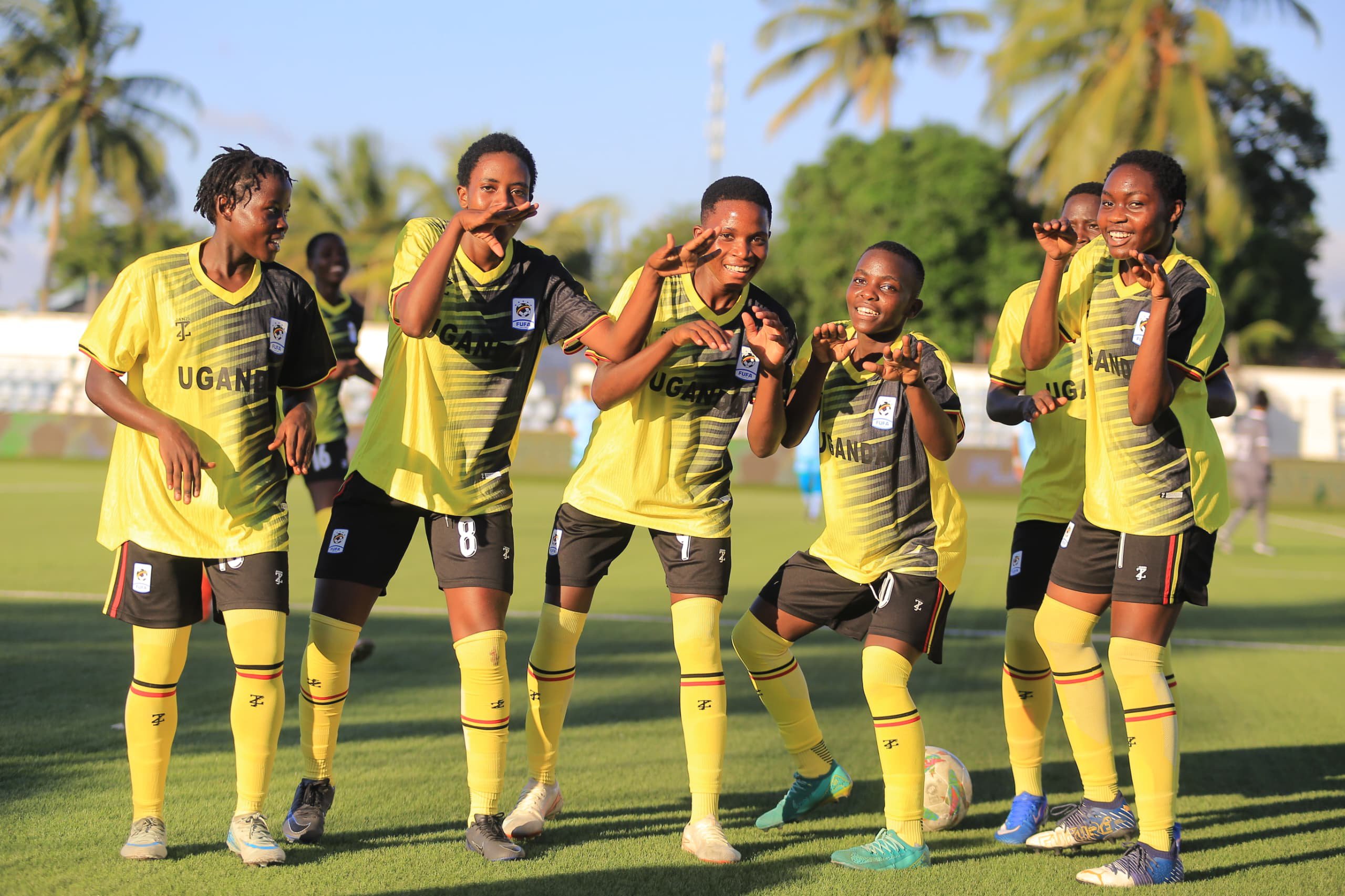
Uganda and South Sudan began their Group B campaigns in the CECAFA U-17 Women's Championship with commanding victories, highlighting the growing tactical maturity in youth women's football across the region. The Uganda Crane Teens, deploying a fluid 4-3-3 system, overwhelmed their opponents with high pressing and quick transitions, while South Sudan's compact 4-4-2 shape frustrated their rivals. This article dissects the tactical nuances behind these triumphs, focusing on the managers' approaches to in-possession and out-of-possession phases.
In Possession: Uganda's Fluid Attack
Uganda's head coach set up his side in a 4-3-3 formation that often morphed into a 2-3-5 when building from the back. The full-backs pushed high, creating numerical superiority in wide areas. The midfield trio, anchored by a deep-lying playmaker, rotated positions to overload the central channels. This fluidity allowed the Crane Teens to progress the ball quickly through the thirds, with the wingers cutting inside to combine with the striker. According to CECAFA Online, Uganda's ability to switch play rapidly stretched the opposition defence, creating gaps for through balls.
Out of Possession: South Sudan's Defensive Solidity
South Sudan, in contrast, adopted a more conservative 4-4-2 block, prioritising defensive compactness. Their pressing triggers were activated when the opponent played square passes across the backline, forcing play into congested central areas. The two strikers worked tirelessly to cut off passing lanes to the midfield, while the full-backs tucked in to prevent crosses. This structure limited the opposition's chances and allowed South Sudan to break with pace, exploiting spaces left by advancing full-backs. The team's discipline was evident in their ability to maintain shape for long periods, a testament to their tactical preparation.
Transition Moments: Key to Victory
Both Uganda and South Sudan excelled in transition, particularly when winning the ball in midfield. Uganda's counter-attacks were swift, with the wide players providing immediate width. South Sudan's transitions were more direct, often bypassing midfield to target the striker's runs in behind. These moments of transition were decisive, as the teams capitalised on defensive disorganisation to score crucial goals. For deeper analysis of transition patterns, consider using SokaFundi to track pressing triggers and counter-attack efficiency.
Conclusion
The victories of Uganda and South Sudan in the CECAFA U-17 Women's Championship underscore the importance of tactical flexibility and defensive organisation. Uganda's fluid attacking system overwhelmed opponents, while South Sudan's disciplined block and counter-attacking prowess proved effective. As the tournament progresses, both teams will need to adapt their systems against stronger opposition. The tactical foundations laid here bode well for the future of women's football in the region, with young players demonstrating a sophisticated understanding of the game.
