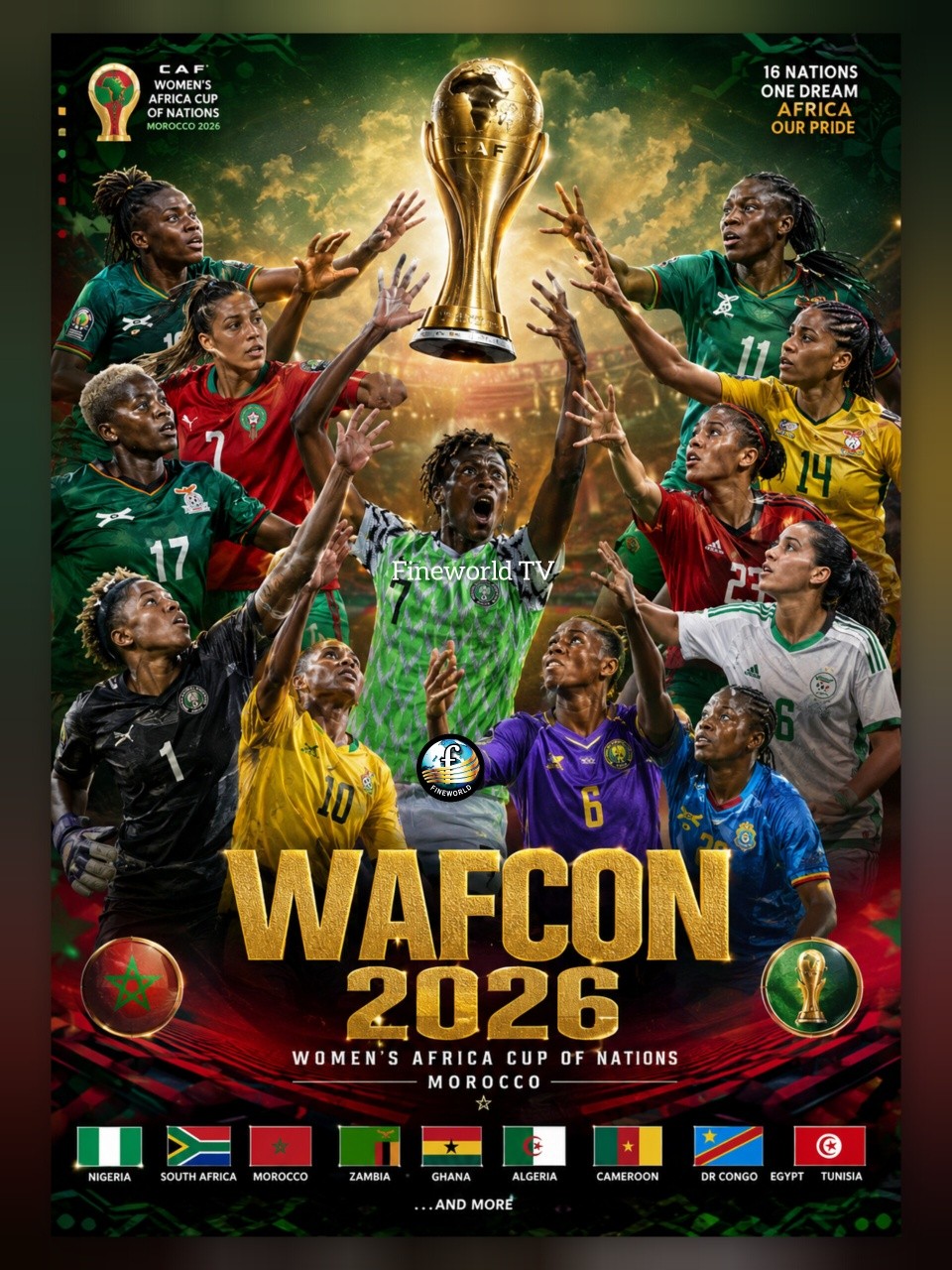
The delayed, shunted-around WAFCON 2026 is here at last, but where's the fanfare?
It was supposed to be a grand celebration of African women's football, a showcase of the continent's rising talent and a testament to the growth of the game. Instead, the 2026 Women's Africa Cup of Nations has crept onto the calendar like a forgotten guest, with little of the pomp and circumstance befitting a major international tournament. After months of uncertainty, with the event being postponed and moved between dates, the opening matches have finally been played, but the silence from the stands and the media is deafening.
A Tournament in Search of Its Moment
For much of the year, WAFCON 2026 felt like a tournament searching for its place in the calendar, rather than one of African football's flagship events. The Confederation of African Football (CAF) faced logistical headaches, with host nation changes and scheduling conflicts that left fans and players in limbo. When the tournament did eventually get underway in late July, the buzz that usually accompanies such a competition was conspicuously absent. Even the opening fixture between Morocco and Kenya on 27 July, a match that should have drawn global attention, passed with relatively little fanfare. The live coverage on ESPN (PH) provided the basics, but the atmosphere lacked the electricity of previous editions.
Human Stories Amid the Silence
Yet, for the players, the significance remains undimmed. For many, WAFCON is a platform to showcase their talents on a continental stage, with dreams of glory and perhaps a move to bigger leagues. The Nigeria vs. Zambia clash on 1 August, for instance, carried the weight of history—two of Africa's powerhouses locking horns. But without the roar of packed stadiums or the glare of international media, these human dramas unfold in relative obscurity. The lack of fanfare is a disservice to the athletes who have sacrificed so much to be here.
The Rivalries That Define the Game
Rivalries are the lifeblood of football, and WAFCON 2026 has no shortage of them. The Morocco-Kenya encounter was more than just a group stage match; it was a clash of styles, with Morocco's technical prowess against Kenya's physical resilience. Similarly, the Nigeria-Zambia fixture reignited a rivalry that has produced memorable moments in past tournaments. Yet, without the hype, these battles risk being forgotten. The tournament needs a narrative to capture the public's imagination, but so far, the story has been one of quiet persistence.
A Call for Greater Investment
This muted start should serve as a wake-up call for African football administrators. The women's game has grown exponentially, but infrastructure, marketing, and media coverage still lag behind. If WAFCON is to command the attention it deserves, stakeholders must invest in promotion and fan engagement. For those looking to dive deeper into African football analysis, platforms like ESPN offer detailed coverage, while local outlets continue to highlight the human stories. Additionally, for tactical breakdowns and match insights, SokaFundi provides expert analysis and scouting reports to help fans understand the nuances of the game.
Conclusion
WAFCON 2026 may have arrived without the fanfare it deserves, but the tournament's true value lies in the passion of the players and the resilience of the women's game in Africa. As the competition progresses, perhaps the excitement will build, and the world will take notice. For now, the silence is a reminder that there is still much work to be done in elevating African women's football to its rightful place on the global stage.
