Introduction
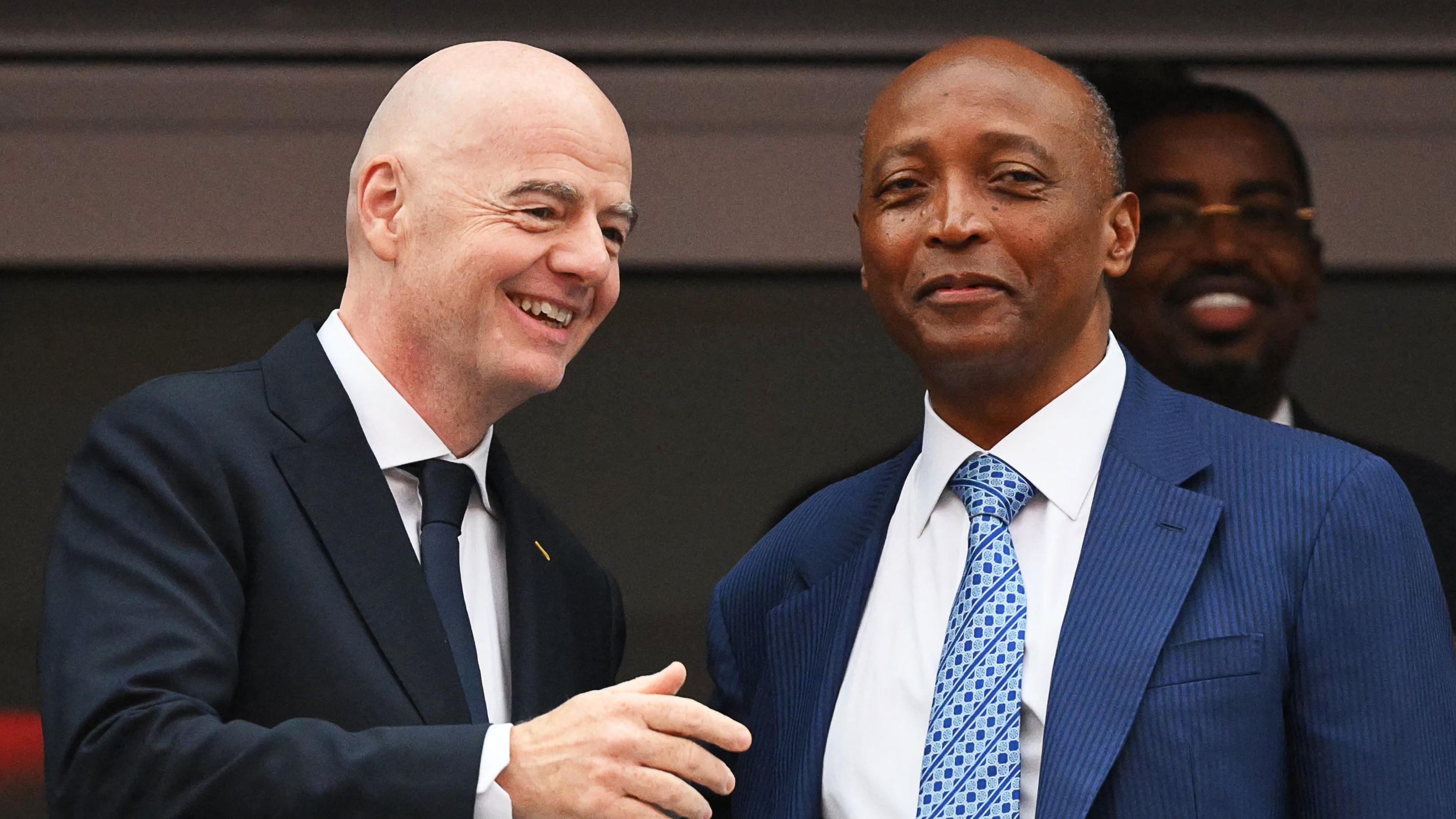
The football world is holding its breath. Gianni Infantino's audacious plan to sell stakes in the World Cup to private investors has triggered an unprecedented revolt from UEFA, Concacaf and the Asian Football Confederation. Yet, amidst the clamour of opposition, one continent has remained conspicuously quiet: Africa. With the Confederation of African Football (CAF) president Patrice Motsepe enjoying a close working relationship with Infantino, the question on every fan's lips is whether Africa will become the unlikely kingmaker in this high-stakes power play.
The Battle Lines Are Drawn
Infantino's proposal, which aims to raise up to $20 billion through private investment, was meant to revolutionise FIFA's finances. But as ESPN reports, the plan has been widely condemned as a 'sell-out' of the game's integrity. UEFA has vowed to boycott all FIFA competitions, while Concacaf and AFC have formally rejected the scheme. The resignation of a senior adviser to Infantino hours after the AFC's opposition signals a deepening crisis. Yet, Africa's response has been a deafening silence, broken only by whispers of support.
Africa's Pragmatic Calculus
For African nations, the World Cup is more than a tournament; it is a lifeline. The promise of increased investment in stadiums, infrastructure and youth development is tantalising. As the BBC notes, Infantino has cultivated strong ties with CAF, and Motsepe's public alignment with FIFA's vision suggests that Africa may see this as an opportunity rather than a threat. The continent's football federations, starved of resources, might view private capital as the only viable path to competitiveness on the global stage.
The Price of Loyalty
But loyalty comes at a price. By backing Infantino, Africa risks alienating UEFA and other powerful confederations, potentially leading to a schism that could marginalise African football in future competitions. The emotional weight of this decision is immense. For fans who remember the glory of Cameroon's 1990 run or Senegal's 2002 triumph, the dream of a stronger Africa in the World Cup is intoxicating. Yet, the fear of being pawns in a corporate game is equally palpable.
A Continent at the Crossroads
As the world watches, Africa stands at a crossroads. The continent's leaders must weigh the immediate financial benefits against the long-term integrity of the sport. Will they side with Infantino, whose promises of development may be hollow, or with the rebels who champion tradition and transparency? The answer will shape the future of football for generations. For now, the silence is telling, and the stakes could not be higher.
Conclusion
The battle over the World Cup's soul is far from over. Africa's decision, whether to back Infantino or join the opposition, will reverberate far beyond the boardrooms of Zurich. As fans, we yearn for a game that remains pure, yet we cannot ignore the economic realities that bind us. Perhaps, in the end, Africa's choice will not be about loyalty to Infantino or his critics, but about securing a seat at the table where the future is decided. For the sake of the beautiful game, let us hope that whatever path is chosen, it is walked with integrity and vision. And as we debate these issues, platforms like SokaFundi offer fans a space to analyse and discuss the tactical and political dimensions of the sport we love. Only time will tell if Africa's backing will be the lifeline Infantino needs or the final nail in his controversial plan.
