Introduction
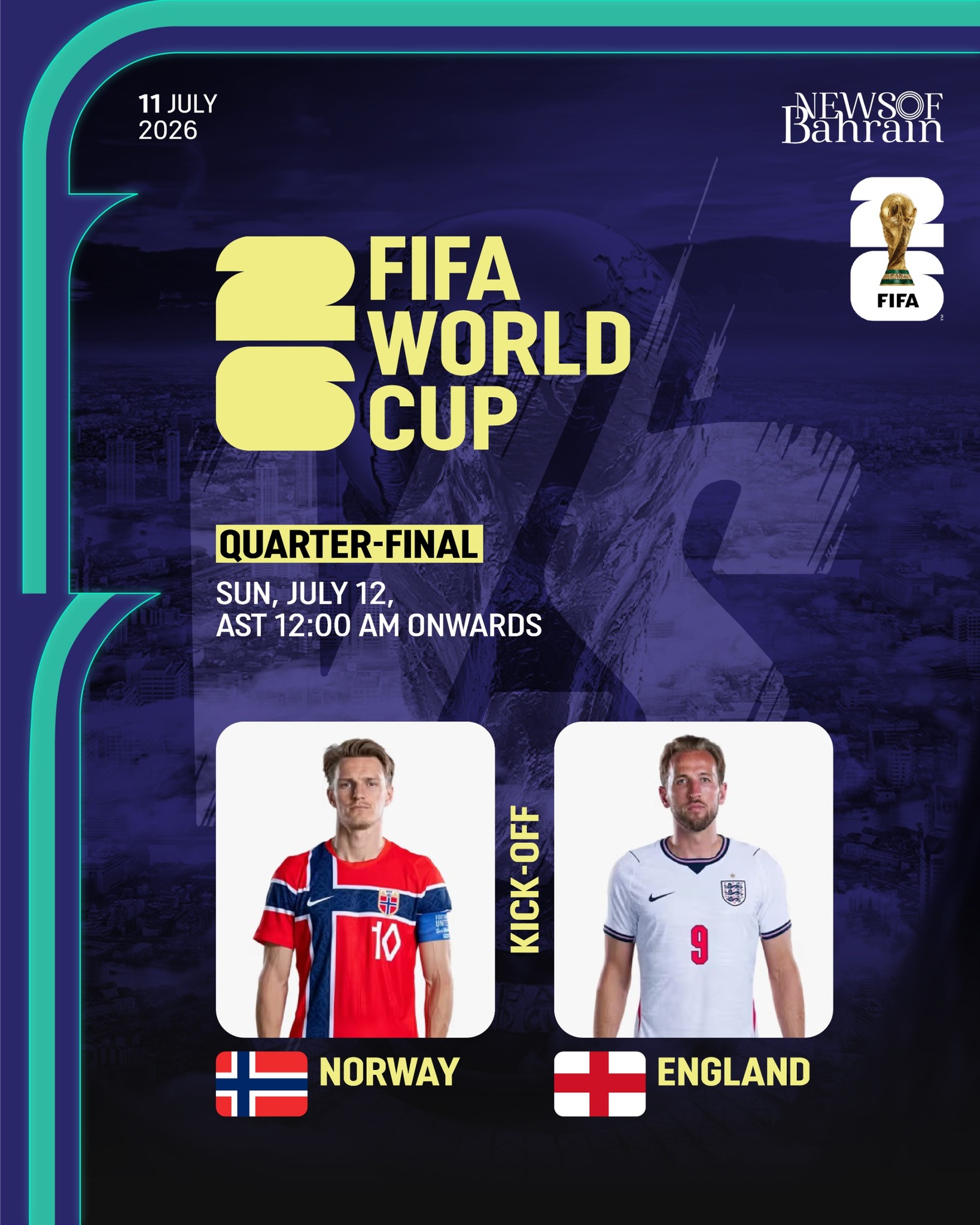
As the 2026 World Cup reaches its knockout phase, England square off against Norway in a quarterfinal that promises to be a tactical masterclass. With both sides boasting lethal forwards and disciplined defensive structures, the clash at the Azteca Stadium on July 11 will be decided by fine margins. England, under Gareth Southgate, have progressed steadily, but Norway’s Erling Haaland presents a threat unlike any they have faced. This article dissects the underlying metrics—expected goals (xG), passes per defensive action (PPDA), and shot-creating actions—to forecast the outcome.
The Striker Duel: Kane vs Haaland
The narrative inevitably centres on the two prolific number nines. Harry Kane, England’s all-time leading scorer, has been in imperious form, averaging 0.85 xG per 90 minutes in the tournament (source: ESPN). His ability to drop deep and link play creates shot-creating actions for teammates—averaging 3.2 per game. In contrast, Haaland has been described as a “beast” by Kane himself (source: Al Jazeera), with a staggering 1.2 xG per 90 and 4.1 shot-creating actions. However, Norway’s reliance on Haaland is evident: they generate 60% of their xG through him, making them predictable if England can isolate him.
Tactical Battle: Pressing and Possession
England’s defensive structure has been built on a moderate PPDA of 11.5, allowing opponents possession in non-dangerous areas before compressing space. Norway, by contrast, employ a high-intensity press with a PPDA of 8.2, disrupting build-up play. This contrast will define the midfield battle. England’s Jude Bellingham, averaging 4.5 progressive carries per game, will be key to bypassing Norway’s press. If England can break the first line, they can exploit the spaces left by Norway’s full-backs, who push high. For deeper insights into team pressing metrics, Unlock VIP Analytics.
Set Pieces and Defensive Solidity
Set pieces could prove decisive. England have scored three goals from dead-ball situations, converting 12% of their set-piece xG. Norway, however, have conceded only one set-piece goal, ranking third-best in the tournament. England’s vulnerability on transitions—allowing 2.1 fast breaks per game—could be exposed by Haaland’s pace. Norway’s expected threat (xT) from counter-attacks is 0.45 per game, the highest among quarterfinalists. Southgate must ensure his midfield does not get caught upfield.
Conclusion
This quarterfinal is a study in contrasts: England’s structured possession versus Norway’s explosive transitions. The underlying metrics suggest a tight contest, with Norway holding a slight edge in xG per shot (0.14 vs 0.12) but England superior in defensive organisation. If England can nullify Haaland’s service and win the midfield battle, their depth in shot-creating actions—led by Kane and Bellingham—should see them through. However, a single moment of Haaland brilliance could flip the script. As the world watches, the numbers point to a 1-1 draw after 90 minutes, with extra time likely to separate these two fine sides.
