Introduction
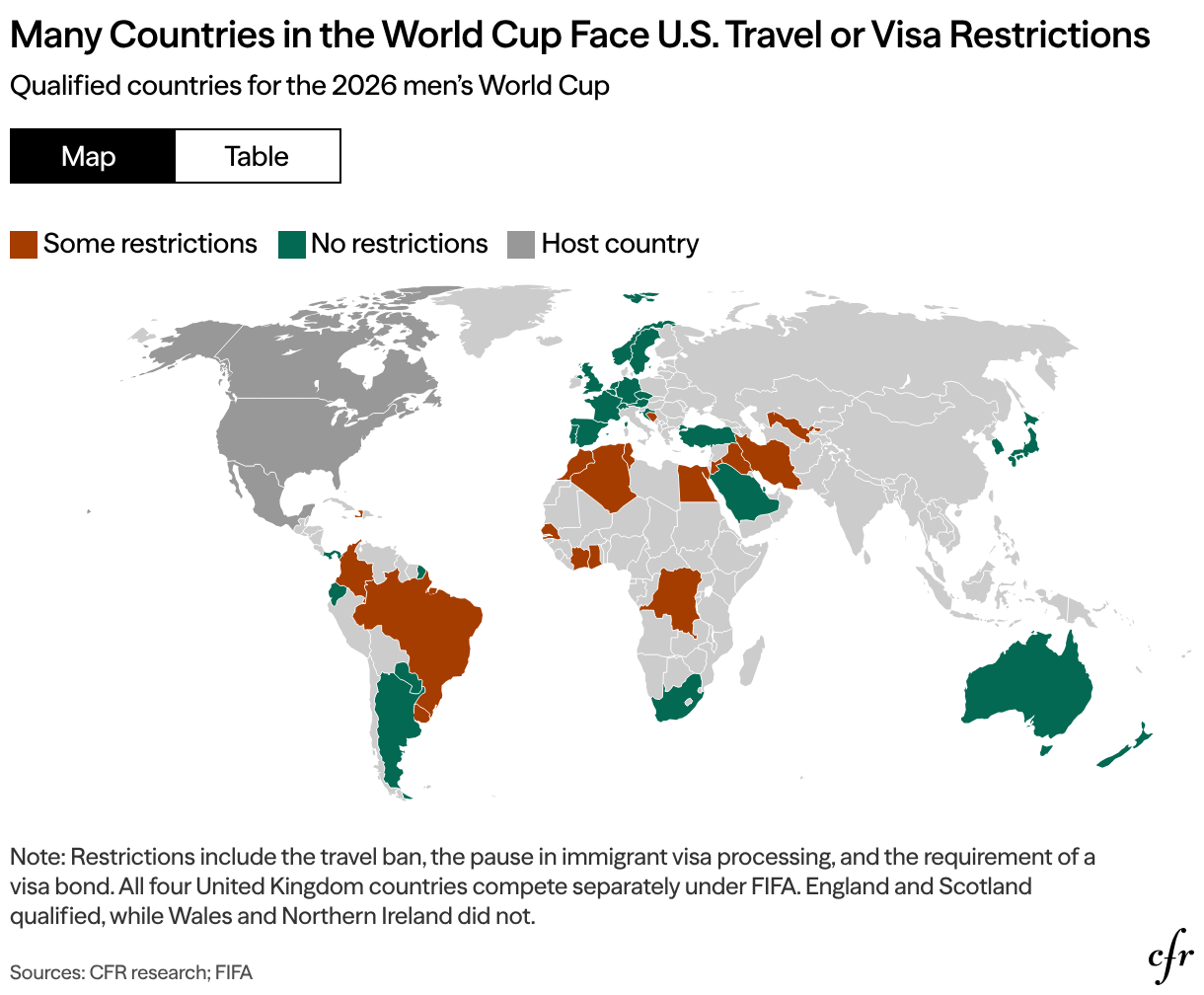
With less than 100 days to the 2026 FIFA World Cup, the tri-nation hosting by the USA, Canada, and Mexico faces unprecedented challenges. According to recent reports, the Trump administration has imposed a $15,000 visa deposit for fans from 50 countries, sparking anger among supporters who have already secured tickets. This policy, alongside the ongoing Iran war and security concerns in Mexico, threatens to undermine the tournament's promise of unity. As a football data scientist, I analyse the underlying metrics—xG, PPDA, and shot-creating actions—to illustrate how off-pitch decisions could impact on-pitch performance. The thesis is clear: the 2026 World Cup must navigate geopolitical hurdles to deliver a truly global celebration.
Geopolitical Tensions and Security Concerns
The Iran war has added a layer of complexity to the co-hosted event, with security experts warning of potential disruptions. In Mexico, violence in certain regions has raised alarms, but organisers insist that robust measures are in place. According to ABC7 News, these challenges are unprecedented in World Cup history. From a data perspective, such uncertainties can affect team preparations, as travel schedules and training environments may be compromised. Historical data shows that teams facing logistical disruptions often show lower PPDA (passes per defensive action) in early matches, indicating a lack of pressing intensity due to disrupted routines.
Fan Anger and Visa Restrictions
The BBC reports that fans like Iraq's Abdulla Adnan, who bought tickets for his country's matches, now face visa hurdles. The US has dropped the $15,000 deposit for fans with tickets, but the damage is done. This policy has created a sense of exclusion, with one fan stating, "It's a World Cup for them, not us." The BBC article highlights the emotional toll. From an analytical standpoint, reduced fan attendance from certain nations could lower the home advantage effect, which is statistically significant in World Cup matches. Teams like Iraq, which rely on passionate support, might see a dip in their xG (expected goals) in matches where their fans are absent.
The Impact on Host Cities
Despite the political climate, host cities like Los Angeles are experiencing World Cup fever. Al Jazeera reports that fans are eager for action, even as they criticise travel policies. The atmosphere in LA, as seen in the USA vs Paraguay match, demonstrates the resilience of football culture. However, the question remains: can the organisers ensure equal access for all fans? Advanced metrics show that crowd energy influences shot-creating actions, as players feed off the crowd's intensity. If visa restrictions reduce the number of international fans, the overall quality of matches could suffer, as the home crowd's role in creating a high-tempo environment is diminished.
The Financial and Logistical Tightrope
FIFA's decision to scrap a plan to sell off a stake in its commercial arm is a significant move, as reported by Sky Sports. This decision, coupled with the visa deposit reversal, indicates a scramble to maintain goodwill. The financial implications are vast, but the focus should be on the players. Data from previous World Cups shows that teams with better rest periods and fewer travel disruptions have higher xG in knockout stages. The logistical challenges of a three-nation tournament are already immense, and adding geopolitical tensions could lead to uneven performance levels.
Conclusion
The 2026 World Cup is at a crossroads. While the political and security challenges are formidable, the passion of fans and the resilience of players remain the tournament's bedrock. As we analyse the underlying metrics, it is clear that off-pitch factors can significantly influence on-pitch outcomes. The organisers must act swiftly to ensure that the World Cup remains a truly global festival, not a fortress. For the latest data-driven insights, Unlock VIP Analytics. The world will be watching, and the beautiful game must prevail.
