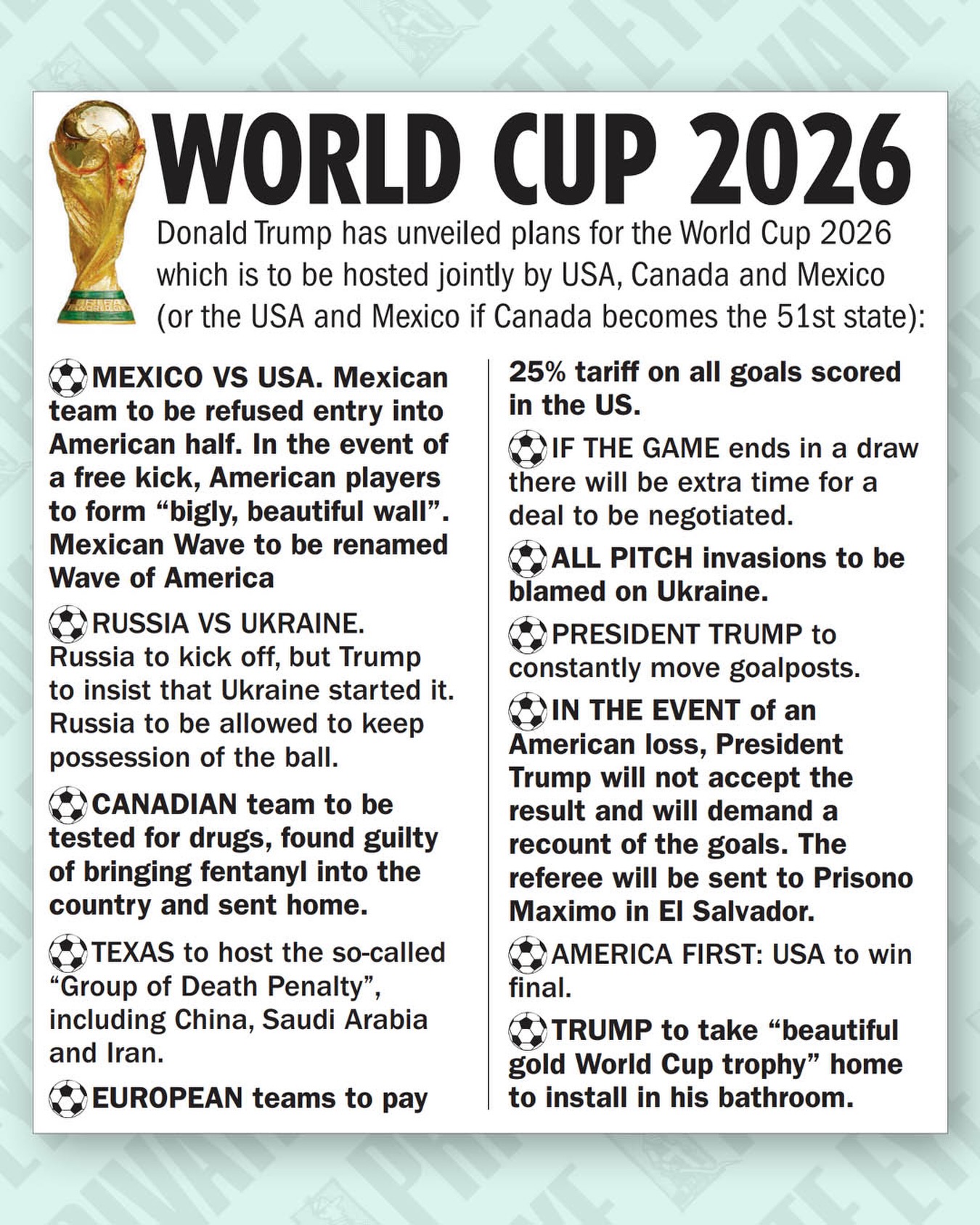
As the countdown to the 2026 FIFA World Cup enters its final months, the tournament co-hosted by the United States, Canada, and Mexico finds itself navigating a landscape fraught with geopolitical tensions, logistical hurdles, and polarising political rhetoric. With just 100 days until kick-off, the event—already the largest in World Cup history with 48 teams—faces unique challenges that extend far beyond the pitch.
Geopolitical Complexities and Security Concerns
The shadow of international conflict looms large over the tournament. According to reports, the ongoing Iran war has added a layer of complexity to security planning, particularly given Iran's qualification for the tournament. Meanwhile, violence in Mexico has raised concerns about fan safety in host cities south of the border. Organisers are working overtime to ensure that the beautiful game remains the focus, but the reality of a volatile geopolitical climate cannot be ignored.
Trump's Policies and Fan Sentiment
Former President Donald Trump has injected himself into the narrative, with his characteristic bombast. In a recent interview, Trump quipped that 'England put Kane in defence,' a remark that drew both amusement and confusion. More substantively, his administration's travel policies have created anxiety among international fans. In Los Angeles, a key host city, supporters expressed frustration over visa restrictions and entry procedures, yet the allure of the World Cup remains undimmed. One fan told Al Jazeera: 'The politics are a headache, but when the ball starts rolling, nothing else matters.'
Ticket Prices and Accessibility
Soaring ticket prices are another major talking point. As the one-month countdown begins, anticipation crashes into anxiety for many would-be attendees. The average cost of a match ticket has surged, pricing out local fans and raising questions about the tournament's accessibility. FIFA has defended its pricing strategy, citing unprecedented demand, but critics argue that the World Cup is becoming an elite event, alienating the very grassroots that make football the world's game.
Analytical Lens: xG and Shot-Creating Actions
From a data perspective, the tournament promises to be a showcase of advanced metrics. Expected goals (xG) and shot-creating actions will be crucial in evaluating team performance, especially given the expanded format that may lead to more lopsided group-stage encounters. Coaches will rely on these metrics to fine-tune tactics, while analysts will dissect every pass and press. For deeper insights, Unlock VIP Analytics to track real-time xG and PPDA data.
Fan Experience and Cultural Exchange
Despite the challenges, the World Cup remains a celebration of global unity. Fans from 48 nations will converge on North America, bringing diverse cultures and passions. The tournament's spread across three countries offers a unique opportunity for cross-border travel and cultural exchange, though logistical coordination remains a Herculean task. The organising committee has promised seamless transport links, but sceptics point to the vast distances between venues.
Conclusion
The 2026 World Cup is shaping up to be the most complex in history, where sporting excellence must coexist with geopolitical realities. From Trump's barbs to ticket price hikes, the tournament will test the resilience of football's global community. Yet, as the data shows, the underlying love for the game remains the constant. Whether measured in xG or fan sentiment, the beautiful game endures. For those seeking an edge in their analysis, remember to Unlock VIP Analytics for exclusive insights. The countdown is on—let the games begin.
