The countdown to the 2026 FIFA World Cup, jointly hosted by the United States, Canada, and Mexico, has entered its final phase, but the path to kick-off is strewn with challenges. From geopolitical strains to logistical hurdles, the tournament faces a complex backdrop that threatens to overshadow the football. This report examines the key developments shaping the build-up, with a focus on the physical and structural demands placed on host nations and fans alike.
Political Tensions and Security Concerns
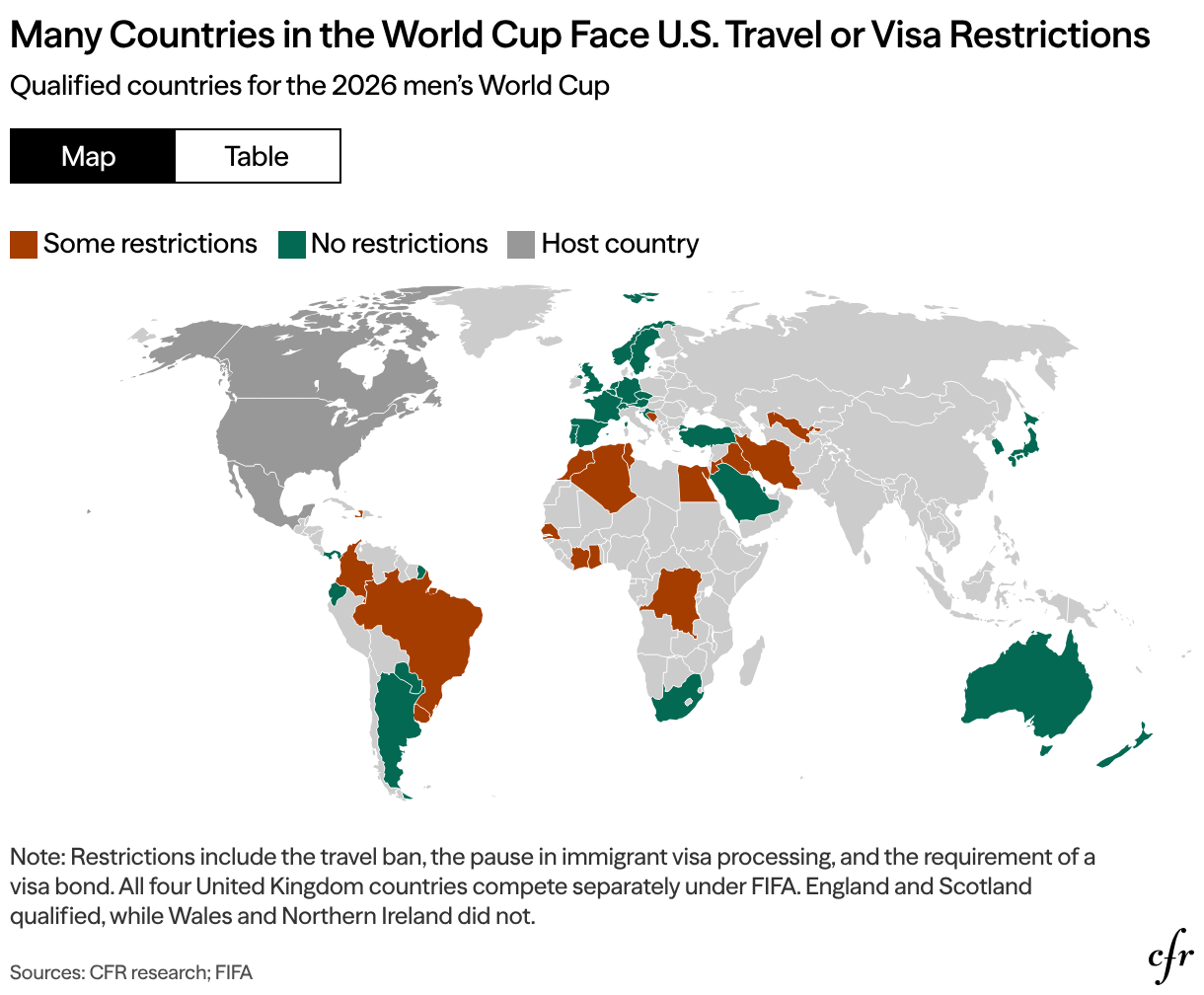
The political climate has added a layer of uncertainty to the tournament. In Los Angeles, fans have voiced criticism over travel policies linked to the Trump administration, which have complicated entry for some supporters. As reported by Al Jazeera, "Fans in FIFA World Cup host city Los Angeles criticise the organisers and travel policies but are eager for the action." Meanwhile, the spectre of international conflict looms large. With 100 days to go, the Iran war has introduced new security challenges, as noted by ABC7: "With 100 days until the World Cup, the Iran war has added a layer of complexity to the tournament co-hosted by the United States, Mexico and..." These factors have heightened anxiety among stakeholders, with France24 observing that "anticipation crashes into anxiety as soaring ticket prices..." compound the stress.
Ticket Prices and Fan Experience
The financial burden on fans has become a central talking point. Ticket prices have surged, pricing out many local supporters and raising questions about accessibility. According to a Sky Sports live blog, the tournament has already produced high-octane matches, such as France 4-6 England, which recorded 20 shots on target and a combined xG of 5.7. However, off-pitch costs threaten to dampen the atmosphere. Organisers are under pressure to ensure that the World Cup remains a celebration of football rather than an exclusive event. For a deeper dive into how physical fitness and tactical preparation can enhance fan engagement, visit our SokaFundi analysis platform.
Regional Disparities and Logistical Challenges
The tri-nation format presents unique logistical hurdles. Mexico has grappled with violence, while Canada faces infrastructure gaps. The South American Football Confederation has confirmed plans for a 64-team qualification process, adding further complexity. As the countdown continues, host cities must balance security with the festive spirit that defines the World Cup. The physical demands on stadiums, transport networks, and accommodation are immense, requiring robust coordination across borders.
Conclusion
The 2026 World Cup promises to be a landmark event, but the build-up has been fraught with difficulties. Political tensions, security threats, and economic barriers pose significant tests for the host nations. Yet, as fans in Los Angeles demonstrate, the passion for football remains undimmed. The true measure of success will be how well the organising bodies navigate these obstacles to deliver a tournament that unites rather than divides. For now, the world watches with a mixture of hope and apprehension. For more insights on player performance and tactical trends, explore our SokaFundi features.
