Introduction
In a surprising turn of events, FIFA has scrapped its plan to sell a stake in the World Cup 2026 commercial rights, a decision that has sent ripples through the financial corridors of football. With the tournament set to be co-hosted by the United States, Canada, and Mexico, the business of football is under the microscope. The move, which was initially touted as a way to unlock new revenue streams, now raises questions about the financial strategy behind the world's most lucrative sporting event. As the countdown to kick-off continues, the interplay between politics, security, and commerce is proving to be as compelling as the on-pitch action.
The Financial Landscape: FIFA's Strategic Pivot
FIFA's decision to scrap the stake sale is a significant shift in its business model. Originally, the plan was to sell a minority stake to private investors, a move that could have raised billions. However, the abrupt reversal suggests a recalibration of priorities, possibly due to geopolitical tensions and the need to maintain control over the tournament's commercial assets. This decision comes at a time when the tournament's costs are escalating, with infrastructure and security expenses mounting. The financial implications are profound, as FIFA must now explore alternative funding mechanisms to ensure the tournament's profitability.
Amortisation and Revenue Streams: The Economic Engine
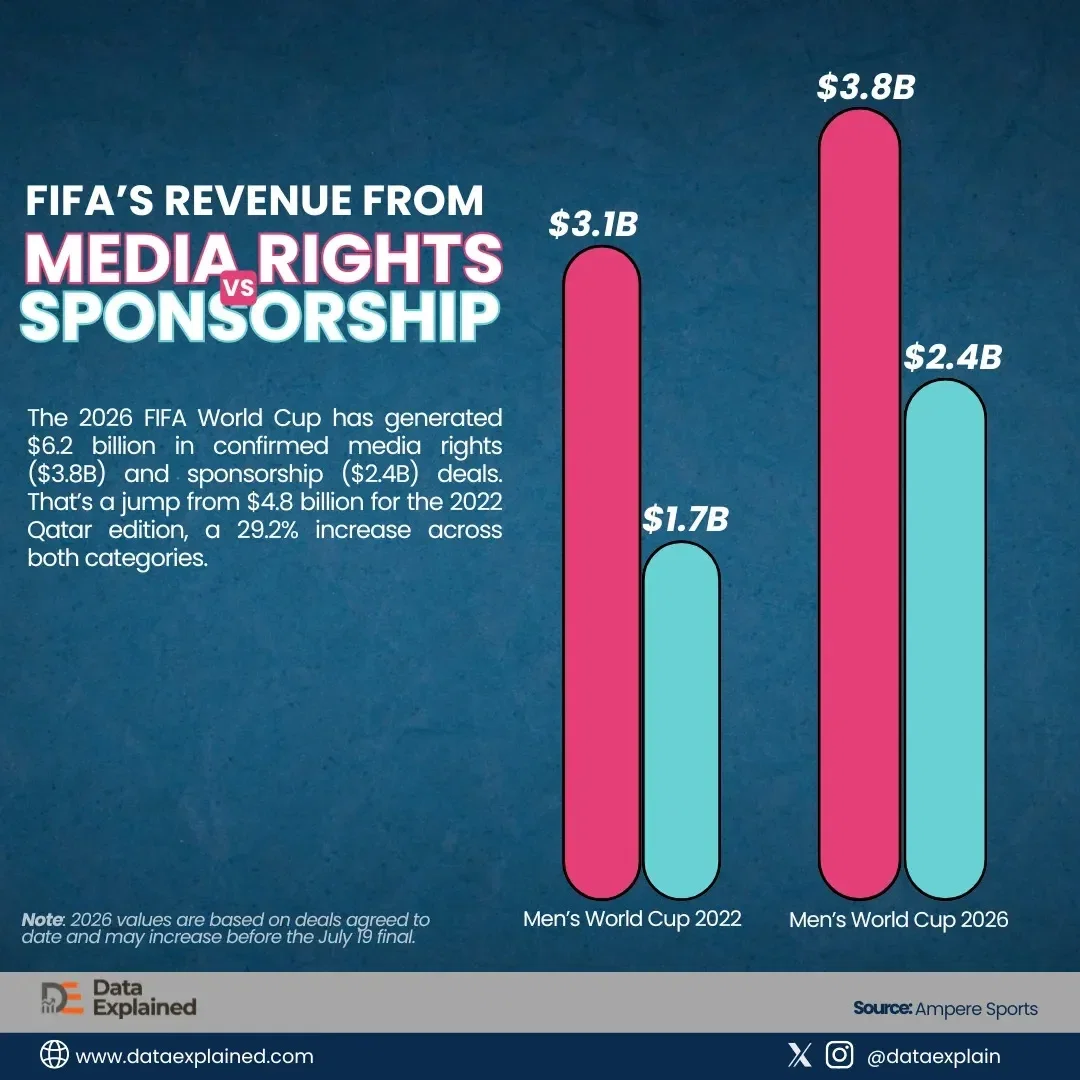
In the world of football finance, amortisation of player contracts is a common practice, but for a tournament, the concept applies to the massive upfront investments. The World Cup 2026 is expected to generate record revenues, with projections of over $11 billion. However, the costs are equally staggering, with estimates suggesting that the total expenditure could exceed $15 billion. This gap necessitates innovative financial engineering. FIFA's decision to forgo the stake sale means it will rely more heavily on broadcasting rights, sponsorship deals, and ticket sales. The latter has been a point of contention, with fans expressing concerns over pricing and access.
Donald Trump's policies have cast a long shadow over the tournament, affecting travel and immigration. The Al Jazeera report highlights that fans in Los Angeles are critical of the organisers and travel policies, yet they remain eager for the action. This dichotomy is a challenge for FIFA, as it seeks to balance commercial interests with the need to ensure a welcoming environment. The Iran war and Mexico violence add further layers of complexity, as security concerns could deter fans and impact the tournament's image. These factors are not just logistical but have direct financial consequences, influencing ticket sales and sponsorship attractiveness.
Wage Structures and Financial Fair Play
While the World Cup is not directly subject to Financial Fair Play (FFP) regulations, the tournament's financial health has a ripple effect on club football. The revenue generated from the World Cup often trickles down to clubs, influencing their wage structures and transfer budgets. With the scrapped stake sale, FIFA's cash flow may be tighter, potentially affecting prize money distributions. This could have a knock-on effect on European clubs that rely on World Cup revenues to balance their books. As such, the decision is not just a corporate matter but one that impacts the broader football economy.
Fans at the Heart: Ticket Sales and Experience
Tickets are the lifeblood of the World Cup experience, and the pricing strategy is crucial. In a recent development, FIFA has announced a new ticket release, with prices ranging from $150 to $1,600. The high-end tickets are aimed at corporate hospitality, while the lower tier is for the average fan. However, the political climate and security concerns may dampen demand. The article from ABC7 News notes that with 100 days to go, the Iran war and Mexico violence are new challenges. This uncertainty could lead to a potential shortfall in ticket revenue, forcing FIFA to adjust its financial projections.
The Commercialisation of the Beautiful Game
For clubs and players, the World Cup is a showcase of talent, but for businesses, it is a golden opportunity. Sponsors are keen to associate their brands with the tournament's global appeal. However, the political controversies surrounding the host nations could deter some sponsors, as they navigate the delicate line between sport and politics. The scrapped stake sale may have been a response to this uncertainty, as FIFA seeks to maintain its negotiating power. This is a classic case of risk management in the high-stakes world of football business.
Conclusion
The decision to scrap the stake sale is a bold move that reflects the complex interplay of finance, politics, and sport. As the tournament approaches, FIFA must navigate these turbulent waters with a steady hand. The financial success of the World Cup 2026 is not guaranteed, but with strategic planning and a focus on the fans, it can still be a lucrative venture. The business of football is never straightforward, and this tournament is no exception. The final verdict: FIFA's pivot may be risky, but it is a calculated gamble that could pay off in the long run.
For more insights into football economics and analysis, visit SokaFundi for expert features and tools. Also, explore the financial intricacies of the World Cup and the security challenges that could shape the tournament's outcome.
