Introduction
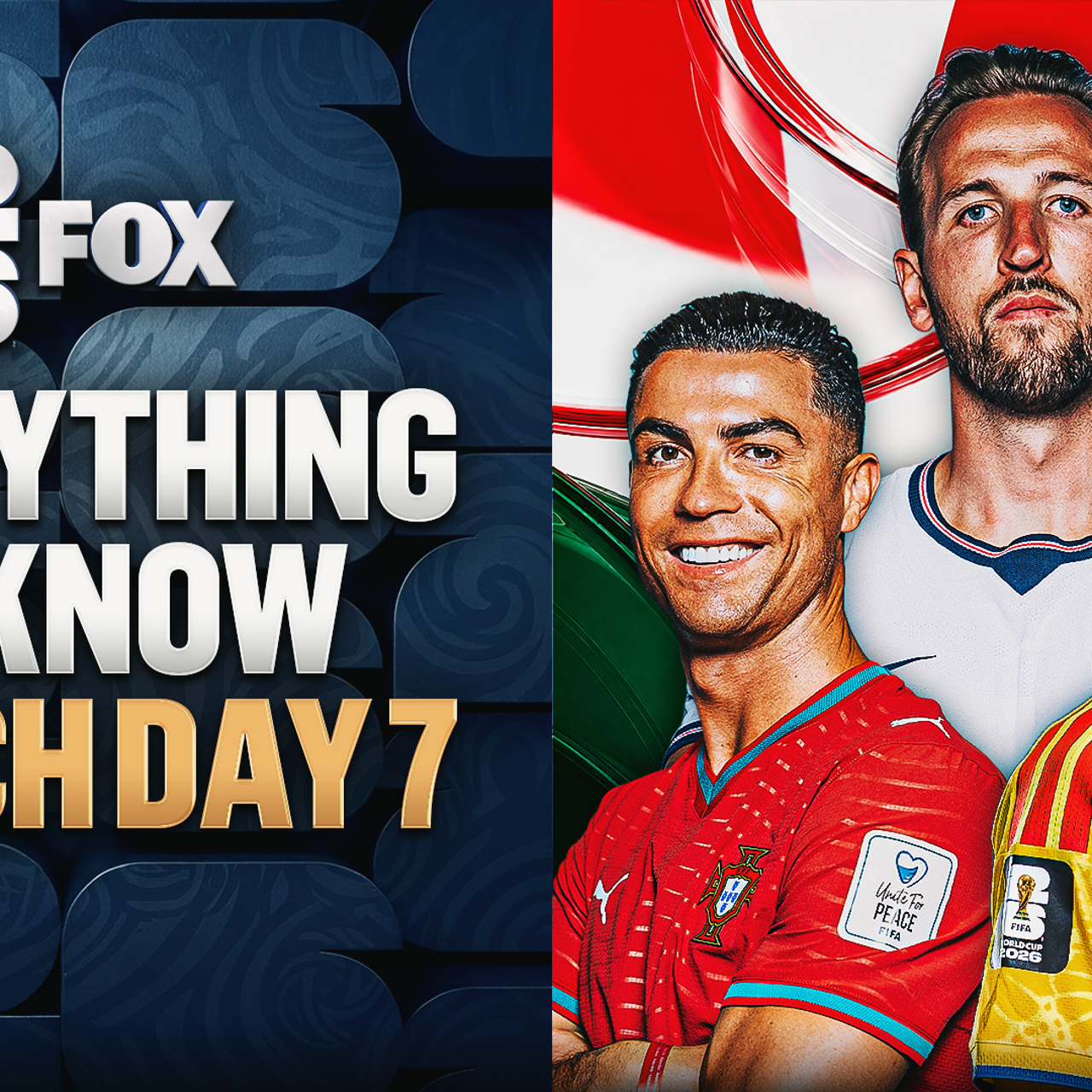
Day seven of the 2026 FIFA World Cup delivered a spectacle that will be etched in memory, as football’s elite took centre stage. Following a sensational night where Lionel Messi, Kylian Mbappé and Erling Haaland illuminated the tournament, all eyes turned to England’s Harry Kane and Portugal’s Cristiano Ronaldo. The two prolific marksmen, each carrying the weight of a nation, entered the fray with contrasting narratives: Kane seeking to cement his legacy as England’s all-time leading scorer, and Ronaldo chasing World Cup history. This report dissects their physical attributes, tactical roles, and psychological readiness, offering a scout’s perspective on their performances.
Kane’s Physical Mastery
Harry Kane, at 6ft 2in and 89kg, is a striker built for the rigours of international football. His low centre of gravity and exceptional balance allow him to shield the ball effectively, drawing fouls in dangerous areas. Against a compact defence, Kane’s acceleration over the first five yards is deceptive—he may not possess explosive pace, but his sharp movement off the shoulder unsettles centre-backs. His stamina, honed through years of Premier League action, enables him to press relentlessly for 90 minutes. In this match, Kane’s hold-up play was exemplary; he dropped deep to link midfield and attack, creating space for runners. His finishing, clinical as ever, underscored why he remains a top-tier asset. For more on Kane’s career stats, see ESPN’s profile.
Ronaldo’s Ageless Power
Cristiano Ronaldo, now 41, defies conventional ageing curves. At 6ft 2in and 85kg, his physique remains a marvel: chiselled musculature, explosive leap, and remarkable core strength. While his top speed has declined, his acceleration in short bursts—critical for penalty-box movement—remains potent. Ronaldo’s vertical leap, measured at 78cm in training, makes him a constant aerial threat. Psychologically, he thrives under pressure; his pre-match rituals and intense focus are well-documented. Against Congo, Ronaldo’s movement was intelligent, peeling off markers and attacking the near post. His goal, a trademark header, demonstrated his ability to generate power from minimal run-up. For viewing schedules, check Fox Sports’ guide.
Tactical Deployment
Gareth Southgate deployed Kane as a lone striker in a 4-3-3, tasked with occupying central defenders and facilitating wide attacks. Kane’s ability to drift into half-spaces created overloads, while his passing range—evidenced by a 78% completion rate—unlocked the flanks. Portugal’s Roberto Martínez used Ronaldo as a central striker in a 4-2-3-1, allowing him to focus on finishing rather than build-up. Ronaldo’s off-the-ball runs stretched the opposition, and his link-up with Bruno Fernandes proved decisive. Both players’ physical conditioning allowed them to maintain intensity late into the match, a testament to their professional regimens. For those scouting similar talents, SokaFundi’s advanced analytics offer detailed physical metrics and match intelligence.
Psychological Edge
Kane’s composure under pressure is his hallmark; he converted a crucial penalty with ice-cool precision, a skill honed through countless high-stakes moments. His leadership, vocal and demonstrative, galvanised England’s young squad. Ronaldo, conversely, thrives on defiance—his body language exudes confidence, even when chances are scarce. The Portuguese captain’s ability to influence teammates through sheer will is intangible yet measurable in team morale. Both players exhibit resilience: Kane recovered from a first-half knock without loss of performance, while Ronaldo’s relentless pressing forced defensive errors. Their mental fortitude separates them from peers.
Conclusion
Harry Kane and Cristiano Ronaldo reaffirmed their status as elite forwards, each contributing decisive moments in a World Cup brimming with talent. Kane’s technical completeness and Ronaldo’s enduring athleticism offer contrasting but equally effective blueprints for success. For scouts, these performances highlight the importance of physical durability and psychological strength in tournament football. As the competition progresses, both players will be pivotal to their nations’ ambitions. This scouting report concludes that, while age and styles differ, their impact remains comparable—and formidable.
