Introduction
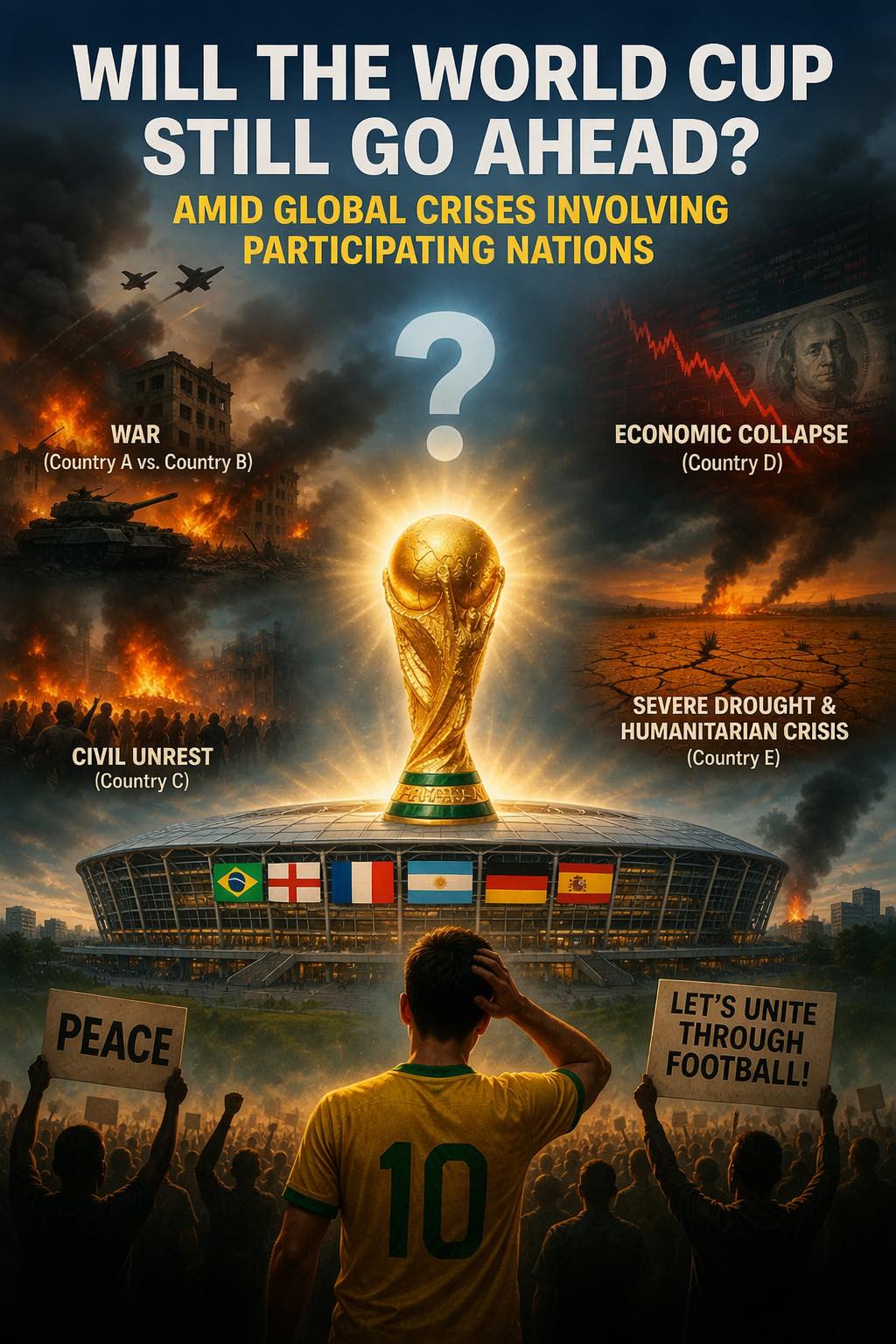
As the 2026 FIFA World Cup approaches, the tournament's co-hosts—USA, Canada, and Mexico—face a unique set of challenges that extend beyond the pitch. With geopolitical tensions, including the Iran war and Mexico violence, and domestic policy debates under President Trump, the stage is set for a World Cup like no other. Yet, amid the chaos, the tactical evolution of the game remains the core focus. This article dissects the key tactical battles and systemic shifts that will define the tournament.
In Possession: The Rise of Fluid Formations
One of the most intriguing tactical trends is the move away from rigid formations. Many top nations are now employing a 3-4-3 or 4-3-3 that morphs into a 2-3-5 in attack, creating numerical superiority in the final third. For instance, the USA's recent friendlies have shown a preference for a 4-2-3-1 that transitions into a 3-2-5 when full-backs push high. This fluidity allows for overloads against compact defences, a necessity given the increased parity in international football. Teams like Norway, as noted by their federation president, are also adapting to these trends, emphasising positional play and quick combinations.
Out of Possession: Pressing Triggers and Compactness
Defensively, the tournament will likely see high pressing from sides like Canada, who under their manager have adopted a 4-4-2 mid-block that triggers on the opposition's first pass to a centre-back. This approach, however, requires immense fitness and coordination, especially in the heat of North American summers. The key is to compress space in central areas, forcing opponents wide into traps. The success of such systems will depend on how teams cope with the physical demands of a 48-team tournament, where squad depth becomes critical. For more tactical insights, check out SokaFundi's analysis tools.
Set Pieces: A Decisive Factor
With many games expected to be tight, set pieces will be crucial. The 2026 World Cup could see an increased reliance on innovative routines, such as short corners or decoy runs to create mismatches. The USA, for example, have been working on zonal marking systems that allow for quick transitions after clearances. Given the geopolitical backdrop—including the Iran war and Mexico violence—security concerns may affect travel and fan attendance, but on the pitch, set-piece efficiency could separate the contenders from the pretenders.
Fan Impact and Tactical Adjustments
The controversy over ticket prices and Trump's travel policies has created uncertainty for fans. However, the atmosphere in host cities like Los Angeles remains electric, as seen in the USA vs Paraguay friendly. From a tactical perspective, home support can provide a psychological edge, particularly for teams like Mexico, who thrive on passionate crowds. Managers must account for this, perhaps by instructing players to use the crowd's energy to sustain high pressing in the final 20 minutes. For more on how fan dynamics affect tactics, visit this external analysis.
Conclusion
The 2026 World Cup promises to be a tactical battleground where innovation meets adversity. From fluid formations to high pressing, the tournament will showcase the evolution of the modern game. Yet, the off-field challenges—geopolitical tensions, security, and fan experiences—will test the resilience of all involved. Ultimately, the teams that best adapt their systems to these unique conditions will lift the trophy. As FIFA president Infantino aptly stated, it may be "the greatest event that humanity has ever seen," but only if the tactical chess match matches the spectacle.
---
*For deeper tactical breakdowns and interactive formation tools, explore SokaFundi's features.*
