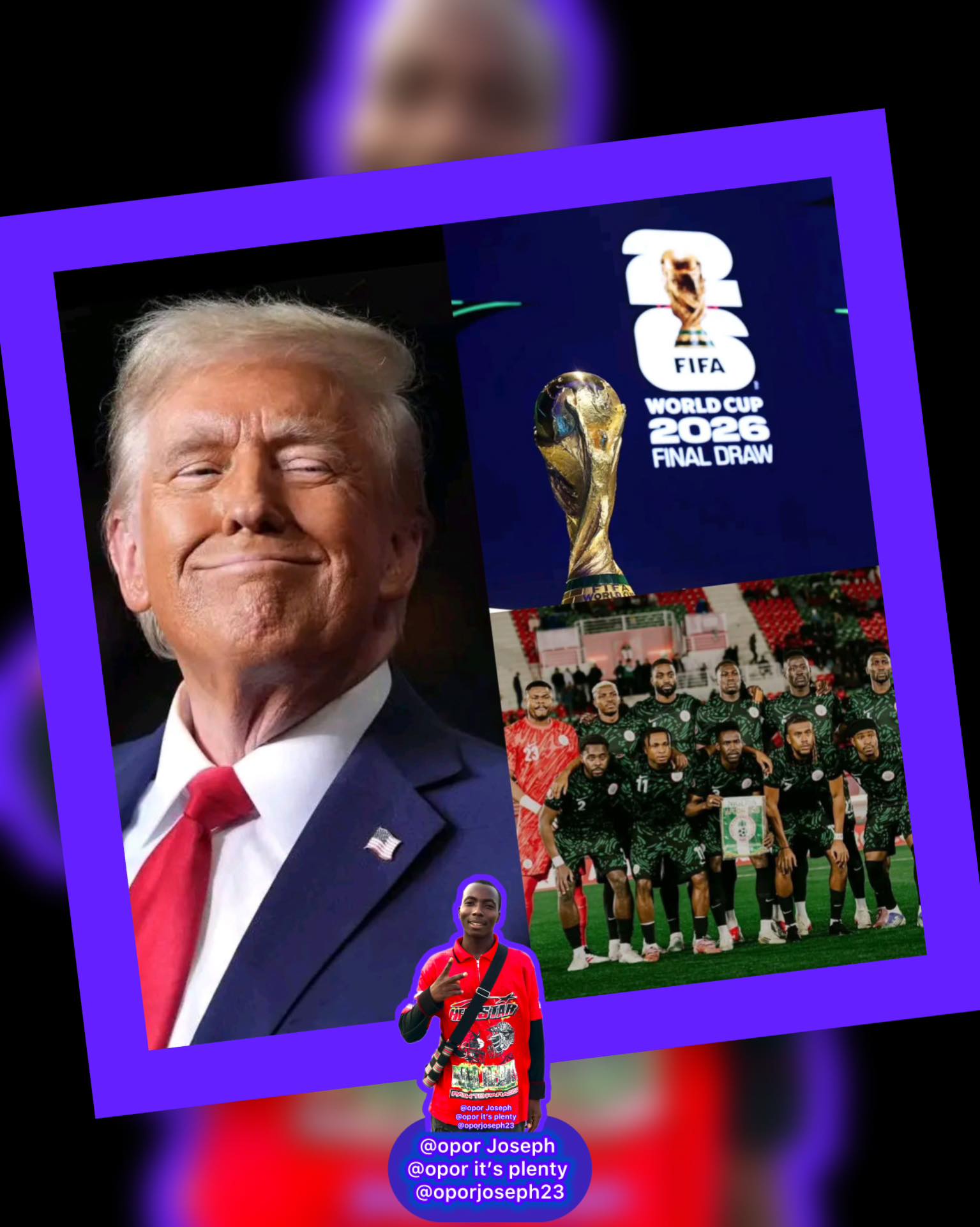
With the 2026 FIFA World Cup now underway across the United States, Canada, and Mexico, the tournament has become a crucible of political, logistical, and athletic drama. While the football on the pitch promises elite competition, off-field issues—ranging from President Trump's hardline immigration policies to FIFA's controversial rule-breaking over squad sizes—are shaping the narrative. As an elite Chief Scout, I analyse the physical and structural challenges that could define this World Cup.
The Trump Factor: A Physical Barrier for Fans
President Trump's renewed push for a warrantless surveillance law and his administration's strict travel policies have created a hostile environment for international fans. In Los Angeles, where the USA faced Paraguay, supporters voiced anger over visa delays and heightened security checks. Physically, the mental toll on fans—queuing for hours in the heat—can mirror the fatigue players face. The Al Jazeera report highlights how 'World Cup fever grips Los Angeles despite Trump policies,' but the physical strain of navigating bureaucracy may dampen the atmosphere. For players, the added security could disrupt pre-match routines, affecting focus and recovery.
FIFA's Squad Size Rule Break: A Tactical Physical Advantage
FIFA is set to break its own rules by allowing 30-player squads, up from the traditional 23. This change, reported by Sky Sports, has massive physical implications. Teams can now rotate more freely, reducing injury risk from fatigue. Coaches will have deeper benches to counter the intense North American summer heat and travel distances. For scouts, this means evaluating squad depth—players who can maintain high-intensity pressing for 90 minutes become even more valuable. The physical attribute of 'recovery speed' will be a key metric.
Ticket Turmoil and Fan Endurance
Ticket distribution has been chaotic, with reports of fans being priced out or facing technical glitches. The physical endurance of fans—standing for hours in stadiums or travelling between venues—mirrors the players' stamina. FIFA President Gianni Infantino's plea for patience, as covered by the LA Times, underscores the stress. For the scouting eye, the fan experience is a barometer of organisational fitness; a disjointed setup can lead to empty seats, sapping team morale.
Conclusion
The 2026 World Cup is a test of physical and logistical resilience. From Trump's policies to FIFA's squad expansions, every element impacts players and fans alike. As a scout, I see this tournament as a laboratory for how external factors—politics, heat, travel—alter player performance. For deeper analysis of player physical profiles, visit SokaFundi for elite scouting tools. The verdict: adaptability is the ultimate physical attribute this summer.
