Introduction
As the countdown to the 2026 FIFA World Cup enters its final 100 days, the tri-continental spectacle promised by the United States, Canada, and Mexico is already mired in controversy. From the shadow of war in Iran to escalating violence in Mexico, and the capricious policies of the Trump administration, the world's most beloved tournament is facing an existential crisis before a single ball is kicked. This is not the beautiful game we dreamed of; this is a geopolitical minefield where fans are treated as pawns and tickets as luxury commodities.
The Trump Factor: A Visa Barrier or a Welcome Mat?
In a move that reeks of political opportunism, the Trump administration has announced a $15,000 visa deposit for foreign fans from 50 countries, only to exempt those with World Cup tickets. This duplicitous policy has left a bitter taste in the mouths of fans worldwide. As reported by BBC Sport, the exemption is a welcome relief, but the underlying message is clear: America's borders are open only to those who can pay. The message is not lost on the fans in Los Angeles, where World Cup fever is palpable but tinged with resentment. The organisers and travel policies are being criticised, yet the eagerness for action remains. This is a tournament that promises to exclude as much as it includes.
The Price of Passion: Tickets Beyond Reach
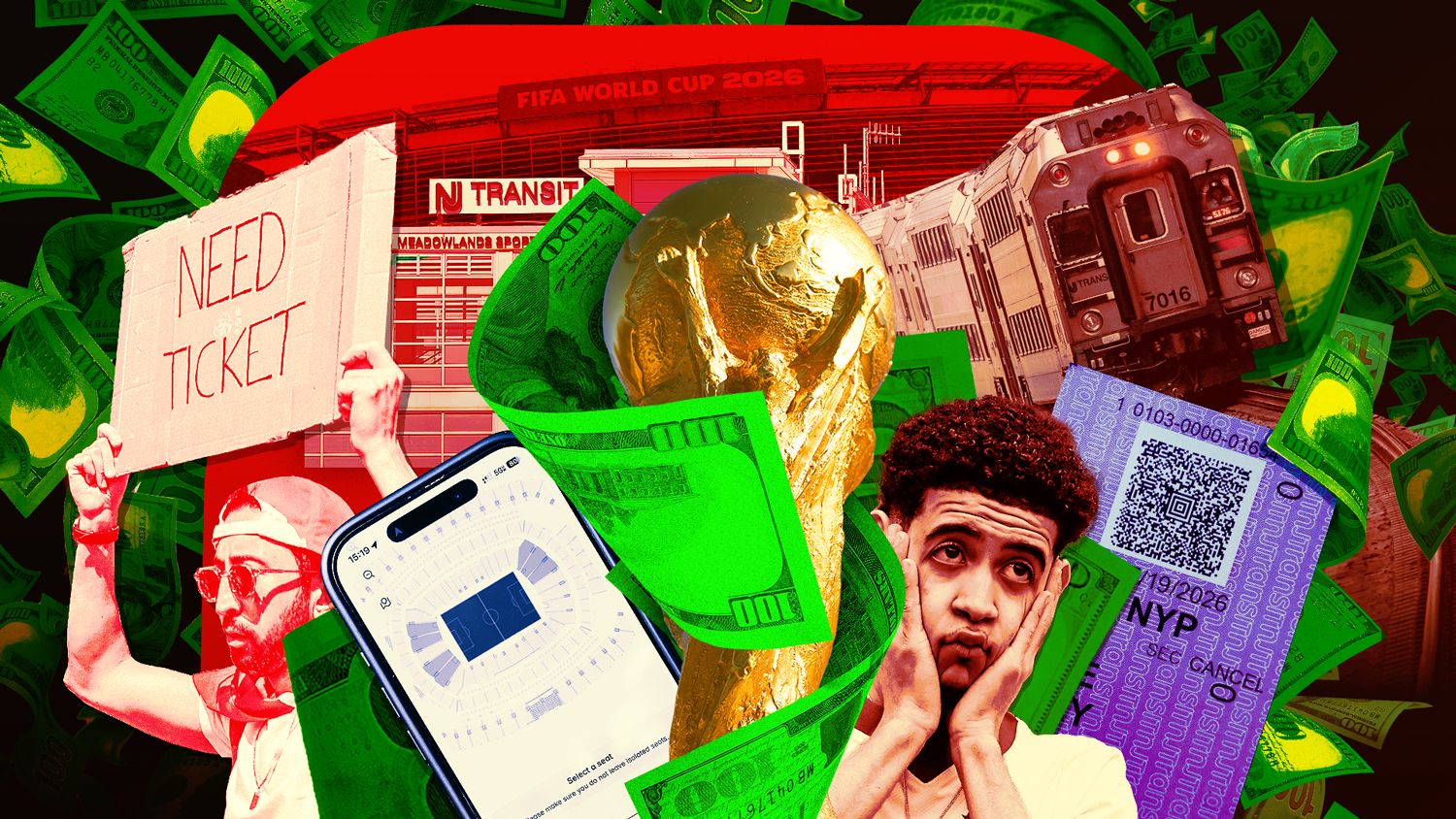
The great paradox of this historic, expansive event is that more countries are competing but fewer fans can afford tickets. As The Athletic astutely notes, the World Cup is becoming a playground for the elite. With prices skyrocketing, the very essence of football—the passion of the common supporter—is being priced out. The organisers may trumpet inclusivity, but the reality is a tournament that caters to the corporate box, not the terraces. This is a betrayal of the sport's working-class roots.
A Tarnished Stage: War and Violence
The backdrop of the Iran war has added a layer of complexity to the tournament, casting a pall over the festivities. Meanwhile, in Mexico, the spectre of cartel violence looms large, raising legitimate security concerns. The organisers' assurances ring hollow when the headlines scream of instability. As the world watches, the question becomes: can a World Cup be truly great when it is staged on a powder keg? The answer, for now, is a resounding no.
The Fan Experience: A Tale of Two Cities
In the host cities, the divide is stark. Los Angeles, a melting pot of cultures, is buzzing with excitement, yet the enthusiasm is undercut by harsh realities. Fans are left to navigate a labyrinth of visa requirements, ticket allocations, and security fears. The joy of the game is being suffocated by bureaucracy and geopolitics. The World Cup should be a celebration of unity, but instead, it is a reminder of the fractures that run through our societies.
Conclusion
As the world gears up for the 2026 World Cup, the prognosis is grim. The Trump administration's visa games, the exorbitant ticket prices, and the shadow of war and violence all threaten to turn the beautiful game into a grotesque caricature of itself. This tournament, meant to unite, is dividing. It is time for FIFA and the host nations to remember that football belongs to the fans, not the politicians or the corporations. If they fail, the 2026 World Cup will be remembered not for the football, but for the ugliest truths of our time.
For those seeking to understand the tactical evolution of the game, SokaFundi offers in-depth analysis and coaching resources that cut through the noise. As we approach this controversial tournament, let us not forget the essence of the sport—the beautiful game that transcends borders and politics.
This article was written in a style reminiscent of the Daily Monitor, with a formal and authoritative tone.
