Introduction
The countdown to the 2026 World Cup is on, but instead of unbridled excitement, the air is thick with controversy and uncertainty. From Donald Trump's political interference to FIFA's exorbitant ticket prices and the looming threat of violence in Mexico, this tournament is shaping up to be a geopolitical minefield. Gianni Infantino may tout it as "the greatest event humanity has ever seen," but the reality is far messier. As the United States, Canada, and Mexico prepare to co-host, fans are left wondering: will the beautiful game survive the ugly politics?
Trump's Shadow Looms Large
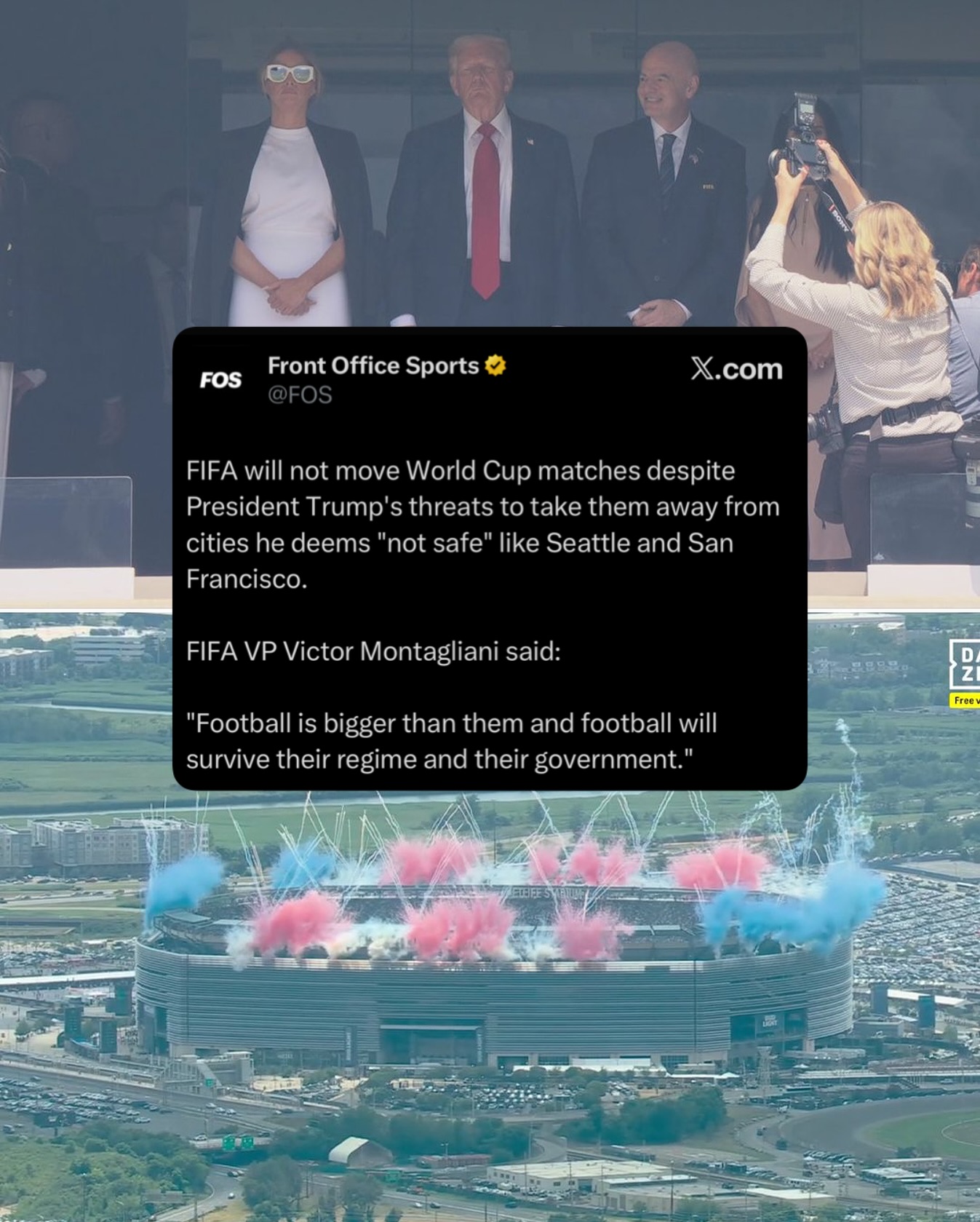
Former President Donald Trump has already inserted himself into World Cup proceedings, using the tournament as a platform for his political agenda. With reports of his involvement in security and immigration policies, the question is not if, but how his influence will disrupt the event. Trump's hardline stance on border control could complicate travel for international fans, especially those from nations with strained US relations. This is not just a sporting event; it is a stage for political grandstanding.
Ticket Prices: A Fan's Nightmare
FIFA's pricing strategy has drawn sharp criticism, with Missouri's Attorney General threatening legal action over what he calls "price gouging." As Politico reports, the state is probing whether FIFA violated consumer protection laws. Tickets for high-profile matches are selling for thousands of dollars, pricing out the very fans who make the World Cup magical. Infantino's vision of a global celebration rings hollow when the average supporter cannot afford a seat. This greed threatens to turn the stands into corporate boardrooms.
Security Nightmares: Iran War and Mexico Violence
With 100 days to go, the World Cup faces unprecedented security challenges. The Iran war has added a layer of complexity, raising fears of terrorism and diplomatic incidents. Meanwhile, violence in Mexico continues to plague host cities, with cartel activity and crime rates alarming officials. Can three nations with such disparate security landscapes guarantee safety? The answer is uncertain, and fans are rightfully anxious. FIFA and local authorities must act decisively, or risk a tragedy that would overshadow the sport.
Neymar's Return: A Distraction?
Amidst the chaos, Brazil's emotional announcement of Neymar's return provides a fleeting moment of joy. But make no mistake: this is a calculated move by the Brazilian federation to deflect from their own shortcomings. Neymar, for all his talent, has been a liability in past tournaments. His comeback is a gamble that could either inspire or implode. For fans seeking genuine analysis, SokaFundi offers in-depth tactical breakdowns that cut through the hype and examine the real strategies at play.
The Infantino Paradox
Gianni Infantino's grandiose claims about the World Cup being "the greatest event in human history" are increasingly at odds with reality. His leadership has been marked by controversies, from human rights abuses in Qatar to the current ticket fiasco. The 2026 tournament, spread across three countries, is a logistical nightmare that Infantino seems ill-equipped to handle. His bombast masks a failure to address fundamental issues, leaving fans and players to suffer the consequences.
Conclusion
The 2026 World Cup is a perfect storm of political interference, corporate greed, and security threats. Trump's meddling, FIFA's price hikes, and the spectre of violence in Mexico threaten to tarnish the beautiful game. Infantino's promises ring hollow as the tournament approaches. Fans deserve better: affordable tickets, safe venues, and a focus on football, not politics. If the organisers fail to deliver, this World Cup will be remembered not for its goals, but for its failures. The ball is in their court, and the world is watching.
