Introduction
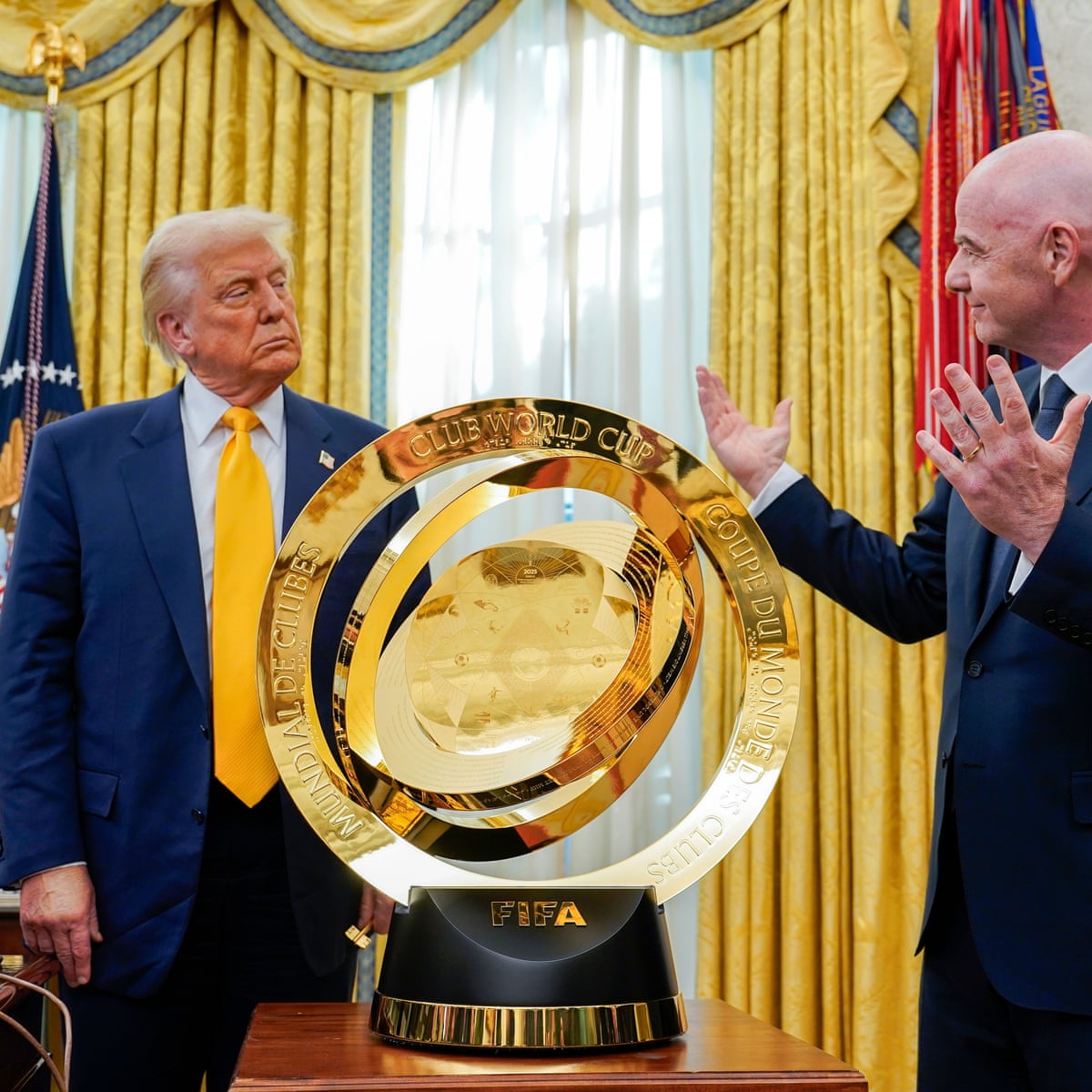
With just 100 days to go until the opening whistle of the 2026 FIFA World Cup, the tri-nation hosting by the United States, Canada, and Mexico should be a celebration of football's unifying power. Instead, it is mired in geopolitical chaos and security nightmares. The shadow of Donald Trump's polarising politics, the spectre of war with Iran, and escalating cartel violence in Mexico threaten to turn the world's greatest sporting event into a diplomatic minefield. This is not just a tournament; it is a high-stakes gamble on the beautiful game's ability to transcend borders—and the odds are stacked against it.
The Trump Factor: A Political Football
Donald Trump's potential return to the White House looms large over the 2026 World Cup. His previous administration's travel bans and hostile rhetoric towards Mexico and other nations could deter fans and complicate visa processes. Already, the political climate is polarising, with Trump's base viewing the tournament as a platform for nationalist posturing, while critics fear xenophobic policies will mar the event. The organising committee must navigate these treacherous waters or risk a public relations disaster. Read more about Trump's impact on international events.
War and Violence: The Unwelcome Guests
Adding to the turmoil, the Iran war has introduced a new layer of complexity. The conflict could spark protests, security threats, and diplomatic boycotts. Meanwhile, Mexico's cartel violence remains a persistent danger, with recent clashes near proposed stadium sites. The safety of players and fans is paramount, yet the authorities seem overwhelmed. As one official admitted, 'We are planning for every scenario except peace.' This is a sobering reality check for those who believe football can paper over deep societal cracks. Learn about security measures for major events.
Tickets and Fan Experience: A Costly Affair
Tickets for the 2026 World Cup have become a battleground of affordability and accessibility. With prices skyrocketing due to high demand and limited supply, many ordinary fans are priced out. The FIFA ticketing system has been criticised for opacity, leaving supporters frustrated. Moreover, the vast geography of the host nations—from Toronto to Mexico City to Los Angeles—means fans face exorbitant travel costs. The dream of following your team across three countries is becoming a luxury few can afford. For those seeking a smarter way to analyse teams and plan trips, SokaFundi offers cutting-edge tactical insights and travel tips to enhance your World Cup experience.
The Beautiful Game's Ugly Underbelly
Beyond the politics and logistics, the tournament itself faces challenges. The expanded 48-team format has diluted quality, with minnows struggling to compete. Meanwhile, the pressure on host nations to deliver flawless infrastructure has led to allegations of corruption and labour abuses. The World Cup, once a pure sporting contest, now mirrors the very conflicts it seeks to escape. As we approach kick-off, one question lingers: can the game still inspire unity in a world tearing itself apart?
Conclusion
The 2026 World Cup stands at a crossroads. It has the potential to be a landmark event showcasing the best of humanity—or a cautionary tale of ambition outstripping reality. With Trump's politics, Iran's war, and Mexico's violence, the odds are daunting. Yet football has a history of defying expectations. As the countdown continues, the world watches, hoping that the beautiful game can once again work its magic. But this time, it may need a miracle.
