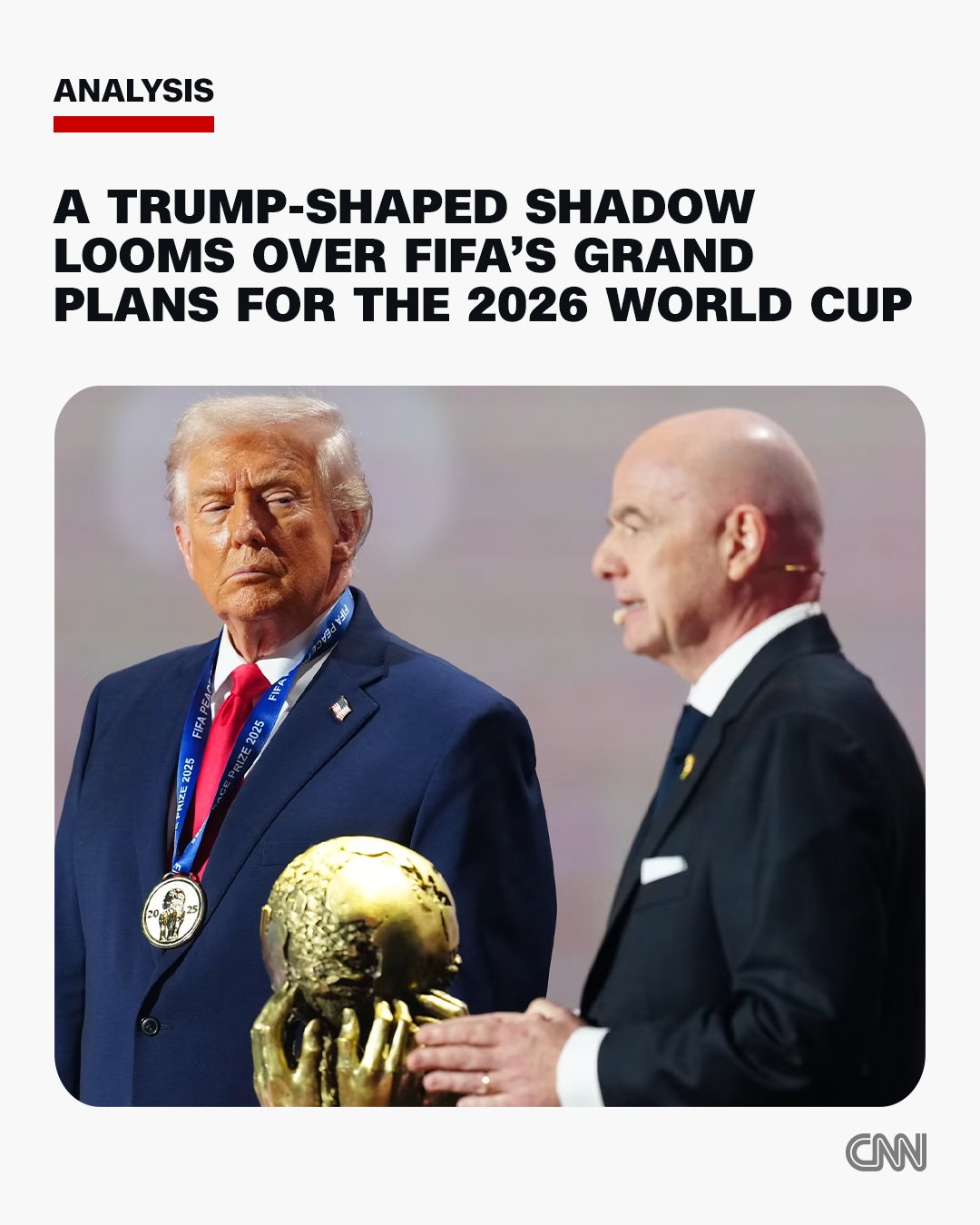
The countdown to the 2026 World Cup, co-hosted by the United States, Canada, and Mexico, has entered its final, feverish phase. Yet, for millions of fans, the dream of attending football's greatest spectacle is tinged with anxiety and resentment. From visa bond waivers to political grandstanding, the build-up has been anything but straightforward. This article delves into the latest developments, capturing the raw emotions of supporters caught in the crossfire of policy and passion.
Visa Relief Offers Hope, But Anger Lingers
In a significant move, the Trump administration has waived visa bonds of up to $15,000 for World Cup ticket holders, a policy that had threatened to price out many international fans. As reported by Al Jazeera, the bond programme was intended to ensure visitors returned home, but it sparked outrage for its prohibitive costs. The waiver has been welcomed as a lifeline, yet for many, it feels like a grudging concession rather than a warm embrace. The BBC captured the sentiment of fans who feel this is 'a World Cup for them, not us,' highlighting the deep mistrust sown by travel bans and visa restrictions. The emotional whiplash is palpable: relief mixed with bitterness.
The Trump Factor: Politics Overshadows Football
President Trump's involvement has been a constant undercurrent. From his press conferences pushing surveillance laws to his administration's hardline immigration stance, the political climate has seeped into the tournament's narrative. Sky Sports' live blog noted Tuchel's frustration with photographers, a trivial incident, but it mirrors a broader tension. Fans in Los Angeles, as the BBC reports, are 'crazy for a goal,' but their excitement is dampened by the sense that their government sees them as potential overstayers rather than guests. The World Cup should unite, but here it exposes divisions.
Tickets, Travel, and the Real Cost of Fandom
Securing tickets has been a battlefield, with demand far outstripping supply. But the real cost for many is not just financial—it's the emotional toll of navigating a labyrinthine visa system. For fans from qualifying nations like Iraq, the joy of qualification was swiftly followed by the dread of entry barriers. The visa bond waiver is a step forward, but it does not erase the months of uncertainty. As one fan told the BBC, 'We just want to support our team, not fight a bureaucracy.' The universal language of football is being drowned out by the noise of politics.
Conclusion
As the world gears up for the 2026 World Cup, the road has been rocky. The waiver of visa bonds offers a glimmer of hope, but the underlying anger and suspicion remain. For the true fan, football is an escape, yet here it has become a mirror reflecting societal tensions. The beautiful game will go on, but its spirit is being tested. Perhaps, when the first goal is scored, the joy will transcend the off-field battles. Until then, the fans wait, hopeful but wary.
For deeper insights into how politics shapes football, check out SokaFundi's analysis. And for more on fan experiences, read this external report on fan anger and the visa waiver announcement.
