Introduction
The Council for East and Central Africa Football Associations (CECAFA) has expanded its U-17 Women’s Championship to eight teams with the addition of Zanzibar, a decision that fundamentally alters the tactical landscape of the regional youth tournament. Scheduled for Dar es Salaam, Tanzania, from June 13 to 23, the championship now features two groups of four, intensifying the need for managers to adapt their systems to a more congested and unpredictable fixture list. This expansion not only increases the volume of matches but also introduces new tactical variables—particularly in pressing structures and numerical superiority in midfield—that will test the adaptability of each side.
In Possession: Building from the Back
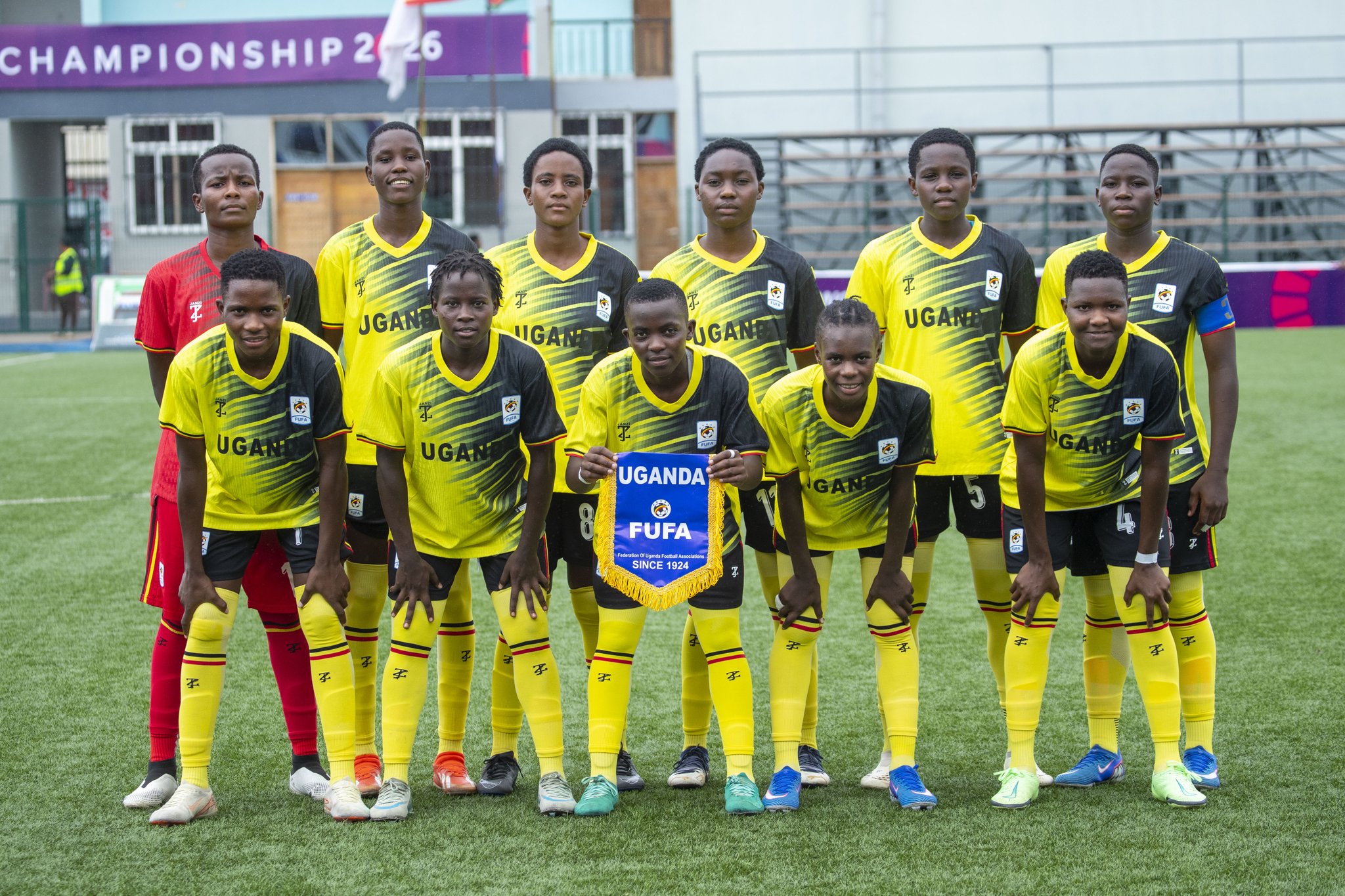
With Zanzibar entering the fray, teams must now reckon with an opponent that, despite limited international experience, demonstrated defensive organisation in their opening 1–0 loss to South Sudan. In possession, expect Uganda—drawn in Group B alongside South Sudan, Zanzibar, and Djibouti—to rely on a 4-3-3 shape that prioritises wide overloads. The full-backs will push high to create 3v2 situations on the flanks, while the central midfield pivot drops between the centre-backs to form a temporary back-three, offering numerical superiority against Zanzibar’s likely 4-4-2 mid-block. This approach mirrors the tactical flexibility seen in senior CECAFA competitions, as detailed in CECAFA’s official analysis.
Out of Possession: Pressing Triggers and Compactness
Defensively, the expanded tournament demands a more sophisticated pressing strategy. South Sudan’s narrow 1-0 victory over Zanzibar highlighted the effectiveness of a mid-block that collapses centrally, forcing Zanzibar’s wide players into isolated 1v1 duels. The pressing trigger for South Sudan was the opponent’s goalkeeper distribution to the full-back; upon that pass, the winger and central midfielder would engage, creating a 3v2 overload in the wide zone. This pattern will likely be replicated by Uganda, who favour a 4-4-2 block that transitions into a 4-2-3-1 when pressing high. The key is to deny Zanzibar’s central progression, a lesson reinforced by the controversy surrounding Kenya’s protest over a 16-0 result, which underscores the importance of maintaining defensive discipline even against weaker sides (see Eastleigh Voice report).
Tactical Adaptations for the Group Stage
The eight-team format forces managers to rotate squads and adjust systems between matches. For instance, Djibouti’s likely 5-3-2 low block will require Uganda to use their full-backs as auxiliary attackers, while Zanzibar’s 4-1-4-1 structure demands that South Sudan’s double pivot screen effectively to prevent counter-attacks. Coaches who can seamlessly shift between a high press against Djibouti and a mid-block against Zanzibar will gain a decisive edge. This is where data-driven insights become invaluable; platforms like SokaFundi offer real-time analysis of pressing efficiency and passing networks, enabling tactical refinements between games. Check out SokaFundi’s tactical tools to see how modern analytics can shape youth development.
Conclusion
Zanzibar’s addition to the CECAFA U-17 Women’s Championship is more than a mere expansion—it is a tactical recalibration. The eight-team format increases the premium on squad depth, pressing organisation, and in-game adaptability. As Uganda, South Sudan, and others vie for supremacy, the managers who successfully implement flexible systems—whether in possession or out of it—will likely advance. The tournament promises to be a crucible for emerging talent, with tactical lessons that will echo through the region’s footballing future.
